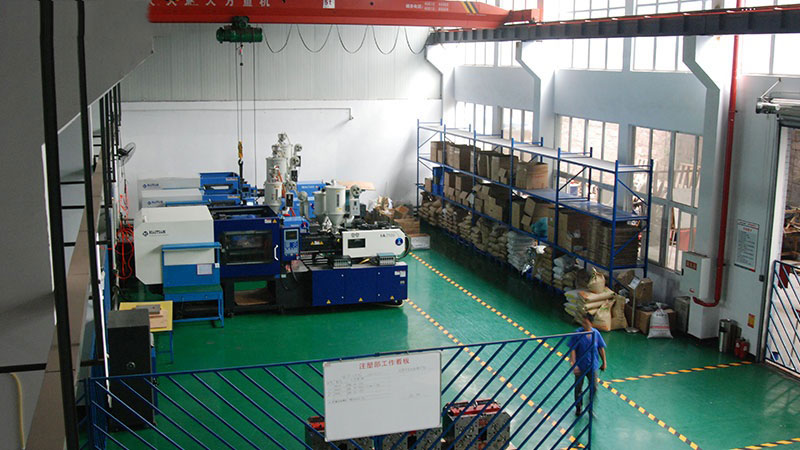
For product developers and manufacturing managers worldwide, sourcing precision tooling is a critical step in bringing innovative designs to market efficiently and cost-effectively. China has long been the global epicenter for mold manufacturing, offering an unparalleled combination of technical expertise, advanced capabilities, and competitive pricing. However, the process of importing molds from China involves navigating a complex landscape of suppliers, quality standards, and logistical challenges. This comprehensive 2026 guide is designed to demystify the procurement journey, providing overseas buyers with actionable, professional strategies to secure high-quality tooling that meets exact specifications, timelines, and budgetary requirements.
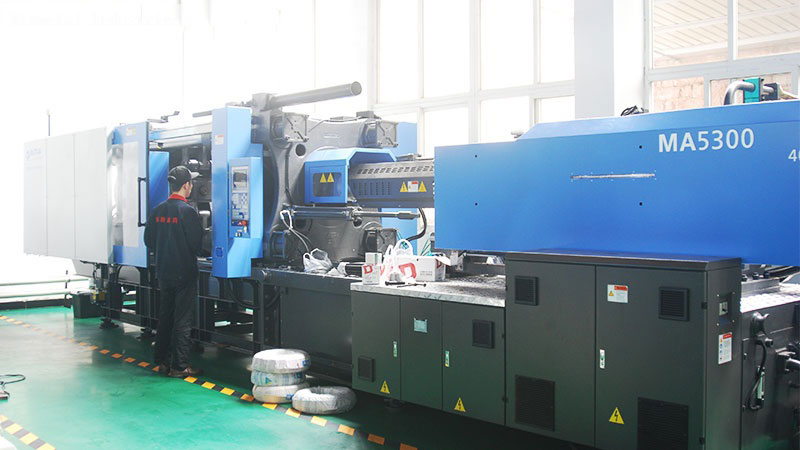
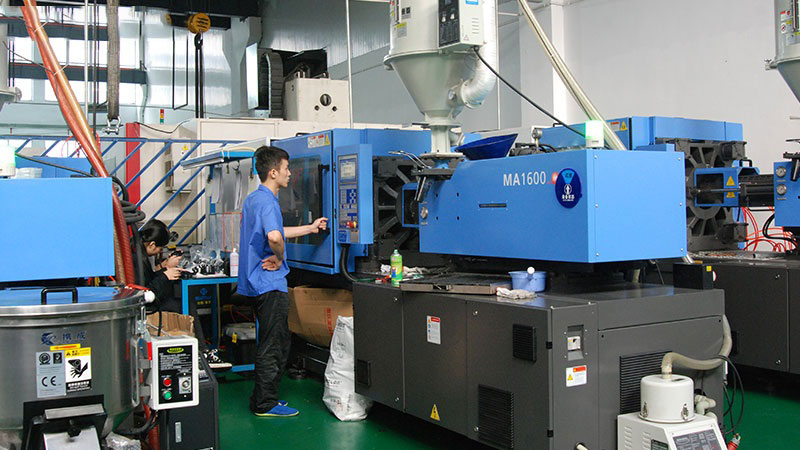
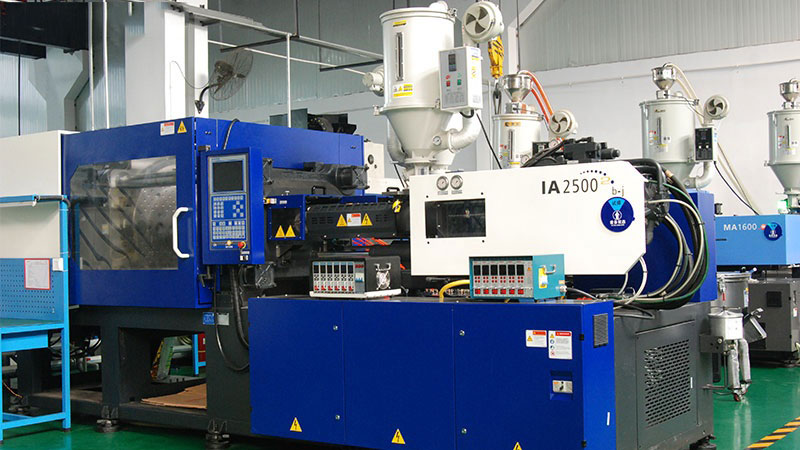
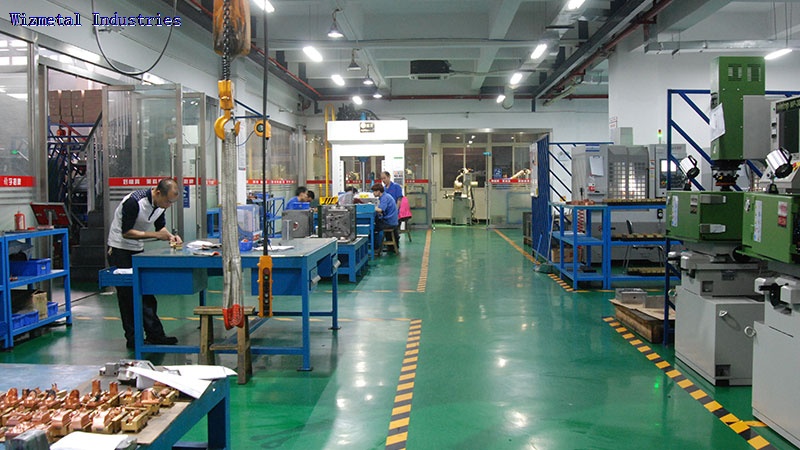
The cornerstone of a successful project lies in selecting the right China mold factory. Moving beyond simple online directories is crucial in the current market. Begin with a detailed Request for Quotation (RFQ) package that includes not only part drawings but also material specifications, expected annual volumes, cavity requirements, and target part cost. This precision filters out incapable suppliers immediately. In 2026, prioritize factories with demonstrable experience in your specific industry, whether automotive, medical, consumer electronics, or packaging. Utilize video conferencing for virtual facility tours, paying close attention to their machinery park—look for modern CNC, EDM, and high-speed milling equipment. A critical yet often overlooked step is supplier verification. Request and contact references from their existing overseas clients. Furthermore, verify business licenses and consider using third-party inspection services for an initial background check. This due diligence mitigates the primary risk of engaging with an unqualified partner.
Once a potential partner is identified, the technical and commercial negotiation phase begins. Clear communication of every technical detail is paramount. For an injection mold, this includes discussing mold flow analysis (MFA) reports, cooling channel design, gate type and location, ejection mechanisms, and steel grade selection. Insist on a formalized development timeline with clear milestones for design approval, T1 sample delivery, and final acceptance. The commercial contract must be exhaustive. It should itemize all costs—mold cost, sample cost, shipping, and duties—and explicitly state payment terms, typically a staggered schedule (e.g., 30% down payment, 40% after design approval, 30% after sample approval). Crucially, define ownership of the mold design and the physical tooling. Include clauses for liability in case of delays, non-conformance to specifications, and the protocol for handling engineering change requests (ECRs) after the initial design freeze.
Proactive quality control cannot be an afterthought; it must be integrated into every stage of the manufacturing process. Do not wait until the final sample inspection to discover critical flaws. Instead, implement a multi-stage inspection protocol. Key inspection points include a pre-production check of the raw mold steel material certificates, an in-process inspection of the finished mold cavity and core (often using CMM reports), and a first-article inspection (FAI) of the T1 samples from the injection mold. For overseas buyers, partnering with a local third-party quality inspection firm provides invaluable on-the-ground oversight. These professionals can conduct audits, perform measurements, and validate sample functionality against your provided checklists. This objective layer of scrutiny ensures the tooling meets international standards and your specific performance criteria before shipment, preventing costly rework and production delays.
The final stage involves logistics, customs, and post-delivery support. Incoterms 2020 should be clearly understood and agreed upon; commonly, FOB (Free On Board) or EXW (Ex Works) are used when you import mold from China. For EXW terms, you will need to arrange a freight forwarder experienced in handling industrial machinery. Ensure the China mold factory provides a detailed packing list, commercial invoice, and the harmonized system (HS) code for customs declaration in your country. Proper crating is essential to protect the precision tooling during transit. Upon arrival, a thorough inspection should be conducted before signing off on delivery. Finally, discuss and formalize post-sales support. A reliable supplier will offer a warranty period for workmanship and materials, typically 12-18 months, and commit to providing maintenance, spare parts, and technical documentation like 2D drawings and 3D CAD files for future reference.
Successfully navigating the process to import mold from China is a strategic endeavor that balances cost savings with rigorous quality assurance. The landscape in 2026 demands a professional, methodical approach centered on thorough supplier verification, crystal-clear technical communication, embedded quality control checkpoints, and meticulous logistical planning. By viewing your chosen China mold factory as a long-term technical partner rather than just a vendor, you build a foundation for not only a single successful project but for a streamlined supply chain capable of supporting product evolution and future innovation. With this complete procurement guide, overseas buyers are equipped to make informed decisions, mitigate risks, and unlock the significant advantages of Chinese mold manufacturing with confidence and clarity.
Work With Us
As a professional China mold manufacturer, we provide one-stop mold solution for overseas buyers.
📞 Phone: +86-18605944639
💬 WhatsApp: +8618605944639
🌐 Website: bestmoldworks.com
📧 Email: [email protected]