Blog

  • custom plastic mold Manufacturerturer near me: Expert T 2026

    For overseas buyers, the search for a “custom plastic mold manufacturer near me” often concludes not with a local factory, but with the realization that China offers the optimal blend of technical capability, cost efficiency, and scalability. However, navigating the vast landscape of Chinese manufacturing presents distinct challenges. This guide provides expert, actionable strategies for 2026, designed to help you procure high-quality injection molds from China with confidence and precision, transforming a complex international process into a streamlined and successful partnership.

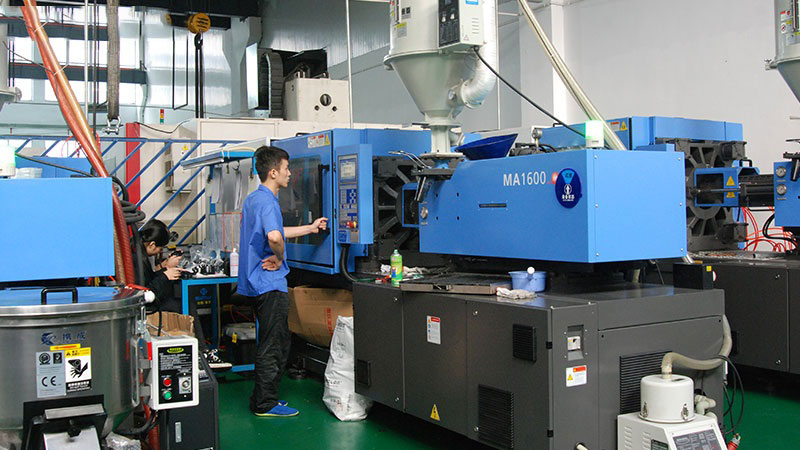
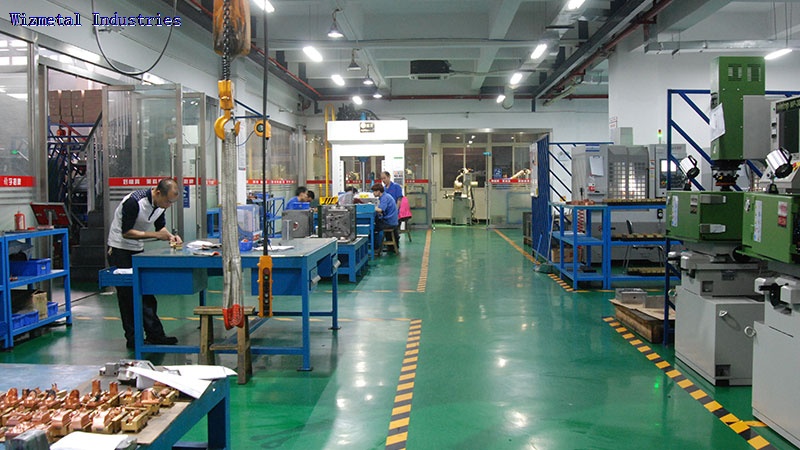
    The initial search phase is critical. Moving beyond simple online directories is essential. Begin by leveraging industry-specific B2B platforms, but with a strategic filter: prioritize suppliers with verified transaction records and detailed factory audits. When you identify a potential China mold factory, your first step is supplier verification. Request a virtual tour; a reputable manufacturer will readily conduct a live video walkthrough of their facility. Observe the machinery—are they using modern CNC, EDM, and high-speed milling equipment? Assess the workshop organization and in-process quality checks. Simultaneously, scrutinize their portfolio for projects similar in complexity, material, and industry to yours. This dual approach of live verification and portfolio analysis separates credible partners from mere trading companies.

    Once potential partners are shortlisted, mastering the technical and commercial discussion is your next hurdle. The cornerstone of a successful project is a meticulously detailed Request for Quotation (RFQ). For your custom plastic injection mold, this must include not just part drawings, but material specifications, expected annual volumes, cavity requirements, and surface finish standards. Be explicit about your tolerance expectations and critical-to-quality dimensions. During negotiations, focus on total cost of ownership, not just the mold price. Discuss payment terms that protect both parties—a common structure is 50% deposit, 40% upon pre-shipment approval, and 10% after successful trial. Clarify ownership of mold design and tooling intellectual property from the outset. This professional, detailed approach sets clear expectations and minimizes costly misunderstandings later.

    The phase where many offshore procurement projects falter is quality control, which must be proactive, not reactive. Insist on a staged inspection protocol managed by a third-party or your own trusted agent. The First Article Inspection (FAI) after initial sampling is non-negotiable. This involves a comprehensive dimensional report against your CAD drawings. Furthermore, mandate a Trial Run Report with video evidence, showing the mold producing parts under stable cycle conditions. Before shipment, a Pre-Shipment Inspection (PSI) should verify the mold’s workmanship, completeness of spare parts, and documentation. Establish clear Acceptable Quality Level (AQL) standards for the initial production parts from the mold. This layered QC process mitigates the risk of receiving a non-conforming tool, ensuring the China mold factory delivers precisely what was ordered.

    Building a relationship with your chosen custom plastic mold manufacturer near me—or more accurately, your strategic partner in China—is an investment in future success. View this not as a single transaction but as a long-term collaboration. Consistent communication through established channels like WeChat or professional project management tools is vital. Consider starting with a smaller, less complex mold to evaluate performance before committing to larger projects. A reliable partner will demonstrate continuous improvement, offer constructive design for manufacturability feedback, and provide transparent post-sales support for mold maintenance and modifications. This partnership mindset transforms your supplier into an extension of your own production team, creating significant competitive advantage.

    In conclusion, the quest for a reliable custom plastic mold manufacturer near me in 2026 is fundamentally about smart, informed global procurement. By excelling in supplier verification, crafting precise technical communications, implementing rigorous staged quality control, and fostering a partnership ethos, you can leverage China’s manufacturing excellence while maintaining stringent standards. The geographic distance becomes irrelevant when replaced by procedural closeness and professional diligence. Embrace these expert strategies to secure a high-quality injection mold that delivers performance, durability, and value, driving the success of your plastic component production for years to come.

    Work With Us

    As a professional China mold manufacturer, we provide one-stop mold solution for overseas buyers.
    📞 Phone: +86-18605944639
    💬 WhatsApp: +8618605944639
    🌐 Website: bestmoldworks.com
    📧 Email: [email protected]
  • precision mold: Reliable Manufacturers Guide 2026 | China Mold Factory

    For overseas buyers, sourcing a high-quality precision mold is a critical investment that directly impacts product quality, time-to-market, and overall manufacturing costs. China remains the global epicenter for mold manufacturing, offering an unparalleled combination of technical expertise, advanced capabilities, and competitive pricing. However, navigating the vast landscape of suppliers to find a truly reliable China mold factory requires a strategic and informed approach. This guide for 2026 cuts through the noise to provide you with actionable, professional strategies for a successful procurement journey, ensuring your project’s specifications are met with exacting standards.

    The cornerstone of a successful import project begins with meticulous supplier verification. Moving beyond basic website reviews and Alibaba storefronts is non-negotiable for precision tooling. Start by conducting a deep-dive technical audit. Request detailed case studies that match your industry and complexity, whether it’s a multi-cavity injection mold for medical components or a large-scale automotive part. Insist on a live video tour of the factory floor. A reputable China mold factory will readily showcase their CNC machining centers, EDM equipment, and coordinate measuring machines (CMM). Pay close attention to their mold trial process and quality control stations. Furthermore, verify business licenses and export credentials, and utilize third-party verification services to check for any red flags in their commercial history. This initial due diligence filters out traders and under-equipped workshops, saving significant time and risk.

    Once a shortlist of potential partners is established, the focus must shift to a crystal-clear technical and commercial dialogue. The procurement phase for an injection mold is where ambiguity leads to cost overruns and delays. Develop a comprehensive Request for Quotation (RFQ) package that goes beyond part drawings. Include material specifications for both the mold (e.g., P20, H13, stainless steel) and the intended production plastic, expected annual volumes, cycle time targets, and cosmetic requirements (SPI finish standards). Be explicit about deliverables: how many 3D design revisions are included, the format for design approvals (e.g., DFM report), and the specifics of the mold trial report (T1 sample data). Discuss payment terms that protect both parties; a common and balanced structure might be 40% deposit, 40% upon pre-shipment approval of sample parts, and 20% after final delivery. Clearly defining these elements in a formal purchase order prevents misunderstandings.

    Implementing a robust, multi-stage quality control protocol is what separates successful imports from costly failures. For a precision mold, QC cannot be an afterthought reserved for the final sample inspection. Advocate for a process-embedded approach. First, require a Design for Manufacturability (DFM) analysis before steel is cut. This collaborative review identifies potential manufacturing issues early. Second, insist on in-process inspection reports, such as CMM results for critical mold cores and cavities. Third, the most critical phase is the mold trial (T1) evaluation. Do not accept samples shipped without comprehensive data. A professional factory will provide a trial report detailing machine parameters, cycle times, and measurements of critical dimensions on the molded parts. For high-value projects, consider hiring a local third-party inspection agency to witness the final trial and audit the dimensional report against your CAD data. This proactive stance on quality control ensures the tool arrives production-ready.

    Building a sustainable partnership with your chosen China mold factory is a strategic asset for 2026 and beyond. View your initial mold procurement not as a one-time transaction but as the foundation for a long-term manufacturing relationship. A reliable partner invested in your success will provide superior support during the warranty period and for future maintenance and modifications. Foster this relationship through clear, consistent communication, potentially using a dedicated project manager on both sides. Consider discussing future project pipelines; this can incentivize the supplier to prioritize your work and offer more favorable terms. Understanding cultural nuances, such as the importance of face-to-face meetings (even virtually) and respectful negotiation, also strengthens collaboration. A factory that sees you as a long-term partner is more likely to go the extra mile in engineering solutions and proactive problem-solving.

    Successfully importing a precision mold from China in 2026 demands a blend of rigorous verification, unambiguous communication, and hands-on quality management. The landscape is competitive, but by focusing on manufacturers with transparent technical capabilities, enforcing a detailed procurement process, and implementing staged quality control checks, you mitigate the inherent risks of overseas sourcing. The goal is to move beyond simply finding a supplier to cultivating a true partnership with a China mold factory that aligns with your standards for precision and reliability. By applying this professional guide, you position your project for a smooth execution, securing a high-quality injection mold that delivers consistent performance and a strong return on investment for years to come.

    Work With Us

    As a professional China mold manufacturer, we provide one-stop mold solution for overseas buyers.
    📞 Phone: +86-18605944639
    💬 WhatsApp: +8618605944639
    🌐 Website: bestmoldworks.com
    📧 Email: [email protected]
  • China mold Manufacturerturer: Expert Tips & Solutions 2026

    For overseas buyers, sourcing precision tooling from a China mold manufacturer represents a significant opportunity for cost efficiency and advanced manufacturing capability. However, navigating this complex landscape requires more than just finding the lowest quote. The journey from initial concept to receiving a flawless, production-ready mold involves nuanced challenges in communication, quality assurance, and logistics. This guide provides actionable, expert-level tips and solutions for 2026, designed to help you mitigate risks, establish fruitful partnerships, and ensure your procurement process is as seamless and successful as possible.

    The foundation of a successful import project lies in meticulous supplier verification. Moving beyond Alibaba listings is crucial. Start by conducting a deep-dive analysis of potential China mold factory candidates. Request detailed company profiles that include years in operation, machinery lists with brands and models, and case studies relevant to your industry. Utilize video conferencing tools to request real-time virtual factory tours; observing the workshop floor, the state of equipment, and technician workflows offers invaluable insights no brochure can provide. Crucially, verify business licenses and, for higher-value projects, consider third-party verification services to confirm operational scale and legitimacy. This initial diligence filters out trading companies masquerading as manufacturers and aligns you with partners possessing the genuine technical capability for your specific injection mold or tooling needs.

    Once a shortlist is established, mastering technical communication becomes your next critical step. Ambiguity in specifications is the primary cause of mold defects and project delays. Develop a comprehensive and unambiguous Request for Quotation document. This should include not just part drawings, but a full technical data pack: 3D CAD models, material specifications, expected annual volumes, cavity requirements, surface finish standards, and tolerance expectations. Clearly define the mold base standard and componentry. For complex projects, insist on a Design for Manufacturability review where the manufacturer’s engineers provide feedback to optimize the mold design for durability and cost-effective production. This collaborative approach ensures both parties share a unified vision before a single block of steel is cut, preventing costly revisions later.

    Implementing a robust, multi-stage quality control protocol is non-negotiable. Relying solely on final inspection is a high-risk strategy. Instead, integrate QC checkpoints at critical milestones. Key stages include a First Article Inspection after the mold trial, where sample parts are measured against all critical dimensions. For high-precision injection mold projects, mandate a pre-shipment inspection that includes checking mold hardness, cavity polish, cooling line pressure tests, and a documented trial run with video evidence. Many reputable manufacturers are open to third-party inspection services like SGS or Bureau Veritas upon buyer request. Clearly define acceptance criteria and Key Performance Indicators for the mold’s performance in your purchase contract. This proactive stance transforms quality from an expectation into a verifiable, managed process.

    Understanding and negotiating the commercial and logistical terms with clarity protects your investment. Scrutinize the quotation breakdown: does it include mold design, trial runs, sample parts, and standard spare parts? What are the payment terms? A common and balanced structure is 30-40% deposit, 40-50% after approval of sample parts, and the balance before shipment. Ensure Incoterms 2020 are explicitly stated to delineate responsibility for costs and risks during shipping. Discuss intellectual property protection by including a confidentiality clause in your contract. For logistics, work with the manufacturer to determine the optimal shipping method—air freight for urgency, sea freight for cost-effectiveness on large molds. Ensure they have experience in proper mold packaging for international transit to prevent corrosion and damage.

    The landscape of manufacturing is evolving, and your chosen partner should be evolving with it. In 2026, evaluating a potential China mold manufacturer requires an eye on their technological adoption and commitment to sustainability. Inquire about their capabilities in advanced manufacturing techniques like conformal cooling for injection molds, which significantly reduces cycle times. Assess their use of simulation software for mold flow analysis to predict and prevent filling issues. Furthermore, environmental compliance is increasingly important; manufacturers with ISO 14001 certification demonstrate a structured approach to environmental management. Partnering with a forward-thinking factory not only future-proofs your supply chain but also often correlates with higher overall standards in process management and product quality.

    Importing molds from China remains a strategically sound decision for global businesses seeking competitive advantage. The path to success is built on systematic procurement practices: rigorous supplier verification, crystal-clear technical communication, staged quality control, and transparent commercial agreements. By applying these expert tips and solutions, you transform from a passive buyer into an informed partner. The goal is to build a relationship with a China mold manufacturer that is based on mutual understanding and professional respect, ensuring that each project delivers not just a tool, but a reliable foundation for your production success for years to come.

    Work With Us

    As a professional China mold manufacturer, we provide one-stop mold solution for overseas buyers.
    📞 Phone: +86-18605944639
    💬 WhatsApp: +8618605944639
    🌐 Website: bestmoldworks.com
    📧 Email: [email protected]
  • China mould Manufacturerturer: Complete Procurement Gu 2026

    For global businesses, sourcing precision tooling from China remains a cornerstone strategy for achieving cost efficiency and scaling production. However, navigating the landscape of Chinese mold manufacturing can be complex, with challenges ranging from supplier verification to consistent quality assurance. As we move into 2026, the procurement process has evolved, demanding more sophisticated approaches from overseas buyers. This guide is designed to cut through the noise and provide you with actionable, professional strategies to successfully partner with a reliable China mould manufacturer, ensuring your project’s success from quotation to final shipment.

    Mastering Supplier Verification and Selection

    The foundation of a successful import project is a thoroughly vetted supplier. Moving beyond simple Alibaba searches is crucial for 2026. Begin by identifying a China mold factory with demonstrable expertise in your specific niche, whether it be automotive-grade injection molds, high-volume consumer goods, or precision medical components. Scrutinize their portfolio for projects comparable in complexity and material to yours. Essential due diligence steps now include virtual factory tours via video call, requesting detailed machine lists (focusing on CNC, EDM, and mold testing equipment), and verifying international quality certifications like IATF 16949 for automotive or ISO 13485 for medical devices. Furthermore, insist on speaking directly with their project engineering team to assess technical communication fluency. A professional China mould manufacturer will be transparent and proactive in this phase, viewing it as a partnership qualification rather than an intrusion.

    Streamlining Technical Communication and RFQ Process

    Ambiguity in technical specifications is the primary cause of delays, cost overruns, and quality failures. To mitigate this, your Request for Quotation (RFQ) package must be impeccable. Beyond 2D drawings, provide fully detailed 3D CAD models (STEP or IGS format) and a comprehensive specification document. This document should explicitly state critical factors: intended resin material, annual production volume, expected mold life (number of shots), part cosmetic requirements (SPI finish standards), tolerance levels, and gate preferences. When discussing with potential suppliers, clarify who will be responsible for mold flow analysis (MFA). A competent China mold factory will often perform and include a basic MFA in their proposal to identify potential filling or warpage issues early. This step transforms the procurement dialogue from a simple price negotiation into a collaborative technical review, aligning expectations before any steel is cut.

    Implementing Robust Stage-Gate Quality Control

    Passive hope is not a quality strategy. Implementing a structured, stage-gate inspection protocol is non-negotiable. Your agreement should mandate documented quality checkpoints with photographic and video evidence. Key stages typically include: material certification for the mold base and core steel, first article inspection after machining of the core and cavity, a pre-assembly check of all components, and most critically, a Trial Run Report (TMR). The TMR is essential. It should include video of the mold running in the press, data on cycle times, and samples of the produced parts from the trial shot. For high-value projects, engaging a local third-party quality inspection firm to conduct an on-site audit during the Final Sample Approval (FSA) stage is a wise investment. This proactive quality control framework ensures issues are identified and resolved in China, preventing costly surprises upon arrival at your facility.

    Navigating Logistics, IP Protection, and After-Sales

    The final hurdles in procurement involve securing your investment and ensuring its smooth arrival. Intellectual Property (IP) protection, while a common concern, can be effectively managed. Work with your legal counsel to draft a robust Non-Disclosure Agreement (NDA) and Product Confidentiality Agreement (PCA) tailored to Chinese jurisdiction. Registering your design patents in China is also a strongly recommended step. For logistics, rely on your supplier’s expertise initially—a reputable China mould manufacturer will have experience in crating, exporting, and completing customs documentation for mold shipments. However, obtain a detailed packing list and commercial invoice to liaise with your chosen freight forwarder. Finally, explicitly discuss after-sales support. Terms should cover the warranty period (typically 12-24 months), responsibility for repair or modification costs, and the process for sourcing replacement spare parts like lifters or cooling components. Clarity here ensures a long-term, functional partnership.

    Conclusion

    Importing molds from China in 2026 is a process built on meticulous preparation, active collaboration, and structured oversight. The journey from identifying a potential China mold factory to receiving a production-ready tool is paved with detailed technical exchange, verified quality checkpoints, and clear contractual understandings. By adopting the professional procurement practices outlined in this guide—rigorous supplier verification, unambiguous communication, staged quality control, and thorough logistical planning—overseas buyers can significantly de-risk their projects. The goal is to transform a complex international procurement into a streamlined, predictable, and highly successful partnership with a skilled China mould manufacturer, driving your product’s competitiveness and your company’s growth for years to come.

    Work With Us

    As a professional China mold manufacturer, we provide one-stop mold solution for overseas buyers.
    📞 Phone: +86-18605944639
    💬 WhatsApp: +8618605944639
    🌐 Website: bestmoldworks.com
    📧 Email: [email protected]
  • Mold customization online: Expert Tips & Solutions 2026

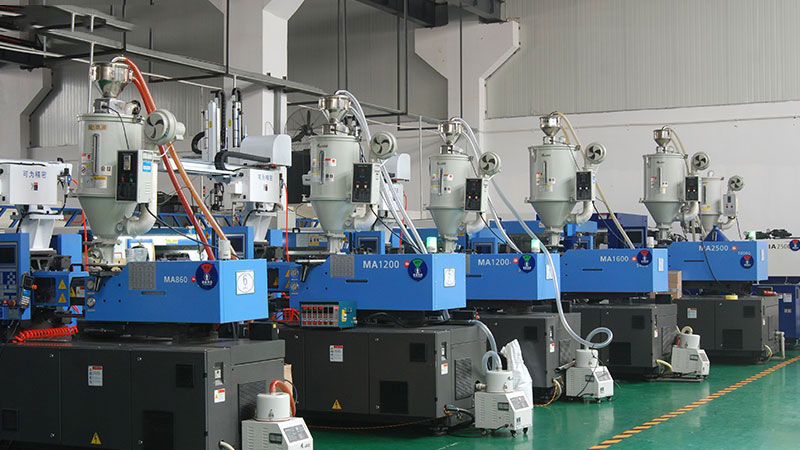
    For overseas buyers, the prospect of importing high-quality, cost-effective molds from China is a powerful driver for product development and manufacturing success. The digital landscape has transformed this process, moving much of the initial sourcing and specification online. However, navigating **mold customization online** presents unique challenges, from clear communication across time zones to ensuring physical quality matches digital promises. This guide provides expert, forward-looking tips and solutions for 2026, designed to help you procure with confidence and build profitable, long-term partnerships with a **China mold factory**.

    The core advantage of online mold procurement is direct access to specialized manufacturers and competitive pricing. Yet, the distance and digital medium amplify risks. Misunderstandings in design intent, material selection, or tolerance specifications can lead to costly rework and project delays. The key to success lies in a structured, vigilant approach that leverages digital tools while adhering to fundamental principles of engineering and quality assurance. This article will provide a actionable framework to transform your online **procurement** journey from a gamble into a streamlined, reliable process.

    **Mastering Digital Communication and Technical Documentation**

    The foundation of successful **mold customization online** is impeccable communication. Begin by preparing a comprehensive Request for Quotation (RFQ) package. This must extend beyond a simple 3D CAD file (typically in STEP or IGES format). Include a detailed technical specification document covering mold steel grade (e.g., P20, H13, S136), cavity surface finish (SPI standards), expected production volume, resin material, and critical part dimensions with tolerances. Create annotated 2D drawings highlighting must-meet features. Utilize video conferencing for kick-off meetings to discuss the project face-to-face, using screen-sharing to walk through the CAD model. This initial investment in clarity prevents exponential costs later.

    **Implementing a Rigorous Supplier Verification Protocol**

    Not all mold factories are created equal. **Supplier verification** is your most critical risk mitigation step. Move past Alibaba storefronts. Investigate the company’s business history using third-party platforms like Panjiva or ImportGenius. Request a virtual factory tour via live video call—insist on seeing the shop floor, measuring equipment (CMM), and mold trial machines. Ask for and contact references from existing overseas clients. Crucially, verify their core competency: a factory specializing in precision **injection mold** for medical devices may not be ideal for large automotive panels. In 2026, due diligence means validating digital claims with tangible evidence of capability and stability.

    **Structuring Contracts and Payments to Mitigate Risk**

    A professional procurement process demands a professional contract. Your purchase agreement should be explicit. It must define milestones, deliverables (including 3D mold design reviews), approval processes, and most importantly, a clear payment schedule tied to these milestones. A common and secure structure is 30-40% deposit, 40% upon approval of mold trial samples, and the balance after final inspection before shipping. Never pay 100% upfront. Specify ownership of all design files. Include clauses for handling delays, defects, and the process for corrective action. This legal framework protects both parties and sets clear expectations for the project lifecycle.

    **Enforcing Proactive and Multi-Stage Quality Control**

    Passive hope is not a strategy. **Quality control** must be proactive and integrated throughout the mold manufacturing process. Require the supplier to provide regular progress reports with photos or videos—evidence of steel machining, electrode burning, and assembly. The most critical phase is the First Article Inspection (FAI) after the mold trial. Do not rely on supplier-provided sample parts alone. Engage a reputable third-party inspection company located near the **China mold factory** to perform an on-site Trial Run Monitoring (TRM) and dimensional inspection of the parts using the approved drawing. They can verify part quality, mold functionality, and cycle time before the mold is shipped. This step, while an added cost, is invaluable insurance.

    **Planning for Logistics, Maintenance, and Long-Term Partnership**

    Successful delivery of the mold is not the end goal; it’s the start of your production run. Discuss incoterms (FOB is standard) and logistics planning early. Ensure the factory provides a complete mold manual with maintenance instructions, spare parts list, and assembly drawings. Consider ordering critical spare components (like cores and ejector pins) with the initial order. View a reliable mold supplier as a strategic partner. Their expertise in design for manufacturability (DFM) feedback during the initial phase can save significant cost. Nurturing this relationship facilitates future projects, faster turnarounds, and consistent quality, turning a transactional **procurement** into a competitive advantage.

    Conclusion

    Importing molds from China via online channels in 2026 demands a blend of digital savvy and traditional engineering diligence. The process is fully manageable for overseas buyers who adopt a systematic approach: communicating with surgical precision, verifying suppliers beyond their website, contracting with clarity, controlling quality at the source, and planning for the entire mold lifecycle. By implementing these expert tips and solutions, you transform the complexities of **mold customization online** into a reliable, efficient, and highly advantageous pillar of your supply chain. The goal is not just to buy a mold, but to secure a cornerstone for your product’s manufacturing success.

    Work With Us

    As a professional China mold manufacturer, we provide one-stop mold solution for overseas buyers.
    📞 Phone: +86-18605944639
    💬 WhatsApp: +8618605944639
    🌐 Website: bestmoldworks.com
    📧 Email: [email protected]
  • China plastic mold Manufacturerturer: Professional Buy 2026

    For overseas buyers, the decision to import plastic molds from China represents a significant strategic advantage, offering unparalleled value, advanced manufacturing capabilities, and scalable production. However, navigating this complex landscape to transition from a promising idea to a perfect, shipped product requires a methodical and professional approach. As we look toward 2026, the dynamics of global manufacturing continue to evolve, making informed procurement more critical than ever. This guide is designed to cut through the noise and provide you with actionable, professional strategies to successfully partner with a reliable China plastic mold manufacturer, ensuring your project’s success from the first drawing to final delivery.

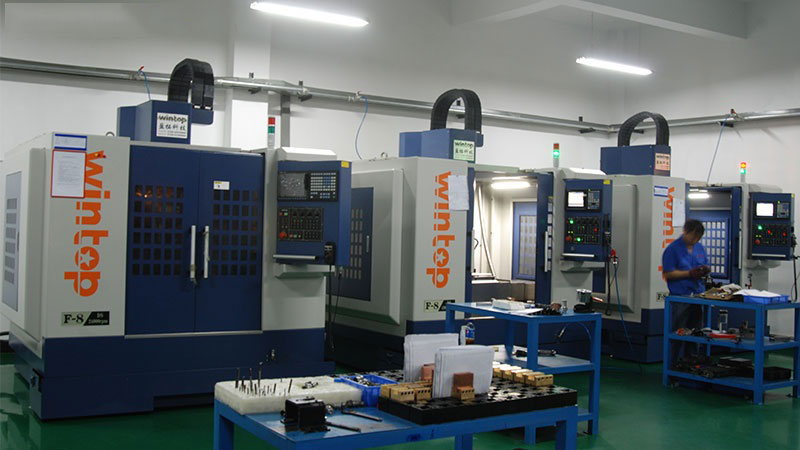
    The cornerstone of a successful import project is the meticulous verification of your potential China mold factory. In the digital age, a polished website is a given, not a differentiator. Begin your due diligence by verifying business licenses through official Chinese platforms and cross-referencing the company’s registered address with its operational facilities. For 2026, the standard practice must include a live video audit. Demand a real-time walkthrough of the workshop. Observe the machinery—are they using modern CNC, EDM, and high-speed milling equipment? Assess the shop floor organization and the skill level of technicians. Furthermore, insist on speaking directly with the project manager and lead engineer assigned to your account. Their technical fluency and communication skills are direct indicators of the partnership’s potential. This step moves you from a faceless inquiry to a verified, serious collaboration.

    Once a qualified supplier is shortlisted, mastering the technical and commercial dialogue is paramount. The most common point of failure is ambiguous communication. Provide a comprehensive and clear Request for Quotation (RFQ). This must include not just 3D drawings (STEP or IGS format) and 2D technical drawings with GD&T, but also detailed specifications: target material (e.g., ABS, PP, PC), expected annual volume, cosmetic requirements (texture, gloss level), and critical tolerances. When discussing the injection mold quote, understand the breakdown. A professional China plastic mold manufacturer will provide a transparent cost structure: mold base steel (e.g., LKM standard), cavity/core steel grade (e.g., P20, 718, S136), number of cavities, lifetime expectancy, and all ancillary costs. Clarify terms for T1 sample provision, mold modification cycles, and intellectual property protection in the contract. This clarity prevents costly misunderstandings and aligns expectations from the outset.

    Proactive and staged quality control is non-negotiable and cannot be an afterthought. The old model of inspecting only the final product is a recipe for delay and expense. Implement a phased QC protocol integrated into the production timeline. First, conduct a pre-production inspection (PPI) to verify that all raw steel materials and components match the agreed specifications. The most critical stage is the First Article Inspection (FAI) during the T1 sample trial. Either travel to the factory personally or hire a trusted third-party quality inspection agency to witness the trial. Check the samples against your master model and drawings, perform dimensional checks with CMM reports, and assess gate vestige, sink marks, and parting lines. For 2026, leveraging digital tools is key. Require high-resolution photos and videos of every inspection stage. This hands-on, evidence-based approach ensures issues are caught and resolved when they are least expensive to fix—at the source.

    The journey does not end with a perfect T1 sample. A professional partnership encompasses the entire lifecycle of your project. Discuss post-sales support explicitly. What are the terms for mold maintenance and repair? Will the China mold factory store your mold, and if so, under what conditions and cost? For injection molding production runs, ensure there is a clear protocol for ongoing production quality checks, including provision for Statistical Process Control (SPC) data if required. Furthermore, understand the logistics chain. A reliable partner should have experience in export packing—molds are heavy, precision instruments and must be crated securely for ocean freight. They should be able to assist with commercial invoice preparation, HS code classification, and shipping documentation, ensuring a smooth customs clearance process at your destination port.

    Importing plastic molds from China in 2026 demands a blend of traditional procurement wisdom and modern verification techniques. The path to success is built on systematic supplier verification, crystal-clear technical communication, embedded quality control processes, and a partnership view that extends beyond the initial sale. By adopting this professional framework, you transform the inherent challenges of overseas procurement into a structured, manageable, and highly rewarding endeavor. The right China plastic mold manufacturer is not just a vendor but a strategic extension of your engineering and production team, capable of delivering the quality and value that drives competitive advantage in the global market. Start your next project with this disciplined approach, and secure the precision, reliability, and partnership your business deserves.

    Work With Us

    As a professional China mold manufacturer, we provide one-stop mold solution for overseas buyers.
    📞 Phone: +86-18605944639
    💬 WhatsApp: +8618605944639
    🌐 Website: bestmoldworks.com
    📧 Email: [email protected]
  • custom plastic mold cost: Expert Tips & Solutions 2026

    For overseas buyers, navigating the landscape of custom plastic mold manufacturing in China presents a significant opportunity for cost efficiency and quality. However, the initial quoted price is just one variable in a complex equation. Understanding the true drivers behind custom plastic mold cost is essential for making informed procurement decisions, ensuring value, and avoiding costly pitfalls. This guide for 2026 provides expert insights and actionable solutions to help you secure a reliable, high-quality injection mold from a reputable China mold factory, turning a complex procurement challenge into a strategic advantage.

    The quoted price for a custom plastic mold is a synthesis of multiple factors. These include the complexity of the part design, the chosen mold steel (such as pre-hardened steel, stainless steel, or hardened tool steel), the number of cavities, surface finish requirements, and the anticipated production lifespan. Furthermore, secondary operations like texturing, T1 sample validation, and the manufacturer’s overhead and expertise level directly influence the final figure. A professional approach moves beyond simply hunting for the lowest bid and focuses on total cost of ownership, which includes mold longevity, maintenance, and the per-part piece price it will yield. The goal is to achieve an optimal balance where the custom plastic mold cost aligns with your project’s quality, timeline, and volume requirements.

    **Solution 1: Invest in Comprehensive Design for Manufacturability (DFM) Analysis**

    The most effective cost-control measure occurs before manufacturing begins. A thorough DFM analysis, conducted collaboratively with your chosen China mold factory, is non-negotiable. An expert engineer will scrutinize your 3D model to identify features that increase complexity and expense, such as undercuts, thin walls, or challenging tolerances. They can suggest subtle design modifications that dramatically simplify the injection mold structure without compromising part function. For instance, adjusting draft angles or radii can ease ejection and extend mold life. Investing in this upfront engineering service often results in a more robust, easier-to-maintain mold and prevents expensive redesigns and delays during the trial phase. View DFM not as an added cost but as a crucial investment that optimizes the entire project’s economics.

    **Solution 2: Implement Rigorous Supplier Verification and Capability Audits**

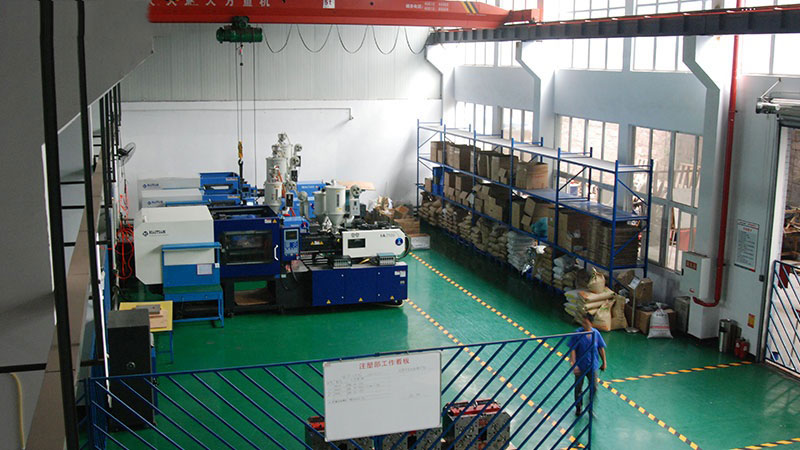
    The reliability of your supplier is a direct determinant of both initial cost and long-term value. In 2026, verification goes beyond checking a website and a price list. Begin with a deep-dive into the factory’s core competencies. Do they specialize in your industry or mold type? Request and validate detailed case studies. A critical step is a virtual or on-site audit focusing on their engineering team, quality control processes, and machine park. Examine the types of CNC, EDM, and injection molding machines they operate. A factory using high-precision equipment may have a higher initial quote but will produce a more accurate and durable mold. Verify their certifications and ask for their standard quality control protocol for mold milestones. This due diligence ensures you are comparing quotes from equally capable partners, making the custom plastic mold cost a reflection of true capability rather than hidden compromises.

    **Solution 3: Strategically Specify Materials and Finish Requirements**

    Clear, precise, and justified specifications are paramount. Over-specifying steel grade or surface finish is a common source of inflated cost. For example, if your production run is for 100,000 parts and the material is a standard resin, a premium hardened steel like DIN 1.2344 may be excessive. A knowledgeable China mold factory can recommend a cost-effective steel that meets your lifecycle needs. Similarly, communicate surface finish requirements using standardized SPI/VDI comparator plates rather than subjective terms. A texture can hide minor flow lines, potentially allowing for a less expensive polish. Be prepared to discuss and justify every specification. A professional partner will advise on the most economical path to meet your functional goals, ensuring every dollar of the injection mold investment is purposeful.

    **Solution 4: Establish a Transparent Milestone-Based Payment and QC Plan**

    A structured payment schedule tied to verified milestones protects your investment and manages cash flow. A standard structure might be 30-40% deposit, 30-40% upon approval of T1 sample parts, and the balance before shipment. Crucially, each payment should be triggered by documented evidence. Insist on detailed inspection reports with photos and measurements at key stages: material certification, mold base completion, cavity and core finishing, and assembly. The T1 sample run is the most critical quality control checkpoint. Plan to have your team or a trusted third-party inspection service evaluate the first shots from the mold for dimensions, appearance, and function. This process minimizes financial risk and ensures the project remains on track, transforming the procurement process from a transaction into a managed partnership.

    **Solution 5: Plan for the Total Lifecycle and Build a Partnership Mindset**

    View your mold supplier not as a one-time vendor but as a long-term manufacturing partner. Discuss future needs upfront. Will you require spare components or additional cavities later? A factory aware of your roadmap may design the mold with future scalability in mind, offering better long-term value. Furthermore, clarify responsibilities for mold maintenance and repair. A reliable partner will provide maintenance guidelines and be available for support. This partnership approach encourages transparency and aligns interests, leading to better service, proactive communication, and consistent part quality over the mold’s entire lifespan. The lowest initial quote holds little value if the mold fails prematurely or the supplier is unresponsive to issues.

    In conclusion, mastering the dynamics of custom plastic mold cost in 2026 requires a shift from price-focused sourcing to value-driven engineering partnership. The solutions lie in proactive design collaboration, meticulous supplier verification, intelligent specification, disciplined quality control, and a strategic long-term perspective. By applying these expert tips, overseas buyers can confidently engage with Chinese mold manufacturers, securing not just a tool, but a foundation for successful and profitable plastic part production. The objective is a precise, durable injection mold that delivers the lowest possible cost per quality part over its lifetime, making your procurement decision a cornerstone of your product’s success.

    Work With Us

    As a professional China mold manufacturer, we provide one-stop mold solution for overseas buyers.
    📞 Phone: +86-18605944639
    💬 WhatsApp: +8618605944639
    🌐 Website: bestmoldworks.com
    📧 Email: [email protected]

  • customized plastic mould Manufacturerturer in China: Ex 2026

    For overseas buyers, sourcing a reliable customized plastic mould manufacturer in China remains one of the most impactful decisions for product development and manufacturing efficiency. As we look toward 2026, the landscape is not just about finding a low-cost supplier; it is about forging a strategic partnership with a China mold factory capable of delivering precision, innovation, and consistent quality. The journey from concept to mass-produced plastic part is fraught with potential pitfalls in communication, technical alignment, and quality assurance. This guide cuts through the noise to provide actionable, professional strategies for navigating the Chinese mold manufacturing sector, ensuring your procurement process in 2026 is built on a foundation of clarity, verification, and control.

    The cornerstone of a successful import project is rigorous supplier verification. Moving beyond Alibaba listings and polished websites is non-negotiable. In 2026, due diligence must be multi-layered. Start with a deep technical audit. Request detailed case studies of molds similar in complexity, material, and volume to your project. A competent customized plastic mould manufacturer in China should readily provide these, along with explanations of challenges overcome. Insist on a video conference factory tour; a reputable supplier will transparently showcase their workshop, machinery (look for modern CNC, EDM, and injection molding machines for testing), and quality control stations. Furthermore, verify business licenses and, critically, ask for references from existing overseas clients. A direct conversation with a current international buyer can reveal more about reliability and communication than a hundred brochures.

    Once a potential partner is identified, mastering the technical and commercial quotation process is vital. A professional quotation from a China mold factory should be exhaustive, not just a single price for the mold. It must break down costs for mold design, materials (such as pre-hardened steel, stainless steel, or aluminum), cavity number, expected lifespan, and any surface treatments (texturing, polishing). Crucially, it should include a clear timeline with milestones for design approval, T1 sample delivery, and final acceptance. For injection mold projects, the quote should distinguish between mold cost and piece-part price for sampling. This transparency prevents hidden costs later. Use this stage to gauge communication effectiveness; a supplier asking insightful questions about your part’s function, tolerances, and end-use environment is demonstrating the proactive engineering support essential for a successful custom mold.

    The design and prototyping phase is where collaboration truly defines outcomes. Employ a phased approach with clear gateways. Begin with a comprehensive Design for Manufacturability (DFM) report. A proficient manufacturer will analyze your 3D files and provide feedback on draft angles, wall thickness uniformity, gate locations, and ejection strategies to optimize the mold for production and longevity. Do not skip the prototyping stage. While 3D-printed prototypes check form and fit, only a first shot (T1) from the actual steel mold can test function and material performance. Plan for at least two to three sampling iterations. Be prepared to provide timely, precise feedback on T1 samples. Effective communication here, often using marked-up photos and video, is more valuable than speed. This iterative process, though demanding, is your primary risk mitigation tool before mass production commences.

    Implementing robust quality control protocols from the start is non-negotiable for overseas buyers. Your agreement must specify QC standards (e.g., based on DME, HASCO, or custom checklists), inspection stages, and documentation requirements. Key inspection points include: a pre-shipment First Article Inspection (FAI) of the physical mold, dimensional reports for the T1 samples using CMM (Coordinate Measuring Machine) data, and a final production part approval process (PPAP) if volumes are high. Many buyers engage a third-party quality inspection service in China for an unbiased assessment at critical milestones, especially before mold shipment and final payment. This provides an essential layer of oversight. Clearly define the acceptance criteria for the mold itself, including criteria for part weight, dimensions, and cosmetic standards on approved sample shots.

    Logistics, payment, and intellectual property protection form the critical framework of your engagement. Use secure, milestone-based payment terms (e.g., 30% deposit, 40% after sample approval, 30% before shipment). For the mold shipment, understand Incoterms 2020 thoroughly; FOB is common, giving you control over freight and insurance. Ensure the supplier provides a detailed packing list and proper crating for the heavy, sensitive mold tooling. Regarding Intellectual Property (IP), a well-drafted Non-Disclosure Agreement (NDA) and a product-specific confidentiality clause in your purchase contract are essential. While absolute guarantees are complex in cross-border trade, working with established, reputation-conscious manufacturers significantly reduces IP risks. Their business model relies on trust and repeat orders from international clients.

    As the manufacturing world evolves toward 2026, partnering with the right customized plastic mould manufacturer in China will increasingly be a competitive advantage, not just a cost-saving exercise. The process demands a shift from transactional purchasing to strategic collaboration. By prioritizing thorough supplier verification, embracing a detailed and iterative technical process, enforcing stringent quality control measures, and structuring a secure commercial framework, overseas buyers can navigate the complexities with confidence. The goal is to secure more than a mold; it is to establish a reliable extension of your engineering and production team, capable of turning your product vision into a market-ready reality with precision and reliability for years to come.

    Work With Us

    As a professional China mold manufacturer, we provide one-stop mold solution for overseas buyers.
    📞 Phone: +86-18605944639
    💬 WhatsApp: +8618605944639
    🌐 Website: bestmoldworks.com
    📧 Email: [email protected]

  • custom molded part: Best Suppliers & Quality Control 2026

    For overseas buyers and procurement specialists, sourcing a custom molded part from China remains one of the most effective strategies to achieve competitive advantage, provided it is executed with precision. The landscape of Chinese manufacturing is evolving rapidly, with a clear shift towards higher value, technological integration, and stringent quality systems. Navigating this terrain to secure a reliable China mold factory requires a modern, methodical approach that goes beyond simple price comparison. This guide for 2026 focuses on actionable, professional strategies to identify top-tier suppliers and implement ironclad quality control, ensuring your injection mold project delivers on time, to specification, and within budget.

    The cornerstone of a successful project lies in rigorous supplier verification. The term “supplier” in 2026 encompasses more than just a production facility; it represents a technical partner. Begin your search with a focus on specialization. A factory proficient in medical-grade components may not be ideal for automotive interiors. Utilize B2B platforms not just for contact, but to study project portfolios and technical certifications. The critical step, however, is a multi-layered verification process. This includes checking official business licenses, auditing ISO 9001:2015 quality management system documentation, and, most importantly, conducting a virtual or on-site audit. In 2026, reputable suppliers expect and facilitate this due diligence. Prepare a technical questionnaire specific to your custom molded part, probing their experience with similar materials, tolerances, and production volumes. This filters out brokers and aligns you with capable manufacturers from the outset.

    Once a shortlist of potential partners is established, the focus shifts to technical collaboration and transparent costing. The design for manufacturability (DFM) stage is where a proficient China mold factory proves its value. Insist on a detailed DFM report before any tooling commitment. This report should highlight potential issues with wall thickness, sink marks, undercuts, and gate locations, offering solutions to optimize part strength, appearance, and cycle time. Simultaneously, dissect the quotation. A professional breakdown will separate mold cost, material cost per unit, and per-part processing fee. Beware of suspiciously low tooling costs; this often indicates inferior steel or simplified construction leading to premature failure. For your injection mold, discuss steel grade (e.g., P20, H13, Stainless), cavity polish levels, and the lifecycle expectancy. Transparent dialogue here prevents cost overruns and ensures the tool is built for your required volume.

    Proactive quality control is not an inspection step; it is a process integrated from the first sample. The Advanced Product Quality Planning (APQP) framework, common in automotive but applicable to all industries, provides an excellent structure. Demand a phased approach: First Article Inspection (FAI) from the initial shots using the Production Part Approval Process (PPAP) methodology, including full dimensional reports, material certifications, and process capability studies. For ongoing production, define your acceptable quality level (AQL) for visual and dimensional checks and ensure the factory has the metrology equipment—CMM, optical comparators—to perform them. In 2026, leveraging technology is key. Require key process parameters from the injection molding machine (pressure, temperature, cycle time) to be monitored and logged, creating a digital fingerprint for every production batch. This data-driven approach allows for predictive intervention rather than reactive problem-solving.

    For overseas buyers, managing the logistics of sampling and production runs is a final critical hurdle. Establish clear protocols for sample approval. Use international couriers for speed and trackability for initial samples, but ensure the supplier understands you are evaluating a production-representative part, not a hand-fitted prototype. Prior to mass production, conduct a Pre-Production Meeting (PPM) to confirm packaging, labeling, and shipment schedules. For quality assurance, engaging a reputable third-party quality inspection firm based in China for during-production or pre-shipment inspections provides an objective layer of security. Their report becomes your final gate before payment and shipment. Finally, protect your intellectual property with a well-drafted Non-Disclosure Agreement (NDA) and consider registering your design patents in China. A trustworthy partner will respect these protocols, viewing them as part of a professional, long-term business relationship.

    Securing a high-quality custom molded part from China in 2026 is an exercise in strategic partnership and process control. The journey from concept to delivered product hinges on selecting a China mold factory through meticulous verification, engaging in deep technical collaboration during the DFM and tooling phase, and governing the project with a data-informed quality control regimen. By adopting these professional procurement practices, overseas buyers can transform the inherent complexities of offshore molding into a reliable, scalable, and competitive supply chain asset. The goal is not merely to purchase a part, but to build a supplier relationship that delivers consistent value and innovation for years to come.

    Work With Us

    As a professional China mold manufacturer, we provide one-stop mold solution for overseas buyers.
    📞 Phone: +86-18605944639
    💬 WhatsApp: +8618605944639
    🌐 Website: bestmoldworks.com
    📧 Email: [email protected]

  • Custom Silicone Mold with Logo: Ultimate Guide for Buy 2026

    For overseas entrepreneurs and product developers, custom silicone molds offer a powerful tool for branding and product differentiation. Adding your logo transforms a simple mold into a brand-building asset, enabling the production of unique promotional items, bespoke product components, or distinctive consumer goods. However, sourcing a high-quality custom silicone mold with logo from China involves navigating a complex landscape of manufacturers, quality standards, and logistical hurdles. This 2026 guide is designed to cut through the noise, providing you with a professional, actionable roadmap to successfully procure reliable, logo-perfect molds from China.

    The journey begins long before you request a quote. Precise specification is your strongest leverage. When approaching a China mold factory, provide exhaustive details. Beyond basic dimensions and the logo artwork (preferably in vector format like AI or EPS), specify the silicone type required—food-grade, high-temperature resistant, or medical-grade—based on your end-use. Detail the intended casting material, expected production cycles (number of uses), and required tolerances. Include information about surface finish expectations around the logo area; a textured finish will hide minor imperfections differently than a high-gloss polish. This level of detail not only ensures accurate quotations but also immediately identifies suppliers who pay attention to technical nuance versus those who offer only generic solutions.

    Finding a potential partner is straightforward; verifying a reliable one is the critical step. Supplier verification in 2026 goes beyond checking an Alibaba storefront. Initiate video calls to tour the facility virtually; a professional China mold factory will readily showcase its CNC machines, liquid silicone rubber (LSR) injection molding equipment, and quality control lab. Request and contact past clients, specifically those who have ordered custom silicone molds with logos. Scrutinize their portfolio for projects involving complex logos or lettering. Utilize third-party inspection services for an initial audit if the order volume justifies it. Furthermore, verify certifications relevant to your industry, such as ISO 9001 for quality management or specific material certifications like FDA compliance. This due diligence is your primary defense against underperformance.

    Understanding the manufacturing process, particularly for logo integration, is key to setting realistic expectations and ensuring quality. For a custom silicone mold with logo, the insignia is typically machined (engraved) into the mold core. This requires high-precision CNC or even EDM (Electrical Discharge Machining) to capture fine logo details sharply and cleanly. Discuss with your supplier the best technique for your logo’s complexity. For prototypes or lower volumes, 3D-printed master patterns can be cost-effective. Clarify who will be responsible for the mold flow analysis to ensure the logo area fills properly without air traps, especially in a multi-cavity injection mold setup. A competent supplier will proactively address these engineering considerations.

    Never underestimate the power of a physical sample. Before committing to full production and shipment, insist on a T1 (first trial) sample produced from the finished mold. This sample is non-negotiable for logo verification. Inspect it for clarity, depth, and sharpness of the logo. Check for any flash (excess material) around the logo edges, which indicates mold wear or improper clamping. Assess the overall part quality, dimensions, and functionality. Use this phase to communicate any adjustments—a logo might need to be etched deeper or a draft angle modified for easier de-molding. A reputable supplier expects and facilitates this iterative process. This step is the cornerstone of effective quality control, transforming specifications into a tangible, approved standard for mass production.

    Finally, solidify all agreements in a clear, comprehensive contract. This document should lock in not just pricing and payment terms (using secure methods like LC or escrow), but crucially, the quality control protocols and acceptance criteria. Define the sampling procedure, the AQL (Acceptable Quality Level) for production batches, and the protocol for handling defective units. Specify IP protection, confirming that your logo and mold design are your exclusive property. Detail logistics responsibilities—Incoterms 2026 like FOB or EXW—and ensure the supplier handles professional mold packaging to prevent damage during ocean freight. A clear contract aligns expectations and provides a legal framework for resolution, protecting your investment throughout the procurement journey.

    Successfully importing a logo-embossed silicone mold from China in 2026 is a systematic process of detailed specification, rigorous supplier verification, technical collaboration, sample validation, and contractual clarity. By focusing on these actionable pillars, overseas buyers can transform the perceived risk of offshore procurement into a strategic advantage. You gain access to world-class manufacturing capabilities and cost efficiencies, enabling you to produce branded, high-quality silicone products that stand out in the global marketplace. The ultimate goal is to establish a partnership with a Chinese mold manufacturer that delivers not just a tool, but a consistent, brand-perfect product for years to come.

    Work With Us

    As a professional China mold manufacturer, we provide one-stop mold solution for overseas buyers.
    📞 Phone: +86-18605944639
    💬 WhatsApp: +8618605944639
    🌐 Website: bestmoldworks.com
    📧 Email: [email protected]