Blog

  • custom injection molding: Best Suppliers & Quality Cont 2026

    For overseas buyers, sourcing custom injection molding from China remains a powerful strategy for achieving cost efficiency and scaling production. However, the landscape is evolving rapidly. Success in 2026 will depend less on simply finding a low quote and more on strategic partnership and robust quality assurance. This guide cuts through the noise to provide actionable, professional insights for procurement specialists and business owners aiming to secure high-quality injection molds and parts from China, ensuring your project is future-proof.

    The core challenge is no longer about finding a China mold factory, but about identifying the right one and managing the process effectively. Concerns about supplier verification, consistent quality control, and intellectual property protection are paramount. This article addresses these real problems directly, offering a framework to navigate the market with confidence and secure a competitive advantage for the coming year.

    Conducting Deep Supplier Verification Beyond Alibaba

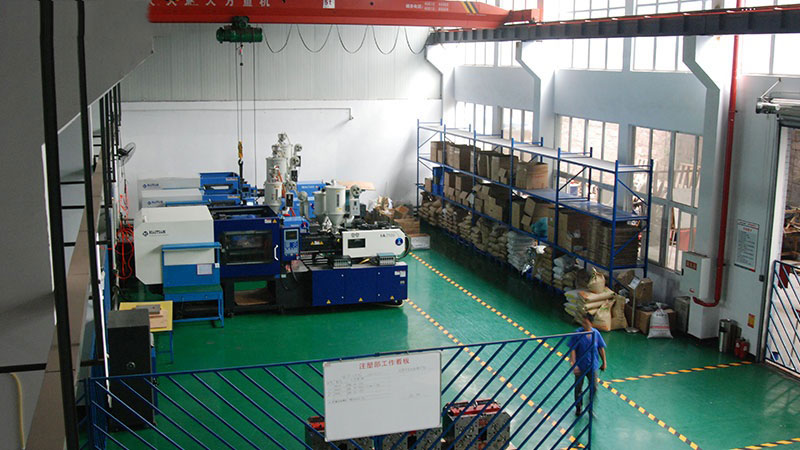
    Initial online searches will yield hundreds of options, making verification critical. Move beyond basic platform profiles. A serious supplier for custom injection molding should readily provide a detailed company dossier. This includes business licenses, export records, and certifications relevant to your industry, such as IATF 16949 for automotive or ISO 13485 for medical devices. Crucially, insist on a live video tour of their facility. This allows you to assess their machinery, workshop organization, and engineering team in real-time, verifying their capability for your specific injection mold complexity. Check their portfolio for projects similar in size, material, and tolerance requirements to yours. In 2026, leveraging professional third-party verification services for an on-site audit before contract signing is a prudent investment that mitigates significant downstream risk.

    Mastering the Technical and Commercial Dialogue

    Clear communication of your specifications is the bedrock of success. Provide a comprehensive package: not just 3D CAD files, but a detailed technical data sheet covering material grade, color standards, critical dimensions and tolerances, surface finish requirements, and expected annual volumes. For the injection mold itself, discuss mold flow analysis expectations, mold steel type, cavity life expectancy, and maintenance protocols. On the commercial side, understand the cost breakdown. A professional China mold factory will separate mold cost from part price. Scrutinize payment terms; a standard 50% deposit with 50% before shipment is common, but milestones tied to design approval and first article inspection offer more buyer protection. Always use a detailed proforma invoice that lists all specifications, delivery timelines, and quality acceptance criteria.

    Implementing a Multi-Stage Quality Control Protocol

    Quality cannot be inspected into a product; it must be built into the process. Your agreement must define a staged quality control plan. This starts with a Design for Manufacturability review and mold flow analysis report. The first critical checkpoint is the First Article Inspection upon mold trial. Insist on receiving actual sample parts along with a dimensional report from a Coordinate Measuring Machine for critical features. For production, define the AQL sampling levels for visual and dimensional checks. For high-volume or critical parts, consider engaging a local third-party quality control firm to conduct pre-shipment inspections at the supplier’s facility. This layer of oversight ensures that mass-produced items match the approved samples. Remember, quality control is an ongoing cost that saves immense resources in avoiding defective shipments.

    Building a Partnership for Long-Term Production

    Viewing your supplier as a strategic partner yields long-term benefits. Once a China mold factory successfully delivers your initial injection mold and production run, focus on relationship management. Clear communication channels, respectful negotiation on future projects, and prompt payment for satisfactory work foster goodwill. Discuss their capacity for scaling with you and their approach to continuous improvement. A true partner will provide proactive feedback on design optimizations for cost reduction or performance enhancement in future iterations. This collaborative approach is essential for maintaining consistent quality over multiple production cycles and years, securing your supply chain for 2026 and beyond.

    Navigating Logistics and Protecting Intellectual Property

    Finalizing your order involves crucial logistical and legal steps. Clarify Incoterms explicitly. FOB Shanghai is standard, meaning your responsibility and risk begin once the goods are loaded on the vessel. Ensure you understand all documentation required for smooth customs clearance in your country. Simultaneously, intellectual property protection must be formalized. A robust Non-Disclosure Agreement is essential, but for your custom injection molding project, a product-specific confidentiality and IP agreement is stronger. Consider registering your design patents in China where feasible. While legal enforcement has complexities, these documents establish clear contractual boundaries and demonstrate serious intent, deterring potential misuse.

    Conclusion

    Importing through custom injection molding channels in China offers a compelling value proposition that will continue into 2026 and well beyond. The differentiation between success and failure lies in a meticulous, professional approach centered on deep supplier verification, unambiguous technical communication, and an unwavering commitment to staged quality control. By moving beyond transactional thinking and investing in the due diligence and partnership-building outlined above, overseas buyers can confidently tap into China’s manufacturing expertise. This strategic methodology minimizes risk, ensures product integrity, and ultimately delivers the cost and scalability advantages that make sourcing from China a cornerstone of global competitive manufacturing.

    Work With Us

    As a professional China mold manufacturer, we provide one-stop mold solution for overseas buyers.
    📞 Phone: +86-18605944639
    💬 WhatsApp: +8618605944639
    🌐 Website: bestmoldworks.com
    📧 Email: [email protected]
  • injection molds for plastic part: Complete Procurement 2026

    For overseas buyers, procuring injection molds for plastic parts from China remains a strategic decision to balance cost, quality, and scalability. However, the landscape is evolving rapidly. By 2026, success hinges on a more sophisticated, digitally-integrated, and verification-heavy approach than ever before. This guide cuts through the noise to provide a complete, actionable procurement framework tailored for the coming year, helping you navigate the process with confidence and mitigate the inherent risks of international sourcing.

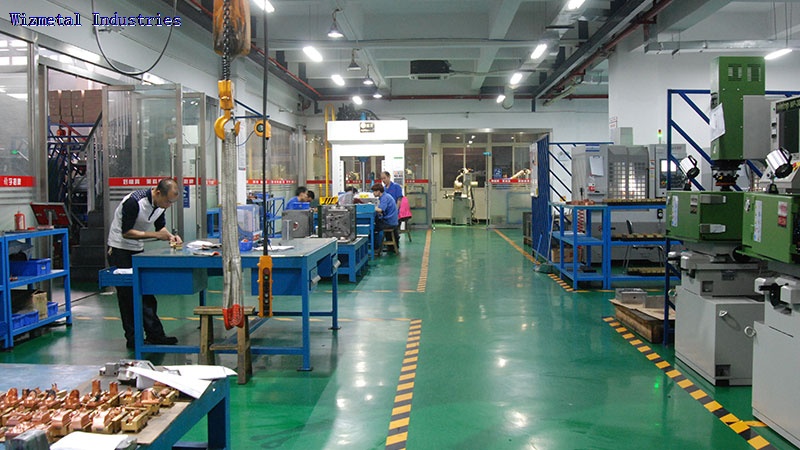
    The foundation of a successful procurement project is selecting the right China mold factory. Moving beyond simple Alibaba searches, the 2026 approach requires layered verification. Start with a deep digital audit: analyze their professional website for technical blogs, case studies, and engineering insights rather than just glossy photos. Utilize platforms like LinkedIn to check key employees’ profiles and tenure. Crucially, insist on a live video audit of the facility. A reputable supplier will readily conduct a walk-through via video call, showcasing their CNC machining centers, EDM equipment, mold trial areas, and, importantly, their workshop organization and safety standards. This real-time view is invaluable for assessing capabilities and professionalism before any commitment is made.

    Once a shortlist is established, the technical and commercial discussion phase becomes critical. Your request for quotation (RFQ) package must be comprehensive. Beyond 3D part files, include material specifications, expected annual volumes, tolerance requirements, and surface finish expectations. For the injection mold itself, explicitly discuss mold life expectancy (e.g., 500,000 shots), cooling line design, and the type of steel (such as P20, 718, or S136) appropriate for your production material. In 2026, leading factories will use this data to perform preliminary mold flow analysis, presenting simulations to optimize gate location and prevent potential defects. This proactive engineering dialogue separates true partners from mere order-takers. Clearly outline payment terms, with a staged milestone schedule (e.g., 30% deposit, 40% after T1 sample approval, 30% before shipment) to align interests and manage financial risk.

    The most pivotal phase in procuring an injection mold is the quality control protocol, executed before the tool leaves China. The industry standard is the Trial Run Report (T1 Sample Report). Do not accept just a few sample parts. Demand a comprehensive report including high-resolution photos of the molded parts, detailed measurements against the 2D drawing using a CMM report, and documentation of the process parameters used. Implement a mandatory Pre-Shipment Inspection (PSI). Either engage a reputable third-party inspection firm or send your own engineer to witness a final trial run. This inspection should verify not only the part quality but also the mold’s workmanship—checking for proper polishing, smooth action of sliders and lifters, and the functionality of the hot runner system if applicable. This step is your final safeguard against costly rework or delays after shipment.

    Finalizing the procurement process involves strategic planning for logistics and long-term partnership. Understand Incoterms thoroughly; FOB Shenzhen is common, but you may consider EXW if you have a reliable freight forwarder. Ensure the China mold factory provides a complete mold design dossier and proper mold maintenance manuals in English. For ongoing production, discuss their capacity for mold storage, maintenance, and repair. In the 2026 context, forward-thinking buyers are also initiating conversations about sustainability, such as the factory’s energy efficiency measures and material traceability. Establishing clear communication channels and response time expectations for future support or modifications turns a one-time transaction into a resilient supply chain asset.

    Procuring injection molds for plastic parts from China in 2026 demands a blend of traditional due diligence and modern digital verification. The complete procurement journey, from advanced supplier vetting and technical collaboration to rigorous pre-shipment quality control, is designed to de-risk your investment. By partnering with a verified and communicative China mold factory, you secure more than a tool; you gain a competitive advantage in cost-effective, high-quality plastic part manufacturing. Embrace this structured approach to transform the complexity of international sourcing into a reliable and profitable cornerstone of your production strategy.

    Work With Us

    As a professional China mold manufacturer, we provide one-stop mold solution for overseas buyers.
    📞 Phone: +86-18605944639
    💬 WhatsApp: +8618605944639
    🌐 Website: bestmoldworks.com
    📧 Email: [email protected]
  • import mold from China: Professional Buying Guide 2026

    For global manufacturers and product developers, the decision to import mold from China represents a significant strategic move. It offers unparalleled potential for cost efficiency, advanced manufacturing capabilities, and scalability. However, navigating this complex landscape without a clear roadmap can lead to costly delays, quality issues, and logistical headaches. This professional guide for 2026 is designed to cut through the noise. We provide actionable, real-world strategies to help overseas buyers establish a robust and successful procurement pipeline, turning the challenge of sourcing from a distant market into a competitive advantage.

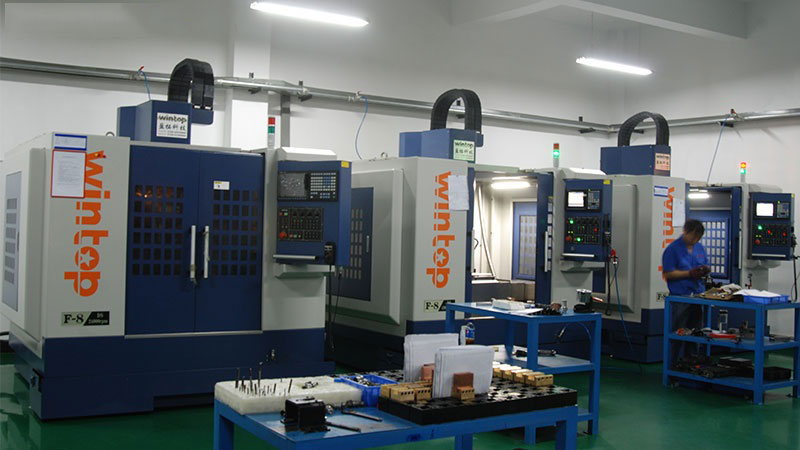
    The foundation of a successful import project is selecting the right China mold factory. The initial search will yield hundreds of options, making effective supplier verification non-negotiable. Begin by moving beyond basic online directories. Utilize professional platforms like Made-in-China.com or Global Sources, but prioritize suppliers with detailed process documentation and client testimonials. The critical step is to conduct a multi-faceted verification: request their business license, inspect factory audit reports from previous international clients, and verify their export experience. For critical projects, a virtual factory tour via video call is now a standard expectation. Focus on their engineering team’s expertise, the condition and age of their machinery (such as CNC, EDM, and wire-cutting machines), and their in-house quality control setup. A reliable partner will be transparent and proactive in providing this evidence.

    Once a shortlist is established, precise technical communication becomes the linchpin of success. The term injection mold covers a vast range of complexities. To avoid misinterpretation, your technical package must be exhaustive. Beyond providing a 3D CAD model (STEP or IGS format), include a comprehensive 2D drawing with GD&T (Geometric Dimensioning and Tolerancing) standards, clearly specifying critical dimensions, surface finish requirements (SPI standards), and material specifications (e.g., pre-hardened steel, stainless steel, or aluminum). Detail the intended plastic resin, expected annual production volume, and cycle time targets. Furthermore, explicitly agree on deliverables: this includes the number of cavity corrections, the format of the mold flow analysis report, and the requirements for sample parts. Documenting these specifics in a purchase agreement prevents scope creep and ensures both parties share identical expectations for the final tool.

    A rigorous quality control protocol, implemented at staged milestones, is your primary financial safeguard. Do not wait to inspect only the finished mold or the first article samples. Insist on checkpoint inspections throughout the manufacturing process. Key milestones include a first article inspection after the mold base is procured, a critical dimension check after CNC machining, and a thorough trial run at the factory with video evidence. For high-value tools, engaging a local third-party quality inspection firm to conduct an on-site pre-shipment inspection is a highly recommended investment. They will verify steel hardness, cavity dimensions, cooling line functionality, and the performance of the ejection system. This proactive approach identifies and rectifies issues while the mold is still in the factory, avoiding exponentially higher correction costs and delays after it has been shipped overseas.

    The final phase involves navigating logistics, payment, and intellectual property protection. Opt for secure and traceable payment terms. A common and balanced structure is 30-40% deposit, 40-50% payment after approval of the initial sample parts, and the final 10-20% balance after pre-shipment inspection. For logistics, work with the supplier or a trusted freight forwarder to determine the optimal method—air freight for urgency, sea freight for cost-effectiveness on large molds. Ensure the mold is properly crated and insured for the journey. Regarding intellectual property, a well-drafted Non-Disclosure Agreement (NDA) and a product confidentiality clause within your contract are essential. For utmost security, consider splitting the manufacturing of critical components between different, vetted workshops.

    Successfully navigating the process to import mold from China is a systematic exercise in due diligence, clear communication, and proactive management. The landscape in 2026 demands a partnership approach, not just a transactional buyer-supplier relationship. By meticulously verifying your China mold factory, mastering technical documentation, implementing staged quality control, and securing the commercial terms, you transform inherent risks into a reliable extension of your manufacturing capability. This disciplined framework empowers overseas buyers to leverage China’s manufacturing excellence, ensuring your injection mold procurement drives innovation, efficiency, and growth for your business in the years ahead.

    Work With Us

    As a professional China mold manufacturer, we provide one-stop mold solution for overseas buyers.
    📞 Phone: +86-18605944639
    💬 WhatsApp: +8618605944639
    🌐 Website: bestmoldworks.com
    📧 Email: [email protected]
  • custom plastic injection mold Manufacturerturer: Exper 2026

    For overseas buyers, the decision to import molds from China represents a significant strategic advantage, offering unparalleled cost efficiency and manufacturing scale. However, navigating the landscape of custom plastic injection mold procurement can be fraught with challenges, from supplier verification to consistent quality control. As we move into 2026, the dynamics of engaging with a Chinese mold factory are evolving, demanding more sophisticated approaches from international clients. This guide cuts through the noise to provide actionable, real-world strategies for securing a reliable partnership and ensuring your injection mold project is a resounding success.

    Mastering Supplier Verification and Vetting

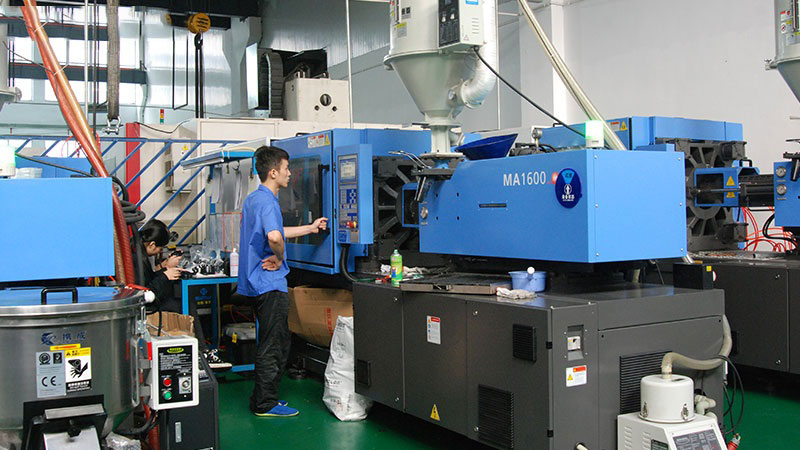
    The foundation of a successful import project is a thoroughly vetted supplier. In 2026, basic online directories are no longer sufficient. Begin with a multi-platform verification strategy. Scrutinize potential partners on B2B platforms like Alibaba and Global Sources, but prioritize suppliers with comprehensive profiles, verified licenses, and, crucially, a portfolio of projects for Western clients. The next critical step is a virtual facility audit. A professional custom plastic injection mold manufacturer will readily conduct a live video tour of their workshop, showcasing their machinery (brands like Haitian, Engel, or Arburg are positive indicators), mold trial areas, and quality control stations. Always request and independently contact references from past overseas clients, asking specific questions about communication, problem-solving, and adherence to timelines.

    Implementing Proactive and Structured Communication

    Miscommunication is the primary source of project failure. To mitigate this, establish a single point of contact on both sides who is technically proficient in both mold design and English. Implement a structured communication protocol from day one. This should include scheduled weekly update meetings, the use of shared cloud folders for all 2D/3D drawings and documents, and the mandatory use of marked-up images and videos for any design change requests or issue reporting. Clarify all technical standards upfront—will the mold be built to ISO, DIN, or your specific national standards? Defining the communication structure and technical baseline before work begins is a non-negotiable step for professional collaboration with any China mold factory.

    Designing a Robust Stage-Gate Quality Control Process

    Quality cannot be inspected into a mold; it must be built into the process. Work with your supplier to implement a stage-gate payment and inspection protocol. This breaks the project into defined phases—such as design review, material procurement, first machining, assembly, and first trial—with a milestone payment and inspection report required to proceed to the next phase. For critical stages, especially the initial Trial Sample Report (TSP), engage a reputable third-party quality inspection service based in China. Their engineers can be on-site to witness the mold trial, measure sample parts, and validate the process parameters, providing you with an unbiased report before the mold leaves the factory. This proactive approach to quality control is far more effective than discovering issues upon arrival at your facility.

    Navigating Logistics, IP Protection, and Total Cost

    A clear understanding of logistics and intellectual property (IP) protection is vital. For logistics, discuss Incoterms 2020 explicitly—CIF, FOB, or EXW—and understand exactly what costs and responsibilities they entail. Ensure your chosen custom plastic injection mold manufacturer has experience in preparing export documentation and proper mold packaging for ocean freight. Regarding IP, a well-drafted Non-Disclosure Agreement (NDA) and Product Design Agreement (PDA) are essential. While their legal enforceability in China can be complex, they establish serious intent. For further protection, consider filing for design or utility model patents in China. Finally, calculate the Total Cost of Procurement, factoring in not just the mold price, but also inspection fees, shipping, insurance, import duties, and potential costs for post-trial modifications.

    Building a Partnership for Future Projects

    View your engagement not as a one-time transaction but as the beginning of a strategic partnership. A reliable supplier is an asset for your future product development. After successful completion of the initial order, work with them to document the entire process—what went well and what could be improved. Discuss their capabilities for future projects, such as rapid prototyping, insert molding, or using alternative materials. A forward-thinking China mold factory will appreciate this long-term view and will often provide more favorable terms and prioritized service for repeat business. This partnership mindset transforms your supplier from a simple vendor into an extension of your manufacturing team.

    Conclusion

    Importing a custom plastic injection mold from China in 2026 demands a blend of diligent verification, structured communication, embedded quality control, and strategic foresight. The landscape is competitive, and the most successful overseas buyers are those who approach procurement with a systematic, informed, and partnership-oriented mindset. By implementing the actionable steps outlined above—from rigorous supplier verification to a staged quality gate process—you significantly de-risk your investment. The goal is to transform the geographical and cultural distance into a manageable variable, leaving you with a high-quality injection mold that delivers exceptional value and a reliable manufacturing partner for years to come.

    Work With Us

    As a professional China mold manufacturer, we provide one-stop mold solution for overseas buyers.
    📞 Phone: +86-18605944639
    💬 WhatsApp: +8618605944639
    🌐 Website: bestmoldworks.com
    📧 Email: [email protected]
  • custom injection molding companies: Complete Procurem 2026

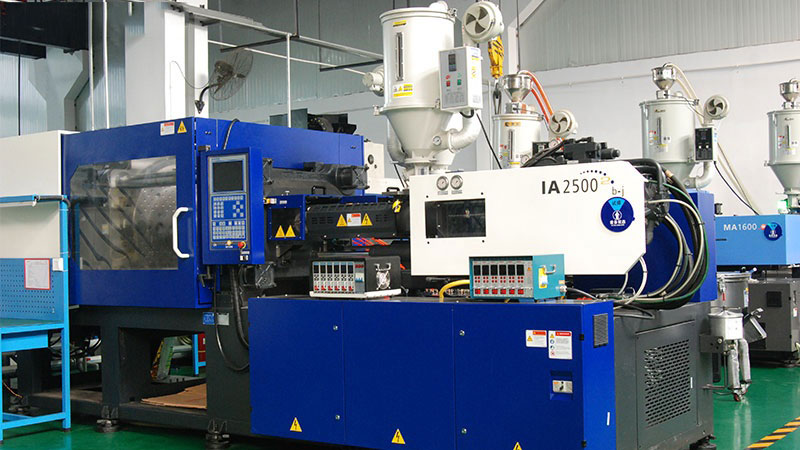
    For overseas buyers, partnering with custom injection molding companies in China remains a strategic move to achieve significant cost savings, access advanced manufacturing capabilities, and accelerate product development. However, the landscape is evolving rapidly. The procurement playbook from five years ago is outdated. In 2026, success hinges on a more sophisticated, digitally-integrated, and quality-centric approach. This guide cuts through the noise to provide a complete, actionable framework for navigating the modern complexities of importing high-quality injection molds from China, ensuring your project is delivered on time, to specification, and within budget.

    The cornerstone of a successful import project is selecting the right China mold factory. Moving beyond simple online directories, the verification process must be multi-layered. Start with a deep-dive into their digital footprint: a professional website with detailed case studies, technical blogs, and clear process explanations is a minimum. Utilize B2B platforms not just for contact, but to analyze their transaction history and client reviews. However, the critical step is a virtual or, ideally, in-person audit. In 2026, reputable suppliers expect this. Prepare a technical questionnaire focusing on their experience with materials similar to yours, their standard tolerances (ISO 20485 or ASME Y14.5), and their mold flow analysis capabilities. Request to speak directly with their project engineering team. A reliable partner will be transparent, ask insightful questions about your design, and demonstrate a proactive problem-solving attitude from the very first interaction.

    Once a potential partner is shortlisted, the design for manufacturability (DFM) stage becomes your most powerful risk mitigation tool. Do not simply send a CAD file and request a quote. Insist on a formal DFM report from the injection mold supplier. This document should highlight potential issues like wall thickness inconsistencies, sink marks, undercuts, and gate locations. It should also confirm the proposed mold steel type (e.g., P20, H13, S136) and cooling channel design rationale. In 2026, leading custom injection molding companies employ sophisticated simulation software to predict filling patterns, weld lines, and potential warpage. Your willingness to engage collaboratively in this stage separates professional procurement from mere order-placing. Be prepared to discuss and potentially modify your design; the minor adjustments made here prevent costly mold reworks and production headaches later, ensuring the injection mold is optimized for performance and longevity.

    The traditional procurement pitfall has been treating mold manufacturing and part production as separate entities. In 2026, the most efficient strategy is to seek an integrated partner capable of handling both under one roof. This “mold and part” integration streamlines communication, eliminates finger-pointing between separate vendors, and ensures accountability. When evaluating suppliers, verify their in-house capabilities: do they have the injection molding machines with the appropriate tonnage and shot capacity for your production volumes? Discuss their full quality control pipeline, from first article inspection to process validation. An integrated approach allows for concurrent engineering, where lessons from sampling can be quickly fed back into minor mold adjustments, drastically reducing the overall project timeline. This cohesive process is a hallmark of advanced custom injection molding companies focused on long-term partnerships.

    Robust quality control is non-negotiable, and the standards for 2026 extend beyond final inspection. Define clear, measurable quality protocols in your purchase agreement. This should include milestone inspections: a pre-shipment inspection of the finished mold (T1 sample) is standard, but consider a critical stage inspection (CSI) during mold fabrication, such as after the CNC machining or EDM processes. Specify the use of Coordinate Measuring Machines (CMM) reports for critical dimensions and require material certifications for the steel and resins used. For production runs, insist on a Statistical Process Control (SPC) plan to monitor part consistency. Modern procurement utilizes digital tools for this; demand real-time access to inspection data, photos, and even live video streams of the testing process. This level of transparency builds trust and allows for preemptive corrective action, turning quality control from a reactive hurdle into a proactive partnership pillar.

    Finally, a professional procurement strategy in 2026 must meticulously address logistics and intellectual property (IP) protection. For logistics, work with your supplier to determine the most cost-effective and secure shipping method (air for prototypes, sea for production molds). Ensure they have experience in proper mold packaging—crating, desiccant, and rust prevention—for international transit. Discuss incoterms (EXW, FOB, CIF) explicitly to avoid hidden costs. Regarding IP, a robust Non-Disclosure Agreement (NDA) is the first step, but it must be enforceable in China. Follow this with a contract that clearly states ownership of all design and tooling. Many buyers now opt for a “mold custody” agreement, where the physical mold remains the property of the buyer but is stored at the supplier’s facility, with usage rights clearly licensed. While no system is foolproof, these legal and procedural frameworks demonstrate seriousness and deter potential bad actors.

    Importing injection molds from China in 2026 demands a shift from a cost-centric to a value-centric procurement model. The complete process is built on strategic supplier verification, collaborative DFM, integrated production management, digitally-enabled quality control, and ironclad logistical and IP planning. By adopting this structured approach, overseas buyers can move beyond the challenges of distance and culture to build powerful, resilient partnerships with Chinese manufacturers. The goal is no longer just to buy a mold; it is to secure a reliable, high-quality manufacturing channel that delivers competitive advantage for years to come. Your success hinges on preparation, communication, and choosing a partner whose capabilities and vision align with the precision and demands of the modern global market.

    Work With Us

    As a professional China mold manufacturer, we provide one-stop mold solution for overseas buyers.
    📞 Phone: +86-18605944639
    💬 WhatsApp: +8618605944639
    🌐 Website: bestmoldworks.com
    📧 Email: [email protected]

  • custom plastic mold Manufacturerturer near me: Reliabl 2026

    For overseas buyers, the search for a “custom plastic mold manufacturer near me” often concludes not with a local factory, but with the realization that China offers the optimal blend of technical expertise, scalability, and cost-effectiveness. However, procuring high-quality injection molds from across the globe presents distinct challenges in supplier verification, communication, and quality control. This guide for 2026 is designed to move beyond simple directory listings and provide actionable, professional strategies to help you reliably navigate the Chinese manufacturing landscape and secure a partnership that delivers precision, value, and peace of mind.

    The core challenge in 2026 is not finding a China mold factory, but efficiently identifying the right one for your specific project. The digital marketplace is vast, and claims of capability are ubiquitous. Your procurement process must therefore begin with intelligent filtration. Move past generic B2B platforms and invest time in specialized industrial directories and trade associations. Scrutinize factory websites for technical white papers, case studies of similar projects, and detailed descriptions of their machinery. A professional manufacturer will transparently showcase their CNC, EDM, and CMM equipment. Crucially, prioritize suppliers who ask detailed questions about your part’s application, material, volume, and tolerance requirements from the first inquiry. This technical engagement is a primary indicator of a serious custom plastic mold manufacturer near me capable of translating your design into a functional tool.

    Once a shortlist is established, rigorous supplier verification becomes your most critical task. In 2026, due diligence extends far beyond a business license check. Request and verify official audits like ISO 9001 certification. Insist on a live video tour of the production facility; this is non-negotiable. A reputable China mold factory will readily arrange this, allowing you to observe workshop organization, equipment condition, and technician skill in real-time. Furthermore, investigate their export experience. Ask for references from existing overseas clients in your region or industry and, with permission, contact them. Inquire about the supplier’s communication reliability, problem-solving approach, and adherence to schedules. This step transforms an anonymous entity into a verified partner, significantly de-risking your procurement decision.

    Effective communication and precise contractual agreements form the bedrock of a successful project. Clearly define every specification in a comprehensive Technical Requirement document, covering steel grade, mold life expectancy, cavity finish (SPI/VDI standards), cooling layout, and part acceptance criteria. Your contract must be explicit on IP protection, payment terms linked to project milestones (e.g., 30% upon order, 40% after T1 sample approval), and ownership of all design files. Establish a single point of contact on both sides who is technically fluent. Utilize shared project management tools for tracking progress and document exchange. Regular, scheduled video conferences during key phases—design review, first trial—are essential to preempt misunderstandings and ensure alignment, making the geographical distance manageable.

    Proactive quality control integrated throughout the manufacturing cycle is what separates successful imports from costly failures. Do not wait for the finished mold to implement checks. Require and review design reports (DFM) and mold flow analysis before steel is cut. Insist on in-process photos and videos of critical stages: material certificates for the mold steel, machining of the core and cavity, and assembly. For the first article inspection, many buyers now employ third-party quality control services in China to conduct an on-site dimensional check and functional test using your specified material. This objective assessment before shipment is invaluable. Finally, ensure the supplier provides complete and professional documentation, including 2D/3D drawings of the mold, maintenance manuals, and a detailed inspection report. This disciplined approach to quality control ensures the injection mold you receive meets the agreed standard.

    The journey does not end with shipment. Planning for the long-term relationship is a hallmark of strategic procurement. Discuss and agree on post-sales support terms upfront. This includes warranty coverage for workmanship and materials, typically one to two years, and the process for handling wear or damage. Understand their policy and cost structure for manufacturing spare components like ejector pins or cores. A reliable partner will support you throughout the mold’s lifecycle. Furthermore, a successful first mold often leads to future projects. Building a trusted relationship with a competent custom plastic mold manufacturer near me transforms a transactional cost center into a strategic asset for your product development and manufacturing agility.

    In conclusion, the search for a reliable partner in 2026 is a systematic process of technical evaluation, diligent verification, clear communication, and embedded quality assurance. By shifting focus from merely finding a supplier to thoroughly vetting and actively managing the partnership, overseas buyers can confidently leverage the immense capability of Chinese mold manufacturing. The goal is to build a collaborative bridge that turns your precise part design into a high-performance, durable injection mold, delivering competitive advantage and ensuring your product’s success in the global market.

    Work With Us

    As a professional China mold manufacturer, we provide one-stop mold solution for overseas buyers.
    📞 Phone: +86-18605944639
    💬 WhatsApp: +8618605944639
    🌐 Website: bestmoldworks.com
    📧 Email: [email protected]

  • custom injection mold: Complete Procurement Guide 2026

    Navigating the procurement of a custom injection mold from China represents a significant strategic decision for overseas product developers and manufacturers. The potential for cost efficiency, advanced manufacturing capabilities, and scalability is immense, yet the path is fraught with complexities for the uninitiated. A successful project hinges not just on finding a supplier, but on mastering a process that balances technical precision, commercial acumen, and cross-cultural communication. This complete procurement guide for 2026 is designed to cut through the noise, providing you with a professional, actionable framework to secure a high-quality custom injection mold that meets your exact specifications, timeline, and budget.

    The foundational step, and perhaps the most critical, is thorough supplier verification and selection. Moving beyond simple online directories or price-centric searches is paramount. In 2026, a professional approach involves a multi-layered verification process. Begin with a deep dive into the China mold factory’s portfolio, specifically seeking projects analogous in complexity and industry to yours. Request and meticulously review client references, preferably from companies in your region. Utilize video conferencing to conduct virtual factory tours; observe the shop floor organization, the generation and condition of machinery (look for modern CNC, EDM, and injection molding machines), and the quality control stations. Verify business licenses and export credentials. Crucially, engage their engineering team in a technical discussion about your project early on. Their questions and suggestions will reveal their expertise more than any sales pitch. This phase is an investment in risk mitigation, ensuring your partner possesses both the capability and the professionalism to execute your vision.

    Once a qualified supplier is shortlisted, mastering the technical and commercial documentation phase becomes the linchpin of clarity and prevention of costly errors. The cornerstone of this is a comprehensive Request for Quotation (RFQ) package. This should extend far beyond a simple 3D CAD model. Include detailed part drawings with GD&T (Geometric Dimensioning and Tolerancing), material specifications (including resin grade and color), expected annual volumes, and critical-to-quality dimensions. For the mold itself, specify requirements such as mold base standard (LKM, HASCO, etc.), steel grade for cavities and cores, surface finish expectations, cooling line layout, and ejection methodology. Clearly outline your expectations for deliverables: are you procuring only the mold, or does the package include sample parts, first article inspection reports, and mold design approvals? Simultaneously, negotiate transparent payment terms. A common and balanced structure is 40-50% deposit, 30-40% upon pre-shipment approval of sample parts, and the balance before shipment. Never agree to 100% upfront payment. This documented clarity aligns expectations and forms the legal and technical bedrock of your order.

    Proactive and structured quality control, integrated throughout the mold manufacturing journey, is non-negotiable for overseas buyers. Do not relegate QC to a final inspection before shipment. Instead, implement a staged inspection protocol. Key milestones should include a mold design review, where you approve the DFM (Design for Manufacturability) report and 2D mold drawings. The next critical point is the T1 sample evaluation. Upon completion of the mold, the China mold factory will produce initial samples. These should be shipped to you for a thorough dimensional, cosmetic, and functional assessment. Use this stage to request CMM (Coordinate Measuring Machine) reports and material certification. Consider engaging a reputable third-party inspection agency in China for a Factory Acceptance Test (FAT) at the supplier’s facility. This independent verification checks mold functionality, part conformity, and documentation before the mold leaves the factory. This layered QC approach transforms quality from a hope into a managed, verified process, preventing the devastating discovery of flaws only after the mold arrives at your doorstep.

    The final logistical and partnership phase encompasses shipment, knowledge transfer, and long-term collaboration. Understand Incoterms 2020 thoroughly; for high-value, precision tools like a custom injection mold, FOB (Free On Board) or EXW (Ex Works) are common, but ensure you have a reliable freight forwarder to handle international shipping and customs clearance. Insurance for the full value of the mold during transit is essential. Upon receipt, plan for a precise installation and initial production run. A valuable strategy is to have the supplier produce a pilot production batch of 500-1000 parts before shipment. This not only serves as a final validation but also provides you with saleable or testing inventory. Ensure you receive all agreed-upon documentation, including final as-built drawings, maintenance manuals, and steel certificates. View this not as the end of a transaction, but the beginning of a partnership. A reliable supplier becomes a strategic asset for future projects, mold modifications, and ongoing production support, maximizing the lifetime value of your injection mold procurement.

    In conclusion, successfully importing a custom injection mold from China in 2026 demands a disciplined, informed, and collaborative approach. It is a technical procurement exercise where diligence in supplier verification, precision in technical documentation, rigor in staged quality control, and clarity in logistics planning converge to define success. By moving beyond a simplistic price comparison and embracing this structured framework, you transform the inherent complexities of overseas procurement into a competitive advantage. The result is more than a piece of precision tooling; it is the reliable, high-quality foundation for your product’s manufacturing success, sourced through a partnership built on transparency and professional execution. This guide provides the actionable roadmap to achieve precisely that.

    Work With Us

    As a professional China mold manufacturer, we provide one-stop mold solution for overseas buyers.
    📞 Phone: +86-18605944639
    💬 WhatsApp: +8618605944639
    🌐 Website: bestmoldworks.com
    📧 Email: [email protected]

  • custom injection mold maker near me: Ultimate Guide f 2026

    For overseas buyers, the search for a “custom injection mold maker near me” often ends with a realization: the most competitive solutions in terms of expertise, scalability, and cost are frequently found not locally, but across the globe in China. The Chinese manufacturing ecosystem for injection molds is vast, sophisticated, and capable of producing high-precision tooling that powers industries worldwide. However, navigating this landscape from afar presents unique challenges. This ultimate guide for 2026 is designed to transform your procurement journey from a daunting task into a strategic advantage, providing actionable steps to identify, verify, and partner with a top-tier China mold factory.

    The initial search phase is critical and moves far beyond a simple online query. While searching for a “custom injection mold maker near me” might yield local results, your true goal is to replicate that sense of proximity and trust with a partner thousands of miles away. Begin by leveraging international B2B platforms like Alibaba, Made-in-China, and Global Sources, but use them as directories, not final arbiters. Focus on suppliers with verified transaction histories and Gold Member status. More importantly, shift your research to industry-specific exhibitions, both virtual and physical. Events like Chinaplas offer direct access to a concentration of reputable manufacturers. Simultaneously, conduct a deep dive into a supplier’s digital footprint. A professional China mold factory will have a detailed website showcasing engineering case studies, equipment lists (such as CNC, EDM, and CMM machines), and clear explanations of their process. The absence of this information is a significant red flag.

    Once a shortlist is created, rigorous supplier verification becomes your most important task. This step separates successful long-term partnerships from costly failures. First, insist on a video conference call. A face-to-face virtual meeting allows you to assess the facility, meet the engineering team, and gauge communication fluency. Request a live virtual tour of the factory floor; a reputable injection mold maker will readily comply. Second, validate business licenses and certifications. Key certifications to look for include ISO 9001 for quality management systems and IATF 16949 if you are in the automotive sector. Third, go beyond the supplier-provided references. Use professional networking sites like LinkedIn to find and contact previous international clients. Ask specific questions about design collaboration, problem-solving responsiveness, and post-sales support. This due diligence is the cornerstone of secure procurement.

    The heart of a successful project lies in the technical and commercial clarity of your request for quotation (RFQ). A vague RFQ invites misunderstandings and inaccurate pricing. To secure a precise quote from your injection mold partner, your RFQ must include comprehensive 3D part files (STEP or IGES preferred), 2D drawings with critical dimensions and tolerances clearly marked, material specifications for the final plastic part, expected annual volumes, and desired mold life (e.g., 500,000 cycles). Furthermore, explicitly state your requirements for mold qualification samples and the type of report expected, typically a First Article Inspection Report. Clearly define all components: mold base standard (LKM, HASCO, DME), cavity and core steel grade (e.g., P20, H13, S136), hot runner system brand preference, and expectations for surface finishing. This level of detail ensures all bidders are quoting on the same scope, enabling a true apples-to-apples comparison.

    Proactive quality control integrated throughout the manufacturing process is non-negotiable. Do not wait until the mold is completed to inspect it. Engage a third-party quality inspection firm based in China to conduct critical stage inspections. These typically include a pre-production check of the raw mold steel material, an in-process inspection when the mold is roughly 70% complete to check critical dimensions and movements, and a final pre-shipment inspection where the mold is sampled on a machine, and parts are measured against your drawings. This staggered QC approach allows for corrections at the earliest and least expensive stage. During sampling, the Data Mold Trial Report is a vital document. It should detail machine settings, cycle times, and any issues encountered, providing a baseline for production at your facility. Owning this process prevents the common pitfall of receiving a mold that does not perform as expected in your local plant.

    Finally, view the partnership through a long-term strategic lens. The lowest initial mold price is rarely the most cost-effective over its lifetime. Discuss maintenance, spare parts, and the possibility of future mold modifications. A reliable custom injection mold maker near me in spirit—though located in China—will be interested in a lasting relationship. They should offer clear warranty terms, typically covering workmanship and materials for one year. Establish standardized communication protocols and a single point of contact on both sides to streamline project management. Consider starting with a smaller, less critical project to build trust and assess performance before committing to larger, more complex tooling. This phased approach mitigates risk and solidifies a foundation for future collaboration.

    In conclusion, the search for a “custom injection mold maker near me” in 2026 is fundamentally a search for capability, reliability, and value—attributes abundantly available in China’s manufacturing sector. By methodically executing a strategy of targeted supplier discovery, thorough verification, detailed RFQ preparation, embedded quality control, and strategic relationship building, overseas buyers can confidently bridge the geographical gap. The ultimate goal is to transform a distant China mold factory into a seamless extension of your own production team, delivering high-quality injection molds that drive your product’s success in the global marketplace for years to come.

    Work With Us

    As a professional China mold manufacturer, we provide one-stop mold solution for overseas buyers.
    📞 Phone: +86-18605944639
    💬 WhatsApp: +8618605944639
    🌐 Website: bestmoldworks.com
    📧 Email: [email protected]

  • injection mold factory near me: Complete Procurement Gu 2026

    For overseas buyers, the search for an “injection mold factory near me” often evolves into a global procurement strategy, with China remaining the epicenter of precision tooling and competitive manufacturing. However, the geographical distance and cultural differences can transform what seems like a simple search into a complex challenge of supplier verification, quality assurance, and logistical planning. This 2026 guide is designed to move beyond basic directories and provide a modern, actionable framework for procuring high-quality injection molds from China. We will address the real pain points—finding truly capable partners, ensuring consistent quality, and managing a smooth import process—to turn your offshore sourcing into a reliable pillar of your supply chain.

    Redefining “Near Me” in a Global Context: Strategic Supplier Identification

    The first step is to shift your mindset from geographical proximity to capability alignment. Your ideal “injection mold factory near me” is not defined by distance but by its technical expertise, industry experience, and communication efficiency. Begin by leveraging modern B2B platforms like Alibaba, Made-in-China, and Global Sources, but use advanced filters. Prioritize suppliers verified by third-party inspections and those with detailed project portfolios. In 2026, a factory’s digital footprint is telling; look for comprehensive websites with engineering blogs, case studies, and video tours of their facility. Furthermore, industry-specific trade shows, whether attended virtually or in person, remain invaluable for assessing a China mold factory’s reputation and technological advancements firsthand. The goal is to create a shortlist of partners whose core competencies are “near” your specific project requirements in complexity, material, and volume.

    The 2026 Verification Protocol: Due Diligence Beyond the Website

    Once you have a shortlist, rigorous supplier verification is non-negotiable. Move beyond standard business license checks. Request and validate their ISO 9001 certification, specifically for mold design and manufacturing processes. Insist on a live video audit of their production floor. A credible injection mold supplier will readily arrange this, showcasing their CNC machining centers, EDM equipment, CMM inspection tools, and mold trial presses. Demand references from existing overseas clients and actually contact them. Ask detailed questions about communication, problem-solving, and post-sales support. In the current landscape, also assess their digital proficiency: Do they use modern project management software? Can they share 3D files and design reviews seamlessly via platforms like Teamcenter or even shared cloud folders? This level of due diligence separates market-leading partners from mediocre workshops.

    Engineering Collaboration and Design for Manufacturability (DFM)

    The most critical phase of your procurement begins before the steel is cut. A professional China mold factory will provide a detailed Design for Manufacturability (DFM) report. This is not a mere formality but a cornerstone of quality control and cost-saving. A thorough DFM will analyze your part design, suggest improvements for moldability, recommend appropriate steel grades (like P20, H13, or S136) for your material and volume, and outline the mold flow analysis plan. Engage deeply in this stage. Clarify expectations on mold lifespan, cavitation, and maintenance. Discuss and agree upon all specifications upfront: surface finish (SPI standards), tolerances, gate type, and ejection method. This collaborative engineering approach prevents costly misunderstandings and ensures the injection mold is built right the first time, aligning both parties technically.

    Structured Quality Control: From First Article to Final Shipment

    Proactive quality control is your primary tool for risk mitigation. Never settle for “we will check quality.” Implement a structured QC protocol. Key inspection milestones include: 1) **Steel Material Certification:** Verify the material grade of the mold base and cores. 2) **Trial Sample Approval:** Upon the first mold trial, the factory should send you samples, along with a detailed report including pictures, video of the trial run, and dimensional measurement data. 3) **Pre-shipment Inspection (PSI):** Engage a trusted third-party inspection service in China to conduct a final audit. They will check the final samples from the production mold against your approved master sample and drawings, and verify the mold’s workmanship and completeness. This layered approach to quality control provides objective evidence at each stage, ensuring the final product meets your exact specifications before it ever leaves the factory floor.

    Navigating Logistics, IP Protection, and Long-Term Partnership

    The final hurdle involves securing your investment and ensuring smooth delivery. For Intellectual Property (IP) protection, work with a legal professional to draft a robust Non-Disclosure Agreement (NDA) and mold ownership agreement that is enforceable in China. Clearly state that all design files, molds, and associated tooling are your exclusive property. For logistics, decide on Incoterms carefully; FOB (Free On Board) is common, giving you control over shipping and insurance once the mold leaves the Chinese port. Ensure the factory provides a professional mold export crate, with proper desiccants and rust prevention for the sea voyage. View successful procurement as the start of a partnership. A reliable injection mold factory becomes an extension of your engineering team, crucial for future modifications, maintenance, and new projects.

    Conclusion

    Procuring an injection mold from China in 2026 demands a blend of traditional diligence and modern digital engagement. The journey from searching for an “injection mold factory near me” to securing a dependable overseas manufacturing partner is systematic. By redefining your search around capability, implementing a rigorous verification protocol, engaging in collaborative engineering, enforcing structured quality control, and safeguarding your intellectual and physical assets, you transform geographical distance into a strategic advantage. The result is not just a cost-effective mold, but a foundational relationship with a China mold factory that delivers precision, reliability, and value, driving the success of your production for years to come.

    Work With Us

    As a professional China mold manufacturer, we provide one-stop mold solution for overseas buyers.
    📞 Phone: +86-18605944639
    💬 WhatsApp: +8618605944639
    🌐 Website: bestmoldworks.com
    📧 Email: [email protected]

  • injection mold factory: Expert Tips & Solutions 2026

    Importing injection molds from China remains a strategic move for businesses worldwide seeking competitive manufacturing advantages. However, navigating the vast landscape of suppliers to find a truly reliable partner is a complex challenge. As we look toward 2026, the dynamics of precision manufacturing, communication, and supply chain integration continue to evolve. This guide provides expert, actionable tips and forward-looking solutions to help you, the overseas buyer, successfully identify, vet, and collaborate with a top-tier injection mold factory in China, ensuring your procurement process is efficient, transparent, and results-driven.

    The cornerstone of a successful import project is thorough supplier verification. Moving beyond a simple website check or Alibaba storefront is non-negotiable. In 2026, due diligence must be multi-layered. Start by verifying the China mold factory’s business license and export credentials. Request a virtual factory tour via video call to assess their shop floor organization, machinery (look for modern CNC, EDM, and CMM machines), and in-house capabilities. Crucially, ask for and contact past overseas clients. A reputable injection mold supplier will provide references. Discuss with these references not just the final product quality, but also their experience with communication, problem-solving, and post-sales support. This step filters out trading companies masquerading as manufacturers and identifies partners with a proven export track record.

    Once a potential partner is shortlisted, mastering the technical and commercial discussion phase is critical. Provide a comprehensive RFQ package including a detailed 3D part design (STEP or IGS format), material specifications, expected annual volumes, and cosmetic requirements. A professional injection mold factory will analyze this and provide a mold flow analysis report before cutting steel. This simulation, a must-ask for in 2026, predicts filling, cooling, and potential defects, saving costly revisions later. Simultaneously, clarify all commercial terms. Demand a fixed-price, detailed quotation breaking down mold cost, unit part price, payment schedule (e.g., 50% deposit, 40% after T1 sample approval, 10% before shipment), and delivery timeline. Ensure Incoterms 2020 are explicitly stated to avoid logistics misunderstandings.

    Implementing a rigorous, staged quality control protocol is your primary risk mitigation tool. Do not rely on a single pre-shipment inspection. For injection mold procurement, quality must be validated at key milestones. First, conduct a Design Review meeting to approve the mold design and flow analysis. Second, require a First Article Inspection (FAI) when the initial T1 samples are produced. This involves measuring critical dimensions against the part drawings. Third, schedule an In-Process Audit during mold fabrication, either by sending your own agent or hiring a trusted third-party inspection service in China. Finally, perform a Pre-Shipment Inspection to verify the finished mold’s workmanship and functionality with a final sample run. This layered approach ensures issues are caught early, when they are least expensive to correct.

    The final phase, encompassing logistics, IP protection, and long-term partnership, defines the lasting value of your sourcing endeavor. For logistics, work with your injection mold factory to determine optimal shipping—air freight for urgency, sea freight for cost-effectiveness. Ensure proper mold packaging and crating to prevent transit damage. Intellectual property protection is a valid concern; a professional partner will respect a well-drafted Non-Disclosure Agreement (NDA) and Proprietary Information Agreement (PIA). Consider filing for design patents in China for critical parts. Viewing the relationship as a strategic partnership yields the greatest returns. A reliable China mold factory becomes an extension of your engineering team, offering design for manufacturability (DFM) advice and proactive support for maintenance and future projects.

    Successfully importing from an injection mold factory in China in 2026 demands a blend of diligent verification, clear technical communication, structured quality control, and strategic relationship management. By moving beyond price as the sole deciding factor and implementing these expert tips, you transform the procurement process from a transactional gamble into a value-driven partnership. The right manufacturer is not just a vendor but a collaborative force that enhances your product quality, time-to-market, and overall competitiveness. Start your next project with this disciplined framework to build a resilient and profitable supply chain for the future.

    Work With Us

    As a professional China mold manufacturer, we provide one-stop mold solution for overseas buyers.
    📞 Phone: +86-18605944639
    💬 WhatsApp: +8618605944639
    🌐 Website: bestmoldworks.com
    📧 Email: [email protected]