Blog

  • high quality mold: Ultimate Guide for Buyers 2026 | China Mold Factory

    For overseas buyers, sourcing a high quality mold from China represents a significant strategic advantage, offering unparalleled value, advanced manufacturing capabilities, and scalability. However, the path to securing a reliable China mold factory that consistently delivers precision and durability is fraught with challenges, from supplier verification to rigorous quality control. This guide cuts through the noise to provide a professional, actionable framework for your procurement success in 2026 and beyond.

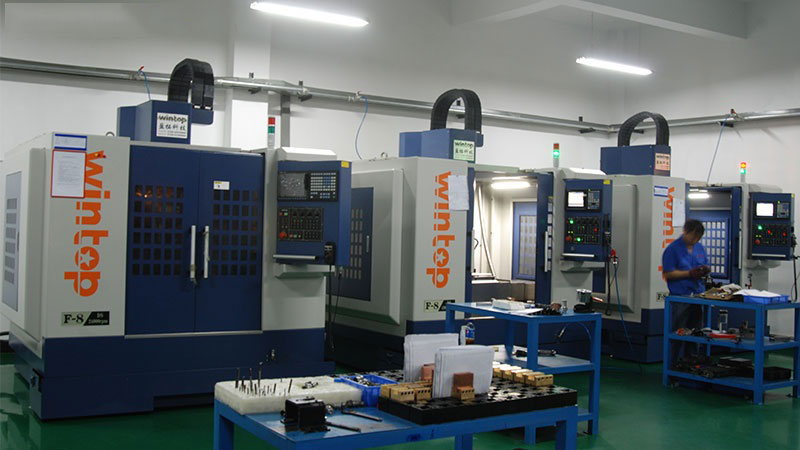
    The cornerstone of a successful import project is selecting the right partner, not just the lowest bidder. A true high quality mold begins with the manufacturer’s expertise and systems. Start your supplier verification by looking beyond glossy websites. Demand evidence of technical capability specific to your industry—whether automotive, medical, consumer electronics, or packaging. A professional China mold factory will readily provide detailed case studies, share 3D mold flow analysis reports, and discuss material science considerations for your specific polymer or alloy. Arrange video conferences with their engineering team, not just sales staff, to assess their problem-solving approach and communication skills. This technical deep dive is your first and most critical filter, separating marketing claims from genuine manufacturing prowess.

    Once a potential partner passes the initial technical review, a structured and detailed Request for Quotation (RFQ) process is essential. A vague RFQ invites misunderstandings and cost overruns. Your RFQ for an injection mold must be a comprehensive technical document. Include fully detailed 3D product drawings (STEP or IGS format), material specifications, expected annual volumes, and target cycle times. Crucially, define all quality standards and inspection protocols upfront: specify tolerances to ISO or DIN standards, mandate mold flow analysis reports, and require a Design for Manufacturability (DFM) review before any steel is cut. Clearly outline the project milestones, payment terms linked to these milestones (e.g., 30% upon order, 40% after T1 sample approval), and protocols for design changes. This clarity protects both parties and sets the stage for a professional partnership focused on delivering a high quality mold.

    The procurement phase transitions into active project management and quality control, where oversight separates successful imports from costly failures. Insist on a transparent, milestone-based communication plan. A reputable China mold factory will provide regular updates with photos and videos: steel material certificates, CNC machining, EDM texturing, and assembly. The most critical checkpoint is the First Article Inspection (FAI) and the initial sample (T1) shipment. Do not skip the step of conducting a pre-shipment inspection or, for high-value tools, arranging for a third-party quality control agency to perform an on-site mold tryout and dimensional report. This independent verification of the injection mold’s performance against your approved samples and drawings is a non-negotiable investment. It ensures the tool meets all specifications before final payment and shipment, mitigating immense risk.

    Finally, view the partnership with your China mold factory as a long-term strategic relationship. The goal extends beyond acquiring a single tool to securing a reliable source for future projects, maintenance, and modifications. Discuss post-sales support explicitly: What is their policy on mold modification? How is wear and tear handled? Do they provide spare components? A supplier invested in a long-term relationship will be proactive in suggesting design improvements for durability and maintenance. They will maintain proper records of your mold and be responsive during production crises. This enduring collaboration transforms a transactional purchase into a sustained competitive advantage, ensuring consistent part quality and production uptime for years.

    In conclusion, importing a high-quality mold from China in 2026 demands a disciplined, knowledge-based approach that prioritizes thorough supplier verification, meticulous RFQ preparation, rigorous quality control, and long-term relationship building. By implementing these actionable strategies, you move beyond price-centric discussions to partner with engineering-focused manufacturers capable of delivering exceptional value and reliability. The ultimate goal is not merely to buy a tool but to secure a cornerstone of your production process, enabling innovation, efficiency, and market success through a trusted and professional China mold factory partnership.

    Work With Us

    As a professional China mold manufacturer, we provide one-stop mold solution for overseas buyers.
    📞 Phone: +86-18605944639
    💬 WhatsApp: +8618605944639
    🌐 Website: bestmoldworks.com
    📧 Email: [email protected]
  • how to make custom plastic molds: Ultimate Guide for 2026

    For overseas businesses, mastering the process of how to make custom plastic molds in China remains one of the most impactful strategies for achieving cost-effective, high-quality production. The landscape is evolving rapidly, with advancements in digital communication, manufacturing technology, and supply chain transparency redefining best practices. This guide for 2026 cuts through the noise to provide a professional, actionable roadmap for procurement specialists, engineers, and business owners looking to successfully navigate this complex but rewarding journey. We will focus on the critical steps from initial concept to final quality approval, ensuring you partner with the right China mold factory and secure a mold that meets your exact specifications, budget, and timeline.

    The foundation of a successful project lies in meticulous preparation before you even contact a supplier. Begin with comprehensive and unambiguous design documentation. In 2026, this means more than just 2D drawings. You must provide a fully detailed 3D CAD model (STEP or IGS format) complete with critical tolerances, surface finish specifications (SPI standards), and material selection for the final plastic part. Clearly define the expected annual volume, as this directly influences the mold’s construction; a mold for 100,000 cycles requires different materials and hardening processes than one for 500,000. Simultaneously, develop a detailed Request for Quotation (RFQ) packet. This should include the 3D files, 2D drawings, part material, estimated production volume, target piece price, and expected timeline. This clarity prevents misunderstandings and allows China mold factories to provide accurate and comparable quotes, setting a professional tone from the outset.

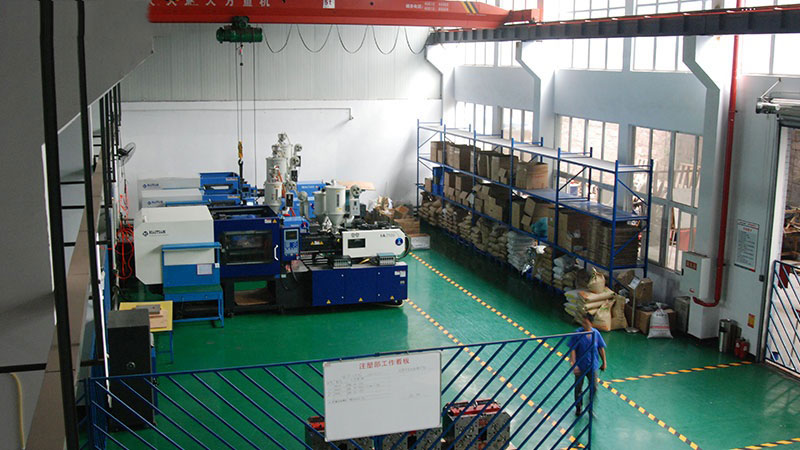
    Supplier verification is the single most crucial step in mitigating risk. The term “China mold factory” encompasses a vast spectrum, from rudimentary workshops to fully automated, technologically advanced facilities. In the current era, due diligence must be digital and deep. Start by scrutinizing supplier platforms like Alibaba, but go beyond storefront ratings. Request virtual factory tours via video call to assess machinery (look for Swiss, German, or Japanese CNC, EDM, and wire-cutting equipment), workshop organization, and cleanroom conditions for assembly. Insist on speaking directly to project managers and lead engineers, not just sales staff. Verify their experience with your specific type of injection mold, whether it’s for multi-cavity high-speed production, complex gas-assist systems, or tight-tolerance medical components. Demand and contact references from existing overseas clients. Furthermore, in 2026, checking a supplier’s digital thread capability—how seamlessly data flows from design to production—is a key indicator of their modernity and efficiency.

    Upon selecting a partner, the real work of collaboration begins. Effective communication and structured project management are non-negotiable. Establish a single point of contact on both sides and use collaborative platforms (like shared cloud folders, Asana, or even WeChat Work) for all document exchanges. A professional China mold factory will provide a stage-gate process with mandatory approvals. This typically includes a formal Design for Manufacturability (DFM) report, where their engineers suggest optimizations to your part design to improve moldability, reduce cost, and enhance durability. Do not skip this step. Following DFM approval, you should review and approve the detailed mold flow analysis, which simulates plastic filling to predict and prevent defects like warping or sink marks. Finally, approve the mold design itself, focusing on the gate location, cooling channel layout, ejection system, and steel grade selection. These proactive reviews prevent costly modifications later.

    Quality control is not a final inspection; it is a continuous process integrated into every phase. Define quality benchmarks explicitly in your purchase contract. Key checkpoints include a First Article Inspection (FAI) report against your CAD dimensions, a pre-shipment sample from the actual injection mold using production-grade material, and a full dimensional report. For critical components, consider engaging a reputable third-party inspection agency within China to conduct an on-site Tool Tryout Report (T1 sample evaluation) at the factory. They can verify the mold’s performance, part dimensions, and functionality before it is shipped. Discuss post-sales support upfront. A reliable supplier will offer a clear warranty covering workmanship and materials (typically 12-18 months) and commit to providing maintenance documentation and spare part lists. Understanding the full process of how to make custom plastic molds includes planning for its entire lifecycle, not just its creation.

    In conclusion, successfully importing a custom injection mold from China in 2026 demands a blend of traditional procurement acumen and adaptation to new digital tools and transparent practices. The journey from concept to production is systematic: invest time in perfecting your design and RFQ, conduct exhaustive supplier verification beyond surface-level checks, engage deeply in the collaborative engineering reviews, and implement a multi-stage quality control protocol. By following this structured approach, you transform the complex question of how to make custom plastic molds into a manageable, low-risk, and highly rewarding procurement exercise. The result is not merely a tool, but a long-term partnership with a Chinese mold manufacturer that delivers precision, reliability, and a significant competitive advantage to your overseas operations for years to come.

    Work With Us

    As a professional China mold manufacturer, we provide one-stop mold solution for overseas buyers.
    📞 Phone: +86-18605944639
    💬 WhatsApp: +8618605944639
    🌐 Website: bestmoldworks.com
    📧 Email: [email protected]
  • mold Manufacturerturers: Reliable Manufacturers Guide 2026

    For overseas buyers, importing molds from China represents a significant opportunity for cost efficiency, advanced manufacturing capabilities, and scalability. However, the journey from sourcing to successful delivery is fraught with potential pitfalls, from supplier miscommunication to quality inconsistencies. As we look toward 2026, the landscape is more competitive and sophisticated than ever. This guide cuts through the noise to provide actionable, professional strategies for identifying and partnering with reliable mold manufacturers in China, ensuring your procurement process is built on a foundation of trust and precision.

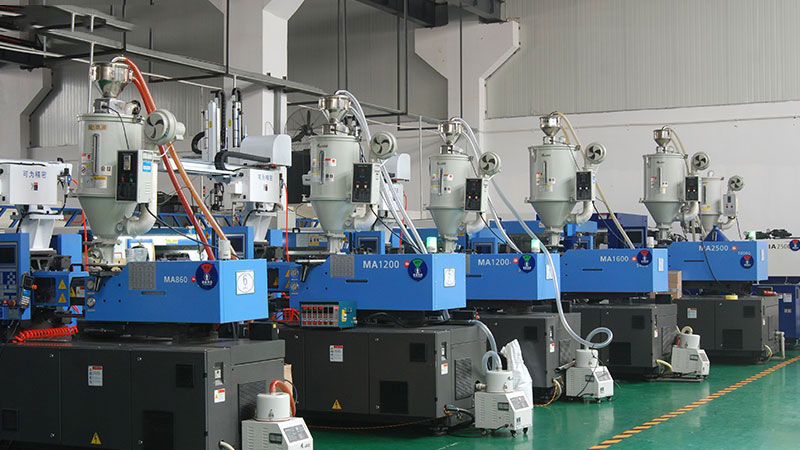
    The cornerstone of successful import is rigorous supplier verification. Moving beyond a simple Alibaba search is non-negotiable. Start by scrutinizing the manufacturer’s business licenses and export history. A legitimate China mold factory will readily provide its business registration details. Next, leverage video verification. Request a real-time video tour of their facility. Observe the workshop floor, the types of machinery (look for modern CNC, EDM, and injection molding machines), and the organization of the workspace. This step alone can filter out trading companies posing as manufacturers. Furthermore, insist on a detailed list of past clients, preferably with contactable references from your region. A reputable manufacturer will have a portfolio of successful international collaborations. Finally, use third-party verification services for due diligence on company capital, legal disputes, and ownership structure. This multi-layered approach transforms an unknown entity into a vetted potential partner.

    Once a shortlist is established, mastering the technical and commercial discussion is critical. Your request for quotation (RFQ) must be exceptionally detailed. For an injection mold, this includes providing a fully reviewed 3D model (STEP or IGS format), 2D drawings with critical dimensions and tolerances clearly marked, material specifications (steel grade like P20, H13, or S136), expected cavity life, and part surface finish requirements (SPI standards). Clearly state your expected production volume, as this influences mold design and steel selection. Discuss post-mold services explicitly: will they handle sampling, provide first-article inspection reports, and offer mold maintenance? On the commercial front, understand the payment terms. While a 50% deposit is common, negotiate milestones. A structured payment schedule tied to design approval, mold trial, and final shipment aligns interests. Never compromise on a detailed contract that covers intellectual property ownership, confidentiality, delivery timelines with penalties for delays, and warranty terms for mold workmanship and durability.

    Implementing proactive quality control throughout the manufacturing lifecycle is what separates successful imports from costly failures. Do not adopt a “wait and see” approach until shipment. For overseas buyers, engaging a local third-party quality inspection agency is a highly recommended investment. Schedule critical inspections at key stages: after mold material procurement (steel certification), after machining completion (pre-trial inspection of the mold itself), and most importantly, during the initial sample trial run. This Trial Run Inspection is vital. The inspector will witness the molding process, check the samples against your specifications using CMMs and other gauges, and provide a detailed report with photos and data. This allows for corrections before mass production begins. Establish clear Acceptable Quality Level (AQL) standards for any subsequent production runs. By embedding QC into the process, you manage risks actively rather than reacting to defects upon arrival at your warehouse.

    The final phase, logistics and long-term partnership management, ensures the project’s lasting success. Understand Incoterms 2020 thoroughly. For molds, FOB is common, giving you control over shipping and insurance. Work with your manufacturer to ensure proper mold packaging—crated wooden boxes with internal waterproofing and shock absorption are standard for protection. All essential documentation, including commercial invoice, packing list, bill of lading, and mold design certificates, should be meticulously prepared. Upon successful completion of your first project, view the relationship strategically. A reliable manufacturer is a long-term asset. Provide constructive feedback, discuss future projects, and explore opportunities for cost optimization in repeat orders. This collaborative approach fosters loyalty and can lead to prioritized service and continuous improvement in your mold procurement pipeline.

    In conclusion, importing molds from China in 2026 demands a blend of diligent verification, precise communication, embedded quality control, and strategic relationship management. The market offers immense value, but it must be accessed with a professional and systematic methodology. By treating the search for mold manufacturers as a critical investment in due diligence rather than a simple cost-saving purchase, overseas buyers can unlock the full potential of Chinese manufacturing. The reliable partners are there; finding them requires the disciplined application of this guide’s principles, paving the way for efficient production, superior product quality, and sustainable competitive advantage for years to come.

    Work With Us

    As a professional China mold manufacturer, we provide one-stop mold solution for overseas buyers.
    📞 Phone: +86-18605944639
    💬 WhatsApp: +8618605944639
    🌐 Website: bestmoldworks.com
    📧 Email: [email protected]
  • injection mold China factory: Best Suppliers & Qualit 2026

    For overseas buyers and procurement teams, sourcing injection molds from China remains a cornerstone strategy for achieving significant cost savings and accessing advanced manufacturing capabilities. However, the journey from initial inquiry to receiving a high-quality, production-ready mold is fraught with potential challenges. Vetting the right partner from thousands of options requires a methodical approach. This guide is designed to provide actionable, professional insights for navigating the Chinese mold manufacturing landscape in 2026, focusing on practical steps for supplier verification and robust quality control to secure your investment.

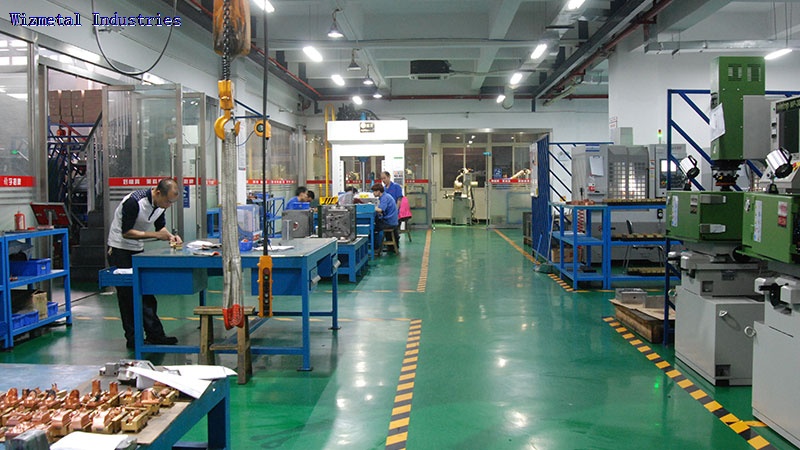
    The foundation of a successful procurement project lies in meticulous supplier verification. Moving beyond basic Alibaba listings is crucial. Start by identifying factories with demonstrable expertise in your specific industry, whether automotive, medical, consumer electronics, or packaging. A professional injection mold China factory will have a portfolio showcasing similar projects. Request detailed case studies and, when possible, arrange a virtual or in-person audit. Key verification steps include checking business licenses, export history, and equipment lists. Modern, well-maintained CNC machines, EDM equipment, and mold testing presses are indicators of capability. Furthermore, inquire about their engineering team’s structure; direct access to experienced mold designers is a significant advantage. This due diligence phase filters out trading companies and under-equipped workshops, aligning you with manufacturers capable of meeting your technical specifications.

    Once a potential partner is identified, the focus must shift to precision in communication and design collaboration. Ambiguity in technical drawings or material specifications is a primary cause of mold failure. Engage deeply during the design for manufacturability phase. A reputable China mold factory will provide DFM feedback, suggesting modifications to wall thickness, gate locations, or ejection systems that enhance mold longevity and part quality. Clearly specify all requirements: steel grade, cavity surface finish, tolerance levels, cooling channel design, and expected cycle life. Utilize 3D models and fully detailed 2D drawings as the contractual basis. Establishing a single point of contact, preferably a project manager with engineering proficiency, ensures consistent and clear communication, preventing costly misunderstandings before tooling fabrication begins.

    Implementing a staged quality control protocol is non-negotiable. Do not wait until the final shipment to inspect the injection mold. Insist on milestone inspections tied to payments. The first critical stage is the First Article Inspection after the mold trial. This involves reviewing a comprehensive trial report, including photos, videos, and samples from the mold trials. Measure the samples against your CAD data using CMM reports. The second stage is a pre-shipment inspection, where the physical mold is checked for workmanship, conformity to the agreed specifications, and completeness of all components. For high-value projects, consider hiring a local third-party quality control agency to conduct these inspections impartially. This proactive approach identifies issues while the mold is still at the factory, where corrections are faster and more cost-effective than after international shipment.

    Understanding the total cost of ownership, not just the initial quotation, is vital for procurement success. While competitive pricing is a key advantage, the cheapest injection mold often becomes the most expensive due to premature wear, poor part quality, and excessive downtime. Analyze quotations comprehensively. They should break down costs for design, materials, machining, trials, and hardening treatments. Discuss post-sales support explicitly. What are the terms for warranty? How are repair costs and lead times handled for wear and tear? A reliable supplier will be transparent about these factors. Building a partnership with a factory that values long-term collaboration over a single transaction leads to better service, continuous improvement, and reliable support throughout the mold’s lifecycle, ultimately protecting your production line’s efficiency.

    The landscape in 2026 continues to evolve with smart manufacturing trends. Leading suppliers are integrating Industry 4.0 technologies, offering digital twins of molds and real-time production monitoring capabilities. When evaluating your shortlist, inquire about their digital infrastructure. Can they provide mold data for predictive maintenance? This forward-looking criterion can differentiate a competent supplier from an industry leader. Furthermore, environmental compliance and sustainable practices are becoming increasingly important for global brands. Verify the factory’s environmental certifications and their policies on material sourcing and waste management to ensure alignment with your corporate standards.

    Securing a high-quality injection mold from a China factory in 2026 is a highly achievable goal with a strategic, informed approach. It transcends simply finding a low-cost provider and evolves into building a technical partnership based on verified capability, clear communication, and rigorous quality control. By investing time in thorough supplier verification, engaging deeply in the design process, enforcing staged inspections, and evaluating total cost, overseas buyers can mitigate risks and unlock the immense value the Chinese manufacturing sector offers. The result is not just a tool, but a reliable asset that drives product quality and manufacturing efficiency for years to come, making your procurement decision a definitive competitive advantage.

    Work With Us

    As a professional China mold manufacturer, we provide one-stop mold solution for overseas buyers.
    📞 Phone: +86-18605944639
    💬 WhatsApp: +8618605944639
    🌐 Website: bestmoldworks.com
    📧 Email: [email protected]
  • custom molds: Professional Buying Guide 2026 | China Mold Factory

    For overseas buyers, the decision to import custom molds from China represents a significant strategic advantage, offering unparalleled cost efficiency and manufacturing scalability. However, navigating this complex procurement landscape can be daunting. The distance, cultural differences, and technical nuances inherent in tooling procurement demand a meticulous and informed approach. This professional guide for 2026 is designed to cut through the noise, providing you with actionable, real-world strategies to successfully partner with a China mold factory. We move beyond simple supplier listings to focus on the core processes that ensure your investment in a custom injection mold translates into a reliable, high-quality production asset for your business.

    The foundation of a successful import project lies in meticulous supplier verification. In 2026, due diligence goes far beyond checking a company website. Begin with a deep technical audit. A competent China mold factory should readily provide detailed case studies, preferably with video walk-throughs of finished molds in operation. Utilize video conferencing for virtual factory tours, insisting on seeing the shop floor—observe the machinery brands (e.g., DMG Mori, GF Machining Solutions), the organization of the tooling area, and the working environment. Crucially, verify their engineering capability. Request to speak directly with a project engineer to discuss your specific part; their ability to ask insightful questions about material selection, tolerances, ejection, and cooling is a more valuable indicator than a sales representative’s promises. Third-party verification platforms and in-depth background checks on business licenses are now considered standard practice, not an extra step.

    Once a potential partner is identified, the procurement phase must be governed by crystal-clear technical communication. The quotation document is your first critical checkpoint. A professional quote for an injection mold should be exhaustive, breaking down costs for mold design, material (such as pre-hardened steel like P20 or hardened steel like H13), cavity number, expected cycle life, surface finish specifications (SPI standards), and all ancillary costs like trial sampling and shipping. Never accept a single lump-sum price. Explicitly define all deliverables: 3D mold flow analysis reports, 2D mold structure drawings for approval, and the format for design reviews. Establish a milestone-based payment schedule—typically 30-40% deposit, 40% after design approval, and the balance upon successful trial sample approval. This structure aligns interests and maintains leverage throughout the build process.

    The true differentiator between a problematic venture and a seamless one is proactive quality control integrated from the very first design review. Do not wait for the finished mold to inspect quality. Insist on being part of the Design for Manufacturability (DFM) process. A reputable supplier will provide annotated DFM feedback, suggesting modifications to part geometry that improve moldability, reduce cost, and enhance durability. During manufacturing, require weekly progress reports with photographs showing key stages: material certification, CNC machining, EDM texturing, and assembly. For critical molds, the engagement of a local third-party quality inspection firm to conduct an Initial Sample Inspection (ISI) during the final fitting stage is a wise investment. They can verify dimensions, polish, and assembly against the agreed drawings before the mold is shipped for trial.

    The final approval stage, centered on the Trial Sample Report (TSR), is non-negotiable. The mold should be sampled on a production-equivalent machine at the China mold factory. The TSR must document all process parameters: resin type and grade, injection speeds and pressures, cooling times, and mold temperatures. The delivered samples should be from a stabilized process, not just the first few shots that look good. You must receive a statistically significant number of samples for your own evaluation. Test them for form, fit, and function rigorously. Any issues—sink marks, warpage, flash—must be documented and resolved with a clear corrective action plan before final payment and shipment. This phase is your last opportunity to ensure the custom molds meet all functional requirements before they enter your production stream.

    Logistics and post-sales support are the final pillars of a professional procurement strategy. Discuss incoterms explicitly; FOB is common, but understand exactly what is included. Ensure the mold is properly crated and insured for sea freight. Comprehensive documentation, including a detailed mold manual with maintenance instructions, spare parts list, and final as-built drawings, should be a contractual deliverable. Finally, clarify post-sales terms. What is the warranty period? How are repair costs handled? What is the process and lead time for manufacturing spare components like lifters or cores? A reliable partner will have transparent answers, viewing the mold delivery as the start of a long-term relationship, not the end of a transaction.

    Successfully importing custom molds from China in 2026 is a systematic exercise in professional procurement, technical collaboration, and vigilant quality control. It requires moving beyond a simple price-focused mentality to building a partnership with a technically proficient China mold factory. By implementing this guide’s framework—rigorous supplier verification, unambiguous technical communication, staged quality inspections, and a disciplined sample approval process—you transform a complex international purchase into a controlled, low-risk, and highly rewarding investment. The goal is not just to buy a mold, but to secure a production-ready tool that delivers consistent part quality, optimizing your supply chain and strengthening your competitive edge for years to come.

    Work With Us

    As a professional China mold manufacturer, we provide one-stop mold solution for overseas buyers.
    📞 Phone: +86-18605944639
    💬 WhatsApp: +8618605944639
    🌐 Website: bestmoldworks.com
    📧 Email: [email protected]
  • Create custom molds: Best Suppliers & Quality Control 2026

    For overseas buyers, the decision to create custom molds in China represents a significant strategic advantage, offering unparalleled cost efficiency and manufacturing scalability. However, the path from concept to a perfect, production-ready mold is fraught with potential pitfalls, from supplier misalignment to critical quality failures. This guide cuts through the noise to provide a professional, actionable framework for your procurement journey in 2026, focusing squarely on identifying the best suppliers and implementing ironclad quality control.

    The foundation of a successful project lies not in finding the cheapest China mold factory, but in identifying a technically capable and reliable partner. Begin with a rigorous supplier verification process. Move beyond Alibaba storefronts; demand detailed company audits, factory walk-through videos, and a documented portfolio of past work, specifically for overseas clients. Scrutinize their expertise in your required area, be it precision injection molds for medical devices or large-scale automotive components. Verify their machinery list—modern CNC, EDM, and CMM equipment are non-negotiable for consistency. In 2026, a top-tier supplier will transparently share this data and welcome a pre-order technical review of your design.

    Once a shortlist is established, the procurement phase must be governed by crystal-clear communication. Your technical drawings and specifications are the legal contract for the project. Ensure every detail—material grade (e.g., pre-hardened steel vs. hardened steel like H13), tolerances, surface finish (SPI standards), cavity pressure points, and cooling channel layout—is documented. A professional China mold factory will actively engage in a Design for Manufacturability (DFM) review, suggesting optimizations to reduce cost and improve mold life. This collaborative engineering step is a key indicator of a valuable partner, as it prevents costly revisions later. Clearly define all milestones, payment terms (avoid large upfront sums), and, crucially, the protocol for design changes.

    The decisive factor separating adequate outcomes from excellence is a proactive, multi-stage quality control protocol. Do not relegate QC to a final pre-shipment inspection. Insist on a staged inspection schedule integrated into the production timeline. Critical checkpoints include: first article inspection after core and cavity machining, a T1 sample trial with a detailed report (including process parameters, part dimensions, and visuals of any defects), and a final pre-shipment audit. For high-stakes projects, engaging a trusted third-party quality inspection firm based in China for the T1 sample and final approval is a wise investment. They provide an unbiased report on part dimensions, material certification, and mold functionality, ensuring the tool meets all agreed specifications before it leaves the factory.

    Managing logistics and fostering a long-term relationship are the final, crucial steps. Understand Incoterms thoroughly; FOB Shenzhen is common, but you must account for freight, insurance, and import duties. Ensure the supplier provides a complete mold data package: 2D drawings, 3D files, maintenance manuals, and a list of spare components. A reliable partner will support you beyond delivery, offering guidance on mold maintenance and being responsive for future spare parts or modifications. This transforms a transactional purchase into a strategic asset. The goal to create custom molds is not a one-time event but the initiation of a manufacturing partnership that can yield dividends for years through consistent part quality and operational reliability.

    In conclusion, successfully navigating the landscape to create custom molds in China in 2026 demands a disciplined, verification-focused approach. It hinges on selecting a supplier through deep technical assessment, managing procurement with impeccable specifications, and enforcing a rigorous, staged quality control regime. By prioritizing engineering capability and transparent processes over price alone, overseas buyers can mitigate risk and unlock the full potential of Chinese mold manufacturing. The result is a high-precision tool that delivers flawless parts, ensuring your product’s quality and your project’s profitability from the very first production run.

    Work With Us

    As a professional China mold manufacturer, we provide one-stop mold solution for overseas buyers.
    📞 Phone: +86-18605944639
    💬 WhatsApp: +8618605944639
    🌐 Website: bestmoldworks.com
    📧 Email: [email protected]

  • buy injection mold: Professional Buying Guide 2026

    For global businesses, the decision to buy injection molds from China remains a cornerstone strategy for achieving competitive manufacturing costs without necessarily sacrificing quality. The landscape, however, is complex and ever-evolving. A successful procurement journey hinges on moving beyond simple price comparisons to a structured, professional approach that mitigates risk and ensures value. This 2026 guide is designed to provide overseas buyers with actionable, current strategies for navigating the Chinese mold manufacturing sector, enabling you to secure reliable, high-quality tooling that meets your precise specifications and production timelines.

    The foundation of a successful project is selecting the right China mold factory. This step is far more critical than merely finding the lowest quote. Begin with a thorough supplier verification process. Utilize professional platforms like Global Sources or Made-in-China, but prioritize suppliers with verifiable credentials. Request business licenses, export records, and certifications relevant to your industry, such as IATF 16949 for automotive or ISO 13485 for medical devices. Scrutinize their portfolio for projects similar in complexity, material, and volume to yours. In 2026, a factory’s technological adoption is a key indicator. Inquire about their software capabilities for design and manufacturing, the age and maintenance of their CNC, EDM, and milling equipment, and their proficiency with mold flow analysis software. A preliminary video tour of the facility can reveal much about their organization and professionalism before you commit to an in-person audit.

    Once a shortlist of potential partners is established, mastering the quotation and technical clarification phase is essential. A professional request for quotation should be comprehensive. Beyond part drawings, provide a detailed specification document covering the expected annual volume, resin material, cosmetic requirements, tolerance levels, and desired mold life. This clarity prevents misunderstandings and allows for accurate comparisons. When quotes arrive, analyze them line by line. Be wary of prices that seem abnormally low, as they often signal compromises in steel quality, cooling design, or post-sales support. Engage in detailed technical discussions. Discuss the proposed mold base standard, steel grade and hardness, cooling channel design, and ejection system. A competent supplier will ask insightful questions and suggest design for manufacturability improvements that can enhance part quality and reduce cycle times. This collaborative dialogue is the first real test of their engineering expertise.

    The contract phase is your primary tool for risk management. A robust agreement should explicitly detail every aspect of the project beyond just price and delivery. Specify the exact steel grades by international standard, the number of mold trials included, the format and frequency of progress reports, and the protocol for handling design changes. Crucially, define the milestone payment schedule, typically structured across stages like contract signing, design approval, steel procurement, T1 sample approval, and final shipment. Tie payments to the successful completion and verification of each milestone. Include clear terms for quality guarantees, warranty periods covering workmanship and materials, and liability for delays. Having these terms documented in English and agreed upon by both parties protects your investment and sets clear expectations.

    Proactive quality control throughout the manufacturing process is non-negotiable. Do not adopt a “wait and see” approach until the first samples arrive. Instead, implement a staged inspection protocol. Key inspection points typically include a pre-production meeting to review the finalized design, a First Article Inspection after the mold is machined but before heat treatment, and a critical T1 sample trial. For high-value or complex molds, engaging a reputable third-party inspection company within China for these on-site checks is a wise investment. They can verify steel hardness, cavity dimensions, surface finish, and the functionality of moving components. During the T1 trial, evaluate not just the sample parts but also the mold’s performance—cycle time, ease of operation, and any signs of wear or flashing. Document all findings and ensure a corrective action plan is agreed upon for any deviations.

    The final stage, encompassing logistics, commissioning, and after-sales, determines the long-term return on your investment. Work with your supplier to choose the most suitable Incoterm, with FOB being common for mold export. Ensure they provide a complete mold manual, including assembly drawings, maintenance instructions, and a list of spare parts. For first-time collaborations, consider being present for the final sample trials and factory acceptance test. Once the mold arrives at your production facility, plan for a commissioning period. A reliable supplier will provide remote or on-site support to assist with initial setup and fine-tuning. Establish a clear channel for after-sales communication. Discuss their policy on warranty repairs, the availability and cost of spare components, and their support for future mold modifications. A partner invested in a long-term relationship will be responsive and helpful during this critical phase.

    To successfully buy injection mold tooling from China in 2026 requires a disciplined, process-oriented approach. It transforms procurement from a transactional cost-saving exercise into a strategic partnership. By rigorously verifying your China mold factory, engaging in deep technical collaboration, structuring a solid contract, enforcing staged quality control, and planning for seamless integration, you significantly de-risk the process. The goal is not merely to purchase a mold but to secure a production-ready asset that delivers consistent, high-quality parts for years to come. With this professional framework, overseas buyers can confidently leverage the expertise and capability of Chinese mold manufacturers to achieve their manufacturing objectives and maintain a competitive edge in the global market.

    Work With Us

    As a professional China mold manufacturer, we provide one-stop mold solution for overseas buyers.
    📞 Phone: +86-18605944639
    💬 WhatsApp: +8618605944639
    🌐 Website: bestmoldworks.com
    📧 Email: [email protected]

  • custom molds for plastic part: Reliable Manufacturers 2026

    For overseas buyers and procurement specialists, sourcing custom molds for plastic parts represents a critical path to product innovation and cost efficiency. China remains the global epicenter for mold manufacturing, offering unparalleled expertise and scalability. However, the journey from concept to a flawless production-ready mold is fraught with potential pitfalls—from supplier verification to consistent quality control. As we look toward 2026, the landscape is evolving, demanding more sophisticated strategies to partner with truly reliable manufacturers. This guide cuts through the noise to provide actionable, professional advice for securing high-quality injection molds from China.

    The cornerstone of a successful project lies in rigorous supplier verification. Moving beyond simple Alibaba listings is non-negotiable for 2026. Start with a deep due diligence process. Require potential partners to provide detailed company profiles, including years in operation, business licenses, and export history. Crucially, insist on a virtual or recorded factory tour; a reputable China mold factory will readily showcase their workshop, machinery (look for modern CNC, EDM, and CMM equipment), and ongoing projects. Demand a portfolio with case studies similar to your industry—be it automotive, medical, consumer electronics, or packaging. Verify their engineering team’s expertise and ask for technical discussions early to assess their problem-solving approach. This initial investment in vetting separates commodity shops from strategic partners capable of delivering precision custom molds for plastic part.

    Once a qualified supplier is shortlisted, mastering the technical and commercial dialogue is essential. Your Request for Quotation (RFQ) package must be impeccably detailed to avoid ambiguity and future cost overruns. Include not just 3D part files (STEP or IGES) but also a comprehensive specification document covering material type, expected annual volumes, cosmetic requirements (e.g., SPI finish standards), tolerance critical dimensions, and part function. For injection mold projects, explicitly discuss mold flow analysis—a competent manufacturer will perform and review this simulation to predict and prevent filling issues, weld lines, and sink marks. Negotiate terms transparently: a clear payment schedule (e.g., 30-50% deposit, 40-60% before shipment, 10% balance after sample approval), detailed timeline with milestones for design review, T1 sample, and delivery, and incoterms (typically FOB or EXW). Clarity here prevents 90% of commercial disputes.

    Proactive and structured quality control is your most powerful risk mitigation tool. Do not relegate QC to a final pre-shipment inspection. Implement a staged QC protocol integrated into the contract. Key stages include: a First Article Inspection (FAI) on the initial sample parts using the approved 2D drawings, a Detailed Mold Inspection (DMI) before the mold leaves the factory, checking steel hardness, cavity dimensions, cooling circuit, and action functionality, and a Pre-Shipment Inspection (PSI) of the final packaged mold and sample parts. Partner with a reputable third-party inspection agency located near the China mold factory for objective DMI and PSI reports. For critical projects, consider having your engineer or a hired agent present for the Trial Run (T1) to approve samples directly off the press. This layered approach ensures defects are caught and rectified while the mold is still with the manufacturer, avoiding costly rework at your facility.

    Building a relationship with your chosen supplier transcends a single transaction. For long-term success, view them as an extension of your engineering team. Foster clear, consistent communication through designated project managers on both sides and use collaborative tools for drawing markups and change orders. Discuss their maintenance, repair, and warranty policies upfront—a reliable partner will offer a 12-24 month warranty against material and workmanship defects. As you plan for 2026, inquire about their technological roadmap. Are they investing in Industry 4.0 capabilities, such as IoT-enabled molds or digital twin technology? Can they support just-in-time production or provide molding services for low-volume batches? Understanding their capacity for growth and innovation ensures the partnership scales with your future needs, securing a resilient supply chain for all your injection mold requirements.

    Sourcing custom molds for plastic part from China in 2026 is less about finding the lowest bid and more about forging intelligent, transparent partnerships based on verified competence and aligned processes. By implementing stringent supplier verification, mastering technical procurement, enforcing staged quality control, and building strategic relationships, overseas buyers can confidently navigate the market. The goal is to transform the inherent complexity of offshore mold manufacturing into a competitive advantage—delivering high-precision, durable molds that drive product quality and profitability for years to come. Start your next project with this disciplined framework, and you will be well-positioned to identify and collaborate with the truly reliable manufacturers defining the industry standard.

    Work With Us

    As a professional China mold manufacturer, we provide one-stop mold solution for overseas buyers.
    📞 Phone: +86-18605944639
    💬 WhatsApp: +8618605944639
    🌐 Website: bestmoldworks.com
    📧 Email: [email protected]

  • precision injection mold maker: Expert Tips & Solutions 2026

    For overseas buyers, sourcing precision injection molds from China represents a significant opportunity to access world-class manufacturing capabilities at competitive costs. However, navigating this complex landscape requires more than just finding a low quote. The journey from concept to a container of flawless, consistent parts hinges on selecting the right partner. This guide, focused on the realities of 2026, provides expert, actionable solutions to the core challenges faced in international procurement, ensuring your project’s success from the first drawing to full-scale production.

    The cornerstone of a successful import project is rigorous supplier verification. Moving beyond Alibaba listings and glossy brochures is non-negotiable. In 2026, due diligence must be multi-faceted. Start by verifying business licenses and export credentials. Then, demand evidence of technical capability specific to your industry. A competent **precision injection mold maker** will have a portfolio showcasing molds for parts with similar complexity, tolerances, and materials to yours. Utilize video conferencing tools to conduct virtual factory tours; observe the workshop organization, the generation of machinery (look for modern CNC, EDM, and CMMs), and the in-house quality lab. Crucially, request and contact past overseas clients. A reputable China mold factory will provide these references. This phase is an investment that filters out trading companies and under-equipped workshops, saving immense cost and time downstream.

    Once a potential partner is identified, mastering the technical and commercial dialogue is critical. The common pitfall is providing only a 3D part file and requesting a price. This invites misinterpretation and future disputes. Instead, compile a comprehensive Request for Quotation (RFQ) package. This should include: detailed part drawings with GD&T (Geometric Dimensioning and Tolerancing), material specifications, expected annual volumes, target part cost, and critical quality checkpoints. Clearly communicate your expectations for mold life (e.g., 500,000 shots) and maintenance. Discuss upfront who will own the mold design and intellectual property. A professional injection mold supplier will respond not just with a price, but with a detailed mold design proposal, flow analysis, and a project timeline. This collaborative approach in the quoting phase establishes clarity and aligns expectations, forming the basis for a strong partnership.

    Proactive quality control, integrated from the very beginning, is what separates successful imports from costly failures. Do not treat QC as a final inspection before shipment. Insist on a staged quality plan integrated into the contract. This should include First Article Inspection (FAI) reports with CMM data against your drawings, and pre-shipment sample approvals. For high-precision parts, consider engaging a local third-party inspection service for critical milestones like the T1 (first trial) sample. Discuss the factory’s internal QC processes: how do they measure critical dimensions? What is their procedure for validating mold steel hardness and cavity polish? Ensure your chosen **precision injection mold maker** uses a Process Failure Mode and Effects Analysis (PFMEA) approach for the molding process itself. By building these checkpoints into the schedule and budget, you transform QC from a reactive hurdle into a proactive management tool, ensuring the final product meets your specifications without last-minute surprises.

    The logistical and financial framework of your procurement can be as important as the technical work. Incoterms must be clearly defined—FOB Shanghai is common, but understand exactly what costs and responsibilities it entails. Discuss packaging; molds are heavy, precision instruments and require robust, moisture-resistant crating for ocean freight. For the injection mold itself, clarify payment terms. A standard structure might be 30-40% deposit, 40-50% upon approval of T1 samples, and the balance before shipment. This ties payments to tangible milestones, protecting both parties. Furthermore, plan for post-sales support. Who is responsible for minor mold modifications? What is the process and cost for repairing wear and tear? Establishing these protocols in 2026 means you are not just buying a tool, but entering a service agreement for its operational life.

    Finally, view your relationship with a Chinese mold factory as a strategic partnership, not a one-off transaction. The most successful overseas buyers are those who communicate consistently and clearly. Assign a single point of contact on your side and expect the same from the supplier. Use collaborative project management tools for tracking progress, sharing documents, and logging issues. Schedule regular update calls, not just when problems arise. Recognize and respect cultural differences in communication—directness is appreciated but should be coupled with patience and clarity. A reliable partner invested in a long-term relationship will be more motivated to solve problems, suggest design-for-manufacturability improvements, and prioritize your projects during peak seasons.

    In conclusion, importing precision injection molds from China in 2026 demands a strategic, informed, and diligent approach. The path to success is built on systematic supplier verification, crystal-clear technical communication, embedded quality control processes, sound logistical planning, and fostering a true partnership. By implementing these expert solutions, you mitigate the inherent risks of overseas procurement and fully leverage the expertise and value offered by a top-tier China mold factory. Your goal is to find more than a vendor; it is to identify a capable and reliable extension of your own manufacturing team, ensuring your product vision is realized with precision, quality, and efficiency.

    Work With Us

    As a professional China mold manufacturer, we provide one-stop mold solution for overseas buyers.
    📞 Phone: +86-18605944639
    💬 WhatsApp: +8618605944639
    🌐 Website: bestmoldworks.com
    📧 Email: [email protected]

  • custom plastic injection moulding company: Complete Pr 2026

    For overseas buyers, partnering with a custom plastic injection moulding company in China remains one of the most strategic decisions to achieve cost efficiency and scalable production. However, the path from initial concept to receiving consistent, high-quality parts is fraught with potential pitfalls. The landscape in 2026 demands a more sophisticated approach than simply searching for the lowest quote. This guide cuts through the noise, providing a professional, actionable framework for procurement success, helping you mitigate risks and build a profitable, long-term supply chain partnership.

    Mastering Supplier Verification in the Digital Age

    The foundation of a successful import project is a thoroughly vetted China mold factory. In 2026, verification goes beyond a basic website check. Start with a deep dive into digital footprints: analyze their professional social media presence on LinkedIn and industry platforms for project showcases and client interactions. Utilize video conferencing for virtual factory tours, specifically requesting to see their mold maintenance area and injection molding shop floor, not just a polished showroom. Crucially, insist on obtaining and independently contacting references from past overseas clients with projects similar in complexity and volume to yours. Verify their business licenses and export credentials. This due diligence phase is non-negotiable; a reliable custom plastic injection moulding company will be transparent and eager to provide this information, viewing it as the first step in a professional relationship.

    The Technical Dialogue: From RFQ to Design for Manufacturability

    A precise Request for Quotation (RFQ) is your most powerful tool for clarity and cost control. Beyond part drawings, include material specifications, annual volumes, expected lifecycle, cosmetic requirements (e.g., SPI finish standards), and critical tolerances. The response to your RFQ will reveal the supplier’s expertise. Expect and encourage a Design for Manufacturability (DFM) report. A competent partner will proactively suggest modifications to part geometry, wall thickness, gate locations, and ejection to optimize mold flow, reduce tooling costs, and enhance part quality. This collaborative technical dialogue before tooling begins is where a great injection mold is born. It prevents costly revisions later and demonstrates the engineering prowess of your chosen supplier.

    Implementing Proactive Quality Control Gates

    Quality cannot be inspected into a part; it must be built into the process. For overseas buyers, establishing clear, phased quality control checkpoints is essential. Mandate a First Article Inspection (FAI) report against your drawings after initial sampling. During mold fabrication, require progress reports with photos or videos of key stages: material blocks, CNC machining, EDM, polishing, and mold assembly. For production, define your Acceptable Quality Level (AQL) for sampling inspections. Consider engaging a reputable third-party quality inspection service in China for pre-shipment inspections, especially for initial production runs. This layered QC approach shifts your role from reactive problem-solver to proactive manager, ensuring the injection mold and the parts it produces meet your specifications consistently.

    Navigating Logistics, IP, and Contractual Safeguards

    The final hurdle involves protecting your investment and ensuring smooth delivery. Intellectual Property (IP) protection is a primary concern. A robust contract should include clear IP ownership clauses, non-disclosure agreements (NDAs), and non-compete stipulations. While legal enforcement has complexities, working with established factories that value long-term export relationships significantly reduces risk. On the logistics front, clarify Incoterms 2020 responsibilities. Understand who handles customs clearance, freight, and insurance. For the mold itself, discuss maintenance, warranty (typically for 1-2 years or a set number of shots), and the protocol for repair or modification. Having these commercial and logistical frameworks in place before work commences prevents misunderstandings and establishes a professional partnership framework.

    Building a Partnership Beyond a Transaction

    The most successful procurement strategies in 2026 view the supplier as a strategic partner. Communicate regularly, not just when problems arise. Provide clear, constructive feedback. If volumes grow, discuss how they can scale with you. Consider visiting the factory in person when feasible; the commitment shown often strengthens the relationship. A partner invested in your success will proactively suggest material alternatives for cost savings, warn about potential production delays, and work collaboratively to solve unforeseen challenges. This relational approach transforms your chosen China mold factory from a simple vendor into an extension of your own operations.

    Conclusion

    Importing molds from China in 2026 requires a blend of rigorous verification, technical collaboration, structured quality control, and strategic partnership building. By moving beyond price-centric selection and implementing this complete procurement guide, you systematically de-risk the process. The goal is to identify not just a manufacturer, but a reliable custom plastic injection moulding company that delivers consistent quality, engineering expertise, and transparent communication. This disciplined approach turns the complexity of overseas procurement into a sustainable competitive advantage, ensuring your plastic parts are produced to specification, on budget, and on schedule for years to come.

    Work With Us

    As a professional China mold manufacturer, we provide one-stop mold solution for overseas buyers.
    📞 Phone: +86-18605944639
    💬 WhatsApp: +8618605944639
    🌐 Website: bestmoldworks.com
    📧 Email: [email protected]