Blog

  • where can i get a plastic mold made: Professional Buy 2026

    For product developers, engineers, and procurement specialists worldwide, a critical question marks the beginning of any new plastic part production: where can I get a plastic mold made? The answer, increasingly, points to China, home to a vast and sophisticated manufacturing ecosystem. However, navigating this landscape to secure a high-quality injection mold at a competitive price requires a strategic, informed approach. This guide for 2026 cuts through the noise, offering a professional roadmap for overseas buyers to successfully partner with a reliable China mold factory. We move beyond simple directory listings to solve the real problems of supplier verification, communication, and quality assurance.

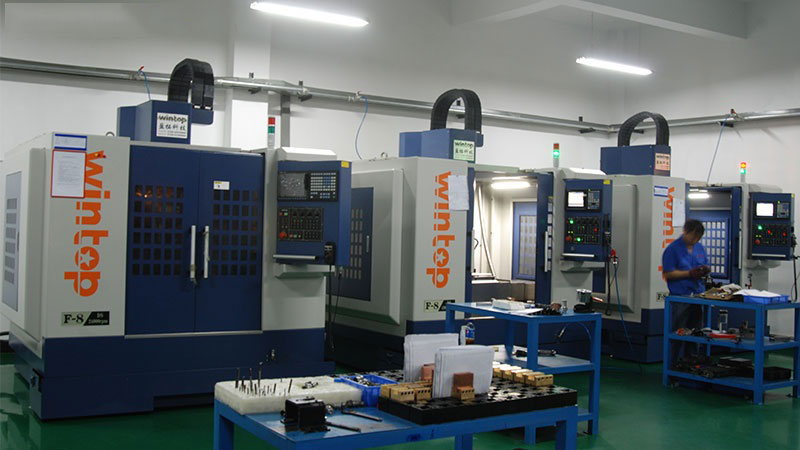
    The answer to “where can I get a plastic mold made” starts with rigorous supplier verification, not just online searches. Begin your procurement journey on major B2B platforms like Alibaba, Made-in-China, and Global Sources. Use specific search terms: “precision injection mold maker,” “plastic mold factory,” or “mold design and manufacturing.” However, treat initial listings as a longlist, not a shortlist. The real work begins with verification. Scrutinize business licenses, years in operation, and export credentials. Demand to see a detailed portfolio with case studies of molds similar in size, complexity, and industry (e.g., automotive, medical, consumer electronics) to your project. A professional China mold factory will readily provide this. Initiate video calls to tour their facility virtually; seeing CNC machines, EDM equipment, and a CMM in the background is more valuable than any sales pitch.

    Once you have a verified shortlist, your focus must shift to technical and commercial clarity to ensure the injection mold meets your exact specifications. The cornerstone of this phase is a comprehensive Request for Quotation (RFQ). Your RFQ should include not just part drawings, but also the mold flow analysis report, desired material (e.g., ABS, PP, POM), expected annual volumes, and critical tolerances. Specify mold steel preferences (such as S136, NAK80, or 718H) and surface finish requirements. This detail prevents misunderstandings and allows for accurate, comparable quotes. Discuss the mold trial and sampling process upfront. A professional supplier will outline a clear schedule for T1 samples, provide a detailed inspection report, and incorporate your feedback into revisions. This collaborative approach during procurement is your first line of defense against costly post-production issues.

    Effective quality control is non-negotiable and must be structured in stages throughout the mold manufacturing process. Do not wait until the final sample to inspect. Insist on critical stage inspections. This typically includes a First Article Inspection after the mold base is machined, a Dimensional Inspection after cavity and core finishing, and a comprehensive T1 Sample Trial Run. Partner with a reputable third-party inspection company based in China for at least the final pre-shipment inspection. They will check for wear resistance, cooling channel efficiency, ejection system function, and most importantly, the dimensions and quality of the plastic parts produced. This objective assessment protects your investment. Furthermore, clarify warranty terms. A confident supplier will offer a 12 to 24-month warranty against manufacturing defects, committing to repair or replace faulty components.

    Building a successful long-term partnership transcends a single transaction. View your chosen China mold factory as a strategic partner in your supply chain. Foster clear, consistent communication. Appointing a single point of contact on both sides streamlines discussions. Be mindful of cultural nuances; patience and clarity are valued. Discuss future needs, such as mold maintenance, storage, and potential modifications for product iterations. A reliable partner will provide transparent cost structures for these services. This relationship-based approach transforms your procurement from a simple vendor purchase into a value-driven alliance, ensuring not just where you get your first plastic mold made, but where you will confidently source all subsequent tooling.

    In conclusion, the question of where can I get a plastic mold made finds its most competitive and capable answer in China’s specialized manufacturing sector, provided you navigate it with a professional 2026 mindset. The process hinges on diligent supplier verification, uncompromising technical communication, staged quality control, and a commitment to partnership. By moving beyond price as the sole criterion and investing effort in these actionable steps, you mitigate risk and unlock the true value proposition: access to world-class injection mold engineering and production. Your journey to a perfect plastic part begins with finding the right mold maker, and with this strategic framework, you are equipped to make that critical choice with confidence.

    Work With Us

    As a professional China mold manufacturer, we provide one-stop mold solution for overseas buyers.
    📞 Phone: +86-18605944639
    💬 WhatsApp: +8618605944639
    🌐 Website: bestmoldworks.com
    📧 Email: [email protected]
  • mold factory: Complete Procurement Guide 2026 | China Mold Factory

    Navigating the landscape of industrial procurement can be a complex endeavor, especially when your goal is to secure high-quality, cost-effective tooling from overseas. For global businesses, partnering with a reliable mold factory in China remains a strategically sound decision to enhance competitiveness. However, the journey from initial inquiry to receiving a perfect injection mold is fraught with potential challenges, from supplier verification to consistent quality control. This guide is designed to cut through the noise and provide overseas buyers with a clear, actionable, and professional roadmap for successful procurement in 2026. We will focus on practical steps to identify, vet, and collaborate with a proficient China mold factory, ensuring your investment translates into durable, precision tooling that meets your exact specifications.

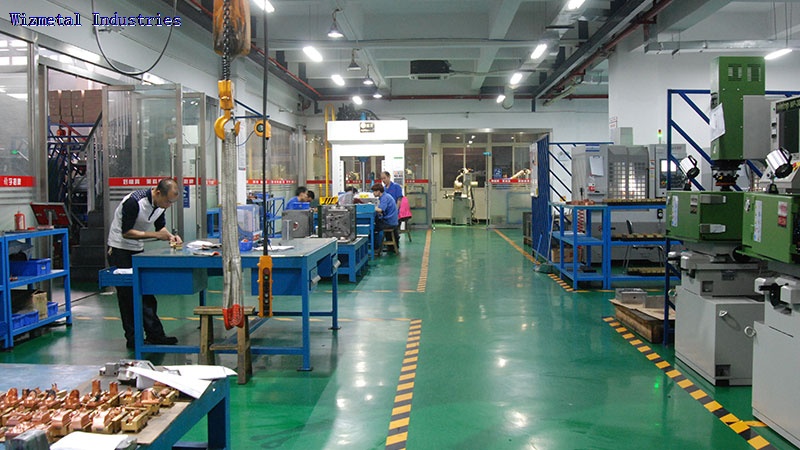
    The foundation of a successful import project lies in meticulous supplier verification. Moving beyond a simple Google search or Alibaba listing is crucial. Begin by shortlisting manufacturers with demonstrable expertise in your specific niche, whether that is automotive injection molds, high-precision medical components, or large-scale structural parts. A credible supplier will readily provide a company profile detailing their machinery, such as CNC, EDM, and CMM capabilities. Request and verify business licenses and, importantly, ask for a portfolio of past projects with client references. In 2026, leveraging video conferencing for a virtual factory tour is a non-negotiable step. This allows you to assess workshop organization, technology level, and working conditions firsthand. Furthermore, utilize professional networks and industry platforms to check for reviews or ask for impartial testimonials. A transparent and communicative mold factory at this stage is a strong indicator of a reliable partnership.

    Once a potential partner is identified, the next critical phase is mastering the technical and commercial quotation process. A professional quotation from a China mold factory should be comprehensive, not merely a bottom-line price. It must itemize costs for mold design, material (specifying steel grade and hardness), cavity count, expected lifespan, surface finish, and all ancillary components like sliders and lifters. Crucially, it should define the approval process, including the submission of 3D mold flow analysis reports and design for manufacturability feedback. For injection mold projects, clarity on who bears the cost and responsibility for mold trials and sample shipments is essential. Do not automatically choose the lowest bid; often, it reflects compromises in material quality, engineering time, or post-sales support. Instead, analyze which quotation offers the best value through a combination of technical understanding, clear communication, and a sensible payment schedule, typically structured across milestones.

    Implementing rigorous quality control protocols is the single most effective way to mitigate risk. Your agreement must explicitly outline quality standards, referencing international systems like ISO 9001 or specific dimensional tolerances per your drawings. Insist on a First Article Inspection report before mass production begins. For critical projects, engaging a trusted third-party quality inspection service within China is a highly recommended investment. These inspectors can conduct pre-shipment inspections, checking critical dimensions, material certificates, surface finishes, and conducting trial runs. Define the quality control checkpoints clearly: a preliminary check after machining, a final inspection before shipment, and specify the procedure for handling non-conformities. A professional mold factory will not view this as distrust but as a sign of your serious commitment to quality, and the best suppliers will have their own robust internal QC processes to complement your checks.

    The final, often underestimated, component of successful procurement is managing logistics, intellectual property, and fostering a long-term relationship. Ensure you understand the Incoterms 2020 agreed upon, as this dictates responsibilities for shipping, insurance, and customs clearance. Work with your supplier or a freight forwarder to ensure proper packaging for heavy, precision tooling to prevent transit damage. Regarding intellectual property, a formal Non-Disclosure Agreement and a contract stipulating IP ownership are mandatory before sharing any design files. Viewing your chosen China mold factory as a strategic partner rather than a one-off vendor yields significant long-term benefits. A successful initial project for an injection mold builds mutual understanding and trust, leading to faster turnaround times, priority service, and collaborative problem-solving on future projects. Consistent communication and fair dealings are the bedrock of this partnership.

    In conclusion, importing molds from China in 2026 demands a structured, informed approach that prioritizes due diligence and clear communication. The journey involves systematically verifying your mold factory partner, deciphering quotations with a technical eye, enforcing unwavering quality control measures, and strategically managing the partnership for longevity. By treating the procurement process as a professional collaboration, overseas buyers can fully leverage the advanced manufacturing capabilities, technical expertise, and cost efficiencies that a reputable China mold factory offers. The result is not just a piece of tooling, but a valuable asset that drives your production efficiency and product quality for years to come, solidifying your competitive edge in the global marketplace.

    Work With Us

    As a professional China mold manufacturer, we provide one-stop mold solution for overseas buyers.
    📞 Phone: +86-18605944639
    💬 WhatsApp: +8618605944639
    🌐 Website: bestmoldworks.com
    📧 Email: [email protected]
  • custom injection molding near me: Expert Tips & Soluti 2026

    For overseas buyers, the search for “custom injection molding near me” often leads to a critical crossroads: opting for local, higher-cost manufacturing or navigating the complex but rewarding path of importing from China. While a local supplier offers proximity, the advantages of partnering with a specialized China mold factory for your injection mold needs are compelling, including significant cost savings, vast technical expertise, and scalable production capacity. However, the journey from concept to receiving high-quality parts at your dock involves nuanced steps. This guide provides expert, actionable solutions for 2026, designed to help you procure molds and parts from China with confidence, mitigating risks and ensuring a successful partnership.

    The foundational step in your procurement journey is moving beyond basic online directories to a targeted supplier verification process. In 2026, a manufacturer’s digital footprint is a key indicator of their capability and professionalism. Start by scrutinizing detailed case studies on their website that match your industry and part complexity. Utilize video platforms to find factory walkthroughs; a genuine look at the shop floor, the organization of machines, and the working environment is invaluable. Furthermore, leverage professional networking sites to check for employee profiles and company activity. The goal is to create a shortlist of suppliers who not only claim to make injection molds but can demonstrably prove a history of projects similar to yours. This pre-qualification saves immense time and filters out intermediaries posing as factories.

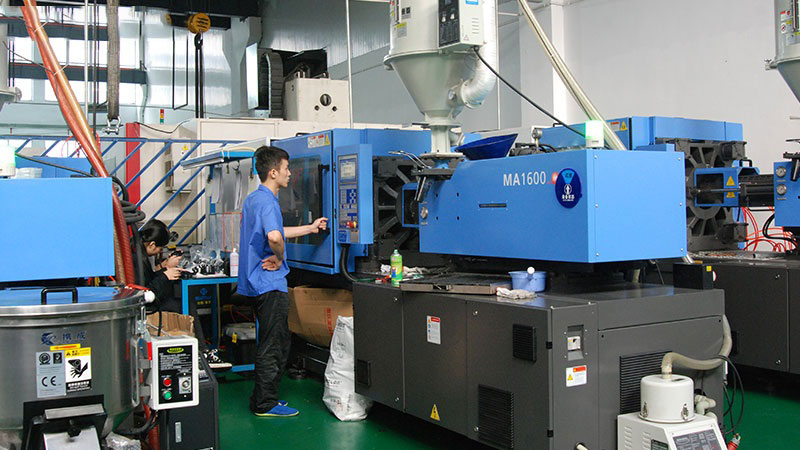
    Once you have a shortlist, technical communication becomes your most powerful tool for quality control. The era of vague email requests is over. To ensure precision, you must provide a comprehensive request for quotation (RFQ) package. This should include not just 3D CAD files (STEP or IGS format) but also a detailed technical specification sheet. This sheet must cover material type, color, critical dimensions and tolerances, surface finish requirements, part volume projections, and any relevant industry standards. Initiating a video conference to discuss this package is crucial. Present your drawings and ask specific questions about their proposed mold flow analysis, gate location, cooling channel design, and ejection strategy. A competent China mold factory will engage deeply on these technical points, offering suggestions and highlighting potential challenges. This dialogue separates true engineering partners from mere order-takers.

    The financial and legal framework of your engagement requires meticulous attention. While competitive pricing is a major driver, understanding the cost structure is essential. A professional quotation should break down costs for the mold (tooling) and the piece-part price separately. Be wary of suspiciously low tooling costs, as this often signals inferior steel or workmanship that will fail prematurely. For payment terms, the standard 50% deposit with 50% before shipment remains common, but for larger orders, negotiating a 30/40/30 or 40/50/10 structure (with a portion payable after pre-shipment inspection) can share risk more equitably. Always use secure payment methods like bank transfers with verifiable company details. Furthermore, a formal, detailed contract is non-negotiable. It should specify intellectual property ownership, confidentiality clauses, delivery timelines, quality acceptance criteria (based on provided samples), and protocols for handling defects or delays.

    Proactive quality control, integrated throughout the production cycle, is your primary defense against costly surprises. Do not wait until the container is loaded to think about inspection. Insist on a First Article Inspection (FAI) report with dimensional results and photos once initial samples are produced from the approved mold. For ongoing production, define a clear Inspection and Test Plan (ITP). Depending on order volume and criticality, this may involve you or a hired third-party inspection agency conducting During Production Inspection (DPI) and Final Random Inspection (FRI) at the factory. The inspection should check not just the parts, but also the condition of the injection mold itself. In 2026, many reputable suppliers offer live video feeds of key inspection points or use quality management platforms where inspection data and photos are uploaded in real-time. This transparency is a hallmark of a reliable partner.

    Finally, view the partnership with your chosen Chinese injection mold supplier as a strategic, long-term relationship. Successful procurement is not a transactional event but a collaborative process. Plan for regular communication, not just when problems arise. Discuss their capacity for future mold maintenance, repair, and storage. A forward-thinking partner will help you plan for design iterations and production scaling. Building this relationship transforms your supplier into an extension of your own engineering and production team. For an overseas buyer, this reliable, transparent, and technically adept partnership ultimately fulfills the true intent behind searching for “custom injection molding near me”—finding a responsive, quality-driven manufacturing solution that delivers value and competitive advantage directly to your business, regardless of geographic distance.

    In conclusion, importing custom injection molds from China in 2026 demands a strategy built on diligent verification, technical rigor, contractual clarity, embedded quality control, and relationship management. By implementing these expert solutions, you transform the perceived complexity of overseas procurement into a structured, manageable, and highly advantageous process. The result is access to world-class manufacturing capabilities that drive innovation and profitability, making the global supply chain a powerful asset for your business growth.

    Work With Us

    As a professional China mold manufacturer, we provide one-stop mold solution for overseas buyers.
    📞 Phone: +86-18605944639
    💬 WhatsApp: +8618605944639
    🌐 Website: bestmoldworks.com
    📧 Email: [email protected]
  • custom injection mold: Ultimate Guide for Buyers 2026

    For product developers and manufacturing managers worldwide, sourcing a custom injection mold represents a critical and substantial investment. It is the foundational step that determines the quality, cost, and speed of your entire plastic parts production. China remains the global epicenter for mold manufacturing, offering unparalleled expertise, technological advancement, and competitive pricing. However, navigating this complex landscape requires more than just finding the lowest quote. This ultimate guide for 2026 is designed to provide overseas buyers with a professional, actionable framework for a successful procurement journey, helping you mitigate risks and secure a high-quality custom injection mold that meets your exact specifications.

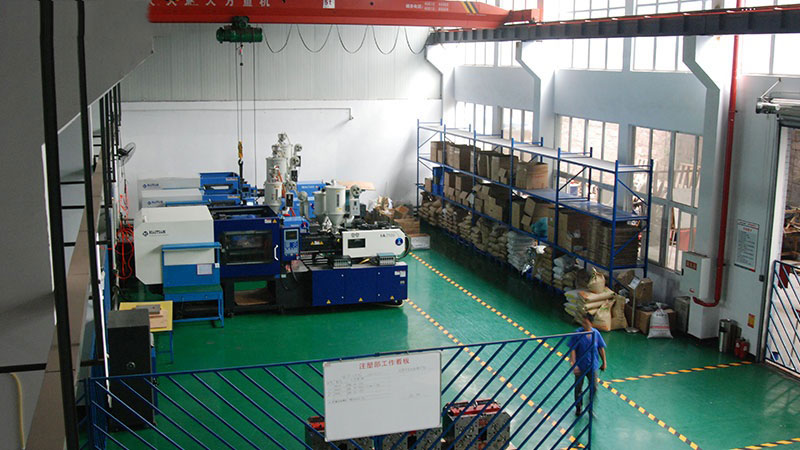
    The cornerstone of a successful project lies in selecting the right China mold factory. The initial search will yield hundreds of options, making verification paramount. Move beyond Alibaba listings and delve into deeper due diligence. First, verify business licenses and export credentials. A professional supplier will readily provide this. Next, request a detailed company profile that outlines their specific capabilities. Crucially, not all factories are equal. Some specialize in small, precision molds for medical devices, while others excel in large, multi-cavity molds for automotive components. Ensure their niche aligns with your project’s technical demands. In 2026, leverage video conferencing for a virtual factory tour. Insist on seeing their machining centers, EDM equipment, and quality control lab in real-time. This step alone can filter out trading companies posing as manufacturers and give you genuine insight into their operational scale and technological level.

    Once you have shortlisted potential partners, the procurement process hinges on crystal-clear technical communication. The most common cause of mold failure is ambiguous or incomplete specifications. Develop a comprehensive Request for Quotation document. This should include not just part drawings, but also a detailed mold specification sheet. Specify the mold base standard, cavity and core material grade, surface finish requirements, cooling channel layout, and ejection system design. Clearly state your expected production volume, as this dictates the mold steel selection and hardness requirements. Discuss and agree upon a milestone-based payment schedule linked to tangible deliverables, such as approval of mold design, completion of steel cutting, first trial report, and final sample approval. This structured approach protects both parties and ensures alignment throughout the build process.

    Supplier verification extends into active project management and quality control. Appointing a single point of contact on both your team and the supplier’s side is essential. Require regular progress updates with photos and videos at each key stage. For critical projects, consider engaging a local third-party inspection agency in China to conduct pre-shipment inspections. They can verify steel hardness, cavity dimensions, and the functionality of the mold before it leaves the factory. Furthermore, the initial Trial Shot Report is a critical document. It should include data on process parameters, part dimensions, and pictures of the samples. Do not approve mass production until you have physically received and tested these first articles. This phase is your final opportunity to catch and rectify any issues before the custom injection mold is shipped, saving significant cost and delay.

    Finally, a forward-thinking strategy looks beyond the initial purchase. A reliable China mold factory is a long-term partner. Discuss post-sales support upfront. What is their policy on mold modification if your part design has a minor change? How do they handle wear and tear or damage over the mold’s lifespan? Understanding their maintenance services and lead times for repairs is crucial for your production planning. In 2026, leading manufacturers are also offering digital twins and full mold lifecycle management. While not essential for every project, these services indicate a supplier invested in technological innovation and long-term client relationships. Building this partnership based on transparency and mutual success transforms a single transaction into a valuable asset for your supply chain.

    Securing a high-quality custom injection mold from China in 2026 is a systematic process that rewards diligence and clear communication. It transcends simple price comparison, demanding thorough supplier verification, meticulous technical specification, proactive quality control, and a partnership mindset. By implementing the actionable steps outlined in this guide, overseas buyers can confidently navigate the procurement landscape. You will be equipped to select a capable China mold factory, manage the injection mold development process effectively, and ultimately take possession of a precision tool that delivers consistent, high-quality plastic parts for years to come, providing a solid competitive advantage for your business.

    Work With Us

    As a professional China mold manufacturer, we provide one-stop mold solution for overseas buyers.
    📞 Phone: +86-18605944639
    💬 WhatsApp: +8618605944639
    🌐 Website: bestmoldworks.com
    📧 Email: [email protected]
  • create custom moulds: Ultimate Guide for Buyers 2026

    For businesses worldwide, the decision to create custom moulds is a pivotal step in product development, enabling innovation, differentiation, and cost-effective manufacturing. China remains the global epicenter for mold manufacturing, offering unparalleled expertise, technological advancement, and economies of scale. However, navigating this complex landscape as an overseas buyer presents unique challenges, from supplier verification to ensuring consistent quality. This definitive 2026 guide is designed to cut through the noise, providing you with a professional, actionable framework for successfully importing high-quality custom moulds from China.

    The foundation of a successful project lies in selecting the right China mold factory. This step is far more critical than simply comparing price quotes. Begin with a thorough technical assessment. Reputable manufacturers will have a portfolio showcasing their experience with materials and industries relevant to your project. In 2026, prioritize factories that demonstrate proficiency in advanced manufacturing techniques, such as high-speed machining, EDM (Electrical Discharge Machining), and the use of quality mold steels like P20, H13, or S136. Do not hesitate to request a virtual or recorded factory tour to inspect their equipment, workshop organization, and cleanliness. A key part of supplier verification is direct communication with their engineering team. Discuss your part design early; a competent factory will offer Design for Manufacturability (DFM) feedback to optimize your product for the injection mold process, potentially saving you significant cost and future headaches.

    Once a potential partner is identified, a rigorous procurement and contracting phase is essential. Your Request for Quotation (RFQ) must be exceptionally detailed. Include comprehensive 3D drawings (STEP or IGS files), 2D technical drawings with critical dimensions and tolerances clearly marked, material specifications for the final plastic part, and expected annual volumes. A professional quote should break down costs for mold design, mold base, cavity and core machining, trials, and post-processing. Crucially, define the mold trial process. Specify how many trial shots are included, who covers the material cost for trials, and the protocol for submitting trial samples for your approval. The contract should explicitly outline milestones, payment terms (e.g., 30% deposit, 40% after T1 sample approval, 30% before shipment), and most importantly, intellectual property (IP) protection clauses confirming that your design and mold belong solely to your company.

    Proactive quality control is non-negotiable and must be integrated from the start. Do not assume quality will be managed solely at the final inspection stage. Implement a staged QC protocol. First, insist on First Article Inspection (FAI) reports after the initial mold trials. These should include dimensional inspection results using CMM (Coordinate Measuring Machine) data, photographs, and actual sample parts shipped to you for hands-on verification. For the injection mold itself, require material certificates for the steel and a record of mold flow analysis if applicable. For ongoing production, define the Acceptable Quality Level (AQL) for part inspections. Depending on your budget and the project’s criticality, consider engaging a reputable third-party quality inspection firm in China for pre-shipment inspections during both the T1 sample stage and before bulk production molds are shipped. This independent verification provides an objective assessment of workmanship and conformity to your specifications.

    Effective project management and communication are the glue that holds the entire process together. Overcome the barriers of distance, language, and time zones by establishing clear communication channels. Use tools like WeChat or WhatsApp for daily updates, coupled with weekly scheduled video conferences using Zoom or Teams to review progress with both sales and engineering contacts. Assign a single point of contact on your side to consolidate all communication and feedback. During the design and trial phases, maintain a detailed log of all comments and change requests. When reviewing trial samples, provide clear, annotated feedback—videos pointing to specific issues are more effective than lengthy emails. Remember, the goal is to build a partnership, not just a transactional relationship. A collaborative approach where the China mold factory feels invested in your project’s success will yield far better results than an adversarial one.

    In conclusion, to successfully create custom moulds in China in 2026, overseas buyers must adopt a strategic, hands-on approach that prioritizes technical due diligence, contractual clarity, and embedded quality control. The journey from concept to a precision tool in your possession demands more than finding the lowest bidder; it requires partnering with a verified, communicative, and technically capable China mold factory. By following this guide—meticulously verifying suppliers, managing the procurement process with detail, enforcing rigorous quality checks, and fostering transparent communication—you transform the inherent complexities of overseas import into a competitive advantage. This disciplined framework empowers you to secure not just a mold, but a reliable foundation for your product’s quality and manufacturing success for years to come.

    Work With Us

    As a professional China mold manufacturer, we provide one-stop mold solution for overseas buyers.
    📞 Phone: +86-18605944639
    💬 WhatsApp: +8618605944639
    🌐 Website: bestmoldworks.com
    📧 Email: [email protected]
  • mold Manufacturerturer: Best Suppliers & Quality Cont 2026

    For overseas buyers, sourcing precision tooling from China represents a significant opportunity for cost efficiency and advanced manufacturing capability. However, the journey from identifying a potential partner to receiving a flawless mold is fraught with challenges. Vetting the best China mold factory requires a strategic approach to supplier verification and rigorous quality control protocols. This guide for 2026 cuts through the noise, offering actionable strategies to navigate the procurement landscape and secure a partnership with a reliable mold manufacturer that delivers on both promise and precision.

    The cornerstone of successful procurement is thorough supplier verification. Moving beyond Alibaba listings and basic websites is non-negotiable. Begin by shortlisting potential suppliers and then conduct a multi-layered audit. First, verify business licenses and export credentials. Second, request and scrutinize a detailed company profile that outlines their specific expertise, whether in automotive-grade injection molds, high-cavitation systems, or consumer product tooling. Third, and most critically, insist on a live video audit of their facility. A reputable China mold factory will readily agree to a virtual tour, allowing you to assess their machinery (look for Swiss, German, or Japanese CNC, EDM, and milling equipment), workshop organization, and in-house capabilities. This step alone filters out trading companies masquerading as manufacturers and reveals the true operational scale.

    Once a technically capable supplier is identified, defining and controlling quality becomes the paramount task. Do not assume standards are universally understood. Your technical package must be exhaustive, including not just 3D CAD files but also a comprehensive Design for Manufacturability (DFM) report, agreed-upon steel grades (with material certificates), surface finish specifications (SPI/VDI standards), and critical tolerance zones. For injection mold projects, specify requirements for hot runner systems, cooling channel layouts, and venting. Implement a staged inspection and payment plan tied to key milestones: a 20-30% deposit, a progress payment after First Article Inspection (FAI) of the mold frame and core/cavity blocks, and the balance only after a successful Trial Run Report (T1) with sample parts and full dimensional results. Engaging a trusted third-party quality inspection firm in China for the pre-shipment audit is a wise investment to provide an unbiased assessment before the mold leaves the factory.

    Clear communication and contractual foresight are your primary defenses against cost overruns and project delays. Language barriers and technical misinterpretations are common pitfalls. Insist on a dedicated project manager with proficient English and technical vocabulary on the supplier side. All communications regarding design changes, material substitutions, or timeline adjustments must be documented in writing. The contract should explicitly detail payment terms, milestone deadlines, warranty periods (typically 12-18 months), and responsibilities for repair or maintenance. Crucially, address intellectual property (IP) protection upfront. A professional mold manufacturer will sign Non-Disclosure Agreements (NDAs) and outline IP clauses in the contract, confirming that your design and tooling remain your exclusive property. This formal framework aligns expectations and provides legal recourse, though the goal is always a transparent partnership that avoids such necessities.

    The final, often underestimated phase is planning for the mold’s lifecycle. Your relationship with the supplier should not end at shipment. Discuss and agree on post-sales support, including the process for handling wear parts, minor repairs, and potential design modifications for future product iterations. A forward-thinking China mold factory will maintain backup electrodes or even a full set of spare components for critical molds. Furthermore, understand the logistics chain—packaging standards for ocean freight, customs documentation, and Incoterms (FOB is standard). Choosing a supplier with experience in exporting to your region ensures they handle export declarations correctly, preventing costly delays at port. This end-to-end perspective transforms a transactional purchase into a strategic, long-term asset for your production.

    Securing a partnership with a top-tier mold manufacturer in China is a deliberate process of verification, specification, and communication. By implementing rigorous supplier audits, enforcing structured quality control checkpoints, formalizing agreements, and planning for the tool’s entire lifecycle, overseas buyers can mitigate risks and unlock the immense value of Chinese mold making. The landscape in 2026 demands this professional diligence, turning the challenge of distance into an advantage of expertise and efficiency. The goal is not just to import a mold, but to establish a reliable extension of your engineering and production team overseas.

    Work With Us

    As a professional China mold manufacturer, we provide one-stop mold solution for overseas buyers.
    📞 Phone: +86-18605944639
    💬 WhatsApp: +8618605944639
    🌐 Website: bestmoldworks.com
    📧 Email: [email protected]

  • injection mold factory: Complete Procurement Guide 2026

    For overseas buyers, sourcing precision tooling is a critical path to product innovation and cost efficiency. China remains the global epicenter for mold manufacturing, offering unparalleled expertise and scalability. However, navigating the vast landscape of suppliers to find a reliable injection mold factory requires a strategic, informed approach. This guide is crafted for procurement professionals, engineers, and entrepreneurs looking to import high-quality molds from China in 2026. We move beyond basic directories to provide a structured, actionable framework for supplier identification, verification, and collaboration, ensuring your project’s success from quotation to production.

    Conducting Precise Supplier Discovery and Shortlisting

    The initial search phase sets the trajectory for your entire project. In 2024, generic searches are obsolete. Begin by defining your technical specifications in detail: part material, expected annual volumes, cavity requirements, tolerance levels, and surface finish (SPI standards). This clarity allows you to target specialized China mold factories rather than general workshops. Utilize advanced filters on B2B platforms like Made-in-China.com or Global Sources to narrow by factory size, certification (ISO 9001 is a baseline), and proprietary capabilities like hot runner systems or rapid prototyping. Industry-specific trade shows, such as Chinaplas or the Dongguan International Mold & Metal Exhibition, offer invaluable, albeit virtual or in-person, opportunities to assess technological prowess firsthand. Remember, a professional injection mold factory will have a portfolio showcasing complex projects, not just simple commodity molds.

    Executing Rigorous Supplier Verification and Assessment

    Once a shortlist is created, deep due diligence is non-negotiable. Supplier verification in 2026 extends beyond a website and a quote. First, verify business legitimacy through official Chinese business registration checks. Request a virtual factory tour; a reputable supplier will readily conduct a live video walkthrough of their CNC machining centers, EDM equipment, and quality control lab. Scrutinize their engineering team’s structure—ask about the experience level of project managers and mold designers. Crucially, contact and speak to their existing overseas clients. Ask specific questions about communication responsiveness, problem-solving during tool trials, and post-sales support. An ethical China mold factory understands this process and will provide references. This step mitigates the paramount risk of partnering with a trading company misrepresenting itself as a manufacturer.

    Mastering Technical Communication and RFQ Process

    The Request for Quotation (RFQ) is where professional procurement separates from casual inquiry. To obtain comparable and accurate quotes, your RFQ package must be comprehensive. Include a detailed 3D part file (STEP or IGS), 2D drawings with critical dimensions and tolerances clearly marked, material specifications, and expected production cycle time. Specify mold base standards (DME, HASCO, or LKM) and expectations for mold flow analysis before manufacturing begins. During discussions, insist on a designated, English-competent project engineer as your single point of contact. Discuss and agree upon a milestone-based payment schedule (e.g., 30% deposit, 40% after T1 sample approval, 30% before shipment). Clear, documented technical communication at this stage prevents costly misunderstandings and establishes a foundation for a professional partnership with your chosen injection mold factory.

    Implementing Proactive Quality Control and Project Management

    Passive waiting for shipment is a high-risk strategy. Proactive, staged quality control is essential. Define and agree on a Quality Control Plan before order confirmation. This should include at least three critical inspection points: First Article Inspection (FAI) of mold components, T1 sample evaluation with a detailed inspection report (CMM data, color charts for surface finish), and a final pre-shipment audit. For high-value molds, engaging a trusted third-party quality inspection service in China for the T1 sample and final inspection is a wise investment. They provide an unbiased report on mold dimensions, functionality, and part quality. Furthermore, maintain a shared project timeline with weekly updates. Use collaborative tools for sharing inspection videos, photos, and reports. Effective project management ensures you are not just buying a mold, but a validated production-ready asset.

    Navigating Logistics, IP Protection, and Long-Term Partnership

    The final stage encompasses legal and logistical foresight. For Intellectual Property (IP) protection, a well-drafted Non-Disclosure Agreement (NDA) and Product Development Agreement (PDA) under Chinese law, reviewed by a local legal expert, are more effective than vague worries. Regarding logistics, decide between EXW, FOB, or CIF terms with a clear understanding of responsibilities. For delicate, high-precision molds, professional crating and insurance are mandatory. Upon mold reception, have your production team conduct an acceptance test. A reliable supplier will offer a reasonable warranty period (typically 12-18 months) against manufacturing defects. View successful procurement not as a transaction but as the initiation of a long-term partnership. A trustworthy China mold factory becomes an extension of your R&D and production team, facilitating future projects and design iterations with greater efficiency and trust.

    Conclusion

    Importing injection molds from China in 2026 demands a blend of meticulous preparation, technological understanding, and strategic relationship management. The journey from supplier discovery to a mold producing perfect parts in your facility is paved with disciplined verification, unambiguous communication, and relentless quality oversight. By adopting the structured approach outlined in this guide—focusing on deep supplier assessment, technical clarity, staged inspections, and legal preparedness—overseas buyers can significantly de-risk their procurement process. The goal is to transform the inherent complexity of international mold sourcing into a competitive advantage, securing not just a tool, but a high-quality, cost-effective manufacturing solution that drives product success for years to come.

    Work With Us

    As a professional China mold manufacturer, we provide one-stop mold solution for overseas buyers.
    📞 Phone: +86-18605944639
    💬 WhatsApp: +8618605944639
    🌐 Website: bestmoldworks.com
    📧 Email: [email protected]

  • Custom silicone molds for resin: Complete Procurement 2026

    For overseas entrepreneurs and businesses in the resin art, candle making, and craft industries, the ability to source high-quality, custom silicone molds for resin is a direct competitive advantage. As we look toward 2026, the procurement landscape is evolving. While China remains the global hub for manufacturing these essential tools, a successful import strategy requires more than just finding a low price. This guide provides a complete, professional framework for navigating the procurement of custom silicone molds from China in 2026, focusing on actionable steps to mitigate risk and ensure product excellence.

    The foundation of any successful import project is thorough supplier verification. The term “China mold factory” encompasses a vast range of operations, from sophisticated facilities with engineering teams to small workshops. Your first task is to move beyond Alibaba listings. In 2026, due diligence is digital and multi-faceted. Begin by verifying business licenses through official Chinese platforms. Request and scrutinize a detailed company profile that outlines their specific experience with silicone, not just general injection mold production. The most critical step is to conduct live video audits. Insist on a real-time factory tour via video call. This allows you to assess their workshop cleanliness, see their silicone mixing and degassing equipment, observe their quality control processes firsthand, and gauge their operational professionalism. This step alone will filter out unqualified suppliers and build a foundation of transparency.

    Once a potential partner is verified, the focus shifts to precision in design and prototyping. A common and costly mistake is proceeding directly to mass production from a simple sketch. For custom silicone molds for resin, the design phase is paramount. Reputable manufacturers will have engineering teams that can convert your concept or 3D file into a manufacturable mold design, considering factors like draft angles, proper venting for air escape, and the optimal durometer (hardness) of the silicone for your specific resin type. Always insist on a physical prototype sample before authorizing the production of your master mold. Evaluate this sample for dimensional accuracy, surface finish (is it glossy, matte, flaw-free?), and functionality—does it demold cleanly? This stage is your opportunity to catch and correct issues when the cost of change is minimal, preventing bulk shipments of unusable products.

    Quality control is the non-negotiable pillar of importing. In 2026, proactive and documented QC is the standard, not an option. Do not rely on the supplier’s final inspection alone. Your agreement should specify key quality parameters: silicone material grade (food-safe, platinum-cure vs. tin-cure), tear strength, shrinkage rate, and absence of surface defects like bubbles or imperfections. For larger orders, hiring a third-party inspection company to conduct an in-process check during production and a pre-shipment inspection is a wise investment. They will check a statistical sample against your approved prototype and product specifications, providing an unbiased report. This process protects your capital and brand reputation. Remember, a reliable China mold factory will welcome and facilitate such inspections, viewing them as a sign of a serious, long-term partner.

    Navigating logistics and building a partnership for 2026 requires strategic thinking. Understand the Incoterms in your quotation. Ex-Work, FOB, or DDP have significant implications for cost, control, and risk. For initial orders, many buyers opt for FOB, giving them control over choosing their freight forwarder. Discuss packaging explicitly—silicone molds must be packed to avoid deformation during transit. Looking ahead, view your procurement not as a transaction but as a partnership. A trustworthy supplier for your custom silicone molds for resin can become an asset for future product development. Communicate clearly, pay fairly (the cheapest option is often the most expensive in the long run), and provide constructive feedback. This fosters a relationship where the supplier is invested in your success, potentially offering better pricing, priority production slots, and collaborative problem-solving for new designs.

    The complete procurement journey for custom silicone molds from China in 2026 is defined by informed diligence and partnership. It moves from digital verification and rigorous prototyping to ironclad quality control and strategic logistics. By mastering these steps—vetting your China mold factory with modern tools, validating design through prototypes, enforcing stringent quality measures, and fostering transparent communication—you transform the complex import process into a streamlined pipeline for innovation. This approach ensures that the molds you receive are not merely commodities but precision tools that empower your creative or commercial ventures, delivering consistent quality to your end-customers and securing your supply chain for the future.

    Work With Us

    As a professional China mold manufacturer, we provide one-stop mold solution for overseas buyers.
    📞 Phone: +86-18605944639
    💬 WhatsApp: +8618605944639
    🌐 Website: bestmoldworks.com
    📧 Email: [email protected]

  • Mold customization online: Reliable Manufacturers Guide 2026

    For overseas buyers, the prospect of importing molds from China presents a compelling value proposition: access to advanced manufacturing capabilities, significant cost advantages, and scalable production. However, the journey from a digital concept to a physical, precision mold arriving at your warehouse is fraught with potential pitfalls. Navigating the landscape of countless China mold factory options can be daunting. This guide for 2026 cuts through the noise, offering a professional, actionable framework for leveraging online platforms to secure a reliable partner for your injection mold or other tooling needs. We move beyond simple supplier lists to solve the real problems of verification, communication, and quality assurance in a digital procurement environment.

    Mastering Digital Supplier Verification and Vetting

    The first and most critical step in mold customization online is rigorous supplier verification. A professional website is merely a starting point. In 2026, due diligence must be deeper. Begin by verifying business licenses (via platforms like Tianyancha) and cross-referencing the company’s claimed history with its digital footprint. Look for detailed case studies, not just glossy images. A reliable manufacturer will showcase complex projects, often with videos of the mold in operation or close-ups of finished parts. Pay close attention to their specialization; a factory proficient in large automotive injection molds may not be the best fit for micro-medical components. Utilize video call platforms to request virtual factory tours in real-time. Observe the shop floor organization, the brands of machining centers (e.g., DMG Mori, GF Machining Solutions), and the presence of quality control stations. This digital “walk-through” is your strongest tool for initial verification before any commitment is made.

    Defining Specifications and Managing the Quotation Process

    Clarity is the currency of successful mold customization online. Ambiguity in specifications leads to cost overruns, delays, and subpar tools. Prepare a comprehensive Request for Quotation (RFQ) package. This must include: detailed 3D part files (STEP or IGS), 2D drawings with critical dimensions and tolerances clearly called out, material specifications for both the mold (e.g., P20, H13, S136) and the final part (e.g., ABS, PP, POM), expected annual volumes, and cosmetic requirements (e.g., SPI finish standards). When you receive quotations, analyze them beyond the bottom line. A professional quote will break down costs for mold base, cavity and core machining, hot runner system (if applicable), surface treatments, and a clear timeline with milestones. Beware of quotes that are suspiciously low; they often indicate the use of inferior steel, outdated machining, or hidden costs. Use this stage to gauge communication efficiency—a supplier asking insightful technical questions is a positive sign.

    Implementing Proactive and Structured Quality Control

    Quality control cannot be an afterthought; it must be engineered into the process from day one. For overseas buyers, physical presence during production is often impossible, making structured remote QC essential. Insist on a staged inspection protocol tied to payment milestones. Key stages include: a Design for Manufacturability (DFM) report, material certification for the mold steel, first article inspection (FAI) reports from the machined mold components, and a comprehensive sample approval process. For critical inspection points like cavity dimensions and surface finish, demand high-resolution photos and videos with precision gauges (calipers, micrometers, CMM reports) clearly visible in the frame. Many reputable China mold factories now offer third-party inspection services (e.g., SGS, Bureau Veritas) at the buyer’s cost, providing an impartial audit. For injection mold projects, the trial report and samples from the mold trial are non-negotiable deliverables. They are the ultimate proof of the tool’s functionality.

    Navigating Logistics, IP Protection, and After-Sales Support

    Securing the physical mold is only part of the challenge. A reliable partner provides a seamless transition from factory floor to your production line. Discuss Incoterms 2020 explicitly—FOB Shanghai is common, but understand exactly where responsibility transfers. Ensure the supplier has experience in packaging molds for overseas shipping, using proper desiccants and rust prevention. Intellectual Property (IP) protection remains a paramount concern. A professional contract with a clear IP clause is mandatory. Additionally, work with manufacturers who demonstrate professionalism by not publicly showcasing your proprietary designs without permission. Finally, clarify after-sales support. What is the warranty period for workmanship and materials? How are repair or maintenance requests handled? Will they provide spare part drawings or maintenance guides? A supplier confident in their quality will offer clear, written after-sales terms.

    Conclusion

    The landscape for importing molds from China in 2026 is one of immense opportunity tempered by the need for disciplined, digital-first procurement strategies. Success in mold customization online is not about finding the cheapest supplier, but about identifying the most reliable and communicative partner. By mastering digital verification, demanding specification clarity, implementing staged quality control, and securing comprehensive logistics and support terms, you mitigate the inherent risks of distance. This transforms the process from a daunting gamble into a strategic, value-driven component of your supply chain. The reliable China mold factory for your project is out there; approaching your search with this structured, professional methodology will ensure your investment results in a high-quality tool that drives your product’s success for years to come.

    Work With Us

    As a professional China mold manufacturer, we provide one-stop mold solution for overseas buyers.
    📞 Phone: +86-18605944639
    💬 WhatsApp: +8618605944639
    🌐 Website: bestmoldworks.com
    📧 Email: [email protected]

  • custom plastic injection mold Manufacturerturer: Ulti 2026

    For overseas businesses, sourcing a custom plastic injection mold manufacturer is a critical strategic decision that directly impacts product quality, time-to-market, and overall profitability. China remains the global epicenter for mold manufacturing, offering unparalleled expertise, scalability, and cost efficiency. However, navigating this complex landscape requires more than just finding the lowest quote. This 2026 guide is designed to cut through the noise and provide you with actionable, professional strategies to successfully partner with a reliable China mold factory, ensuring your injection mold procurement is a seamless and successful venture.

    The cornerstone of any successful import project is rigorous supplier verification. In 2026, this goes far beyond checking a company’s website. Start with a deep due diligence process. Verify the supplier’s business license via official Chinese platforms and check their registered capital as a basic indicator of scale. Crucially, insist on a virtual or, ideally, an in-person factory audit. A reputable custom plastic injection mold manufacturer will readily facilitate a video tour, allowing you to assess their machinery (look for modern CNC, EDM, and CMM equipment), workshop organization, and in-house capabilities. Scrutinize their project portfolio for molds similar in size, complexity, and industry to yours. Furthermore, request and contact past overseas clients for unbiased references. This step, while time-consuming, is your primary defense against underqualified partners and mitigates significant downstream risks.

    Once a potential partner is vetted, mastering the technical and commercial dialogue is paramount. The clarity of your Request for Quotation (RFQ) dictates the accuracy of the response. Provide a comprehensive package including a 3D part design (STEP or IGS format), detailed material specifications, expected annual volumes, and a target part cost. For the mold itself, discuss and agree upon critical specifications upfront: mold life expectancy (number of shots), cavity count, steel grade (such as pre-hardened 718H or corrosion-resistant S136), surface finish requirements, and cooling channel design. A professional China mold factory will engage in a Design for Manufacturability (DFM) review, offering suggestions to simplify the mold structure, improve part quality, and reduce cost. Treat this collaborative phase as a key indicator of their engineering prowess and willingness to be a true partner, not just a order-taker.

    Proactive and structured quality control is non-negotiable. The most common mistake is deferring all QC until the final inspection. Instead, implement a staged inspection protocol. Key milestones should include a review of the mold flow analysis report, approval of mold base and core/cavity steel material certificates, and a critical First Article Inspection (FAI) after the T1 sample mold trial. During T1, the focus should be on dimensional accuracy (verified against your CAD data with a CMM report), part functionality, and appearance. Do not approve mass production based on hand-modified samples; the mold must be capable of producing consistent, good parts. For high-volume or critical projects, consider engaging a third-party quality inspection firm within China for the pre-shipment audit. This independent verification provides an additional layer of security and ensures the injection mold meets all agreed-upon standards before it leaves the factory.

    Navigating logistics, intellectual property (IP) protection, and the total cost of ownership are the final, crucial steps. Work with your chosen custom plastic injection mold manufacturer to understand Incoterms clearly—typically EXW, FOB, or CIF. For molds, secure shipping with adequate insurance is essential. Regarding IP, while Chinese law offers protection, practical steps are more effective. Sign a comprehensive Non-Disclosure Agreement (NDA) tailored to Chinese jurisdiction. Consider compartmentalizing the design; you might provide critical dimensions while the supplier handles non-critical detailing. Finally, analyze the total cost, not just the mold price. Factor in per-part cost, maintenance, potential spare components, and the supplier’s responsiveness for future modifications. A slightly higher initial investment in a reliable partner often yields a far lower total cost and fewer headaches over the mold’s lifespan.

    Successfully importing an injection mold from China in 2026 is a systematic process built on verification, clear communication, controlled quality, and strategic partnership. By moving beyond price-centric selection and investing effort in these foundational areas, you transform your procurement from a transactional risk into a competitive advantage. The right manufacturer becomes an extension of your engineering team, capable of delivering precision, reliability, and value that fuels your product’s success in the global market. Start your next project with this disciplined approach, and you will unlock the true potential that a professional China mold factory partnership offers.

    Work With Us

    As a professional China mold manufacturer, we provide one-stop mold solution for overseas buyers.
    📞 Phone: +86-18605944639
    💬 WhatsApp: +8618605944639
    🌐 Website: bestmoldworks.com
    📧 Email: [email protected]