Blog

  • custom plastic mold manufacturer: Professional Buying 2026

    For overseas buyers, sourcing a custom plastic mold manufacturer in China remains one of the most impactful decisions for product development and manufacturing efficiency. As we look toward 2026, the landscape is not just about finding the lowest cost, but about forging strategic partnerships with capable and reliable China mold factory partners. The process, from initial concept to mass production, is fraught with potential challenges in communication, technical alignment, and quality assurance. This guide is designed to cut through the noise and provide a professional, actionable framework for your procurement strategy in the coming year, ensuring your investment in a custom plastic mold manufacturer delivers precision, value, and long-term reliability.

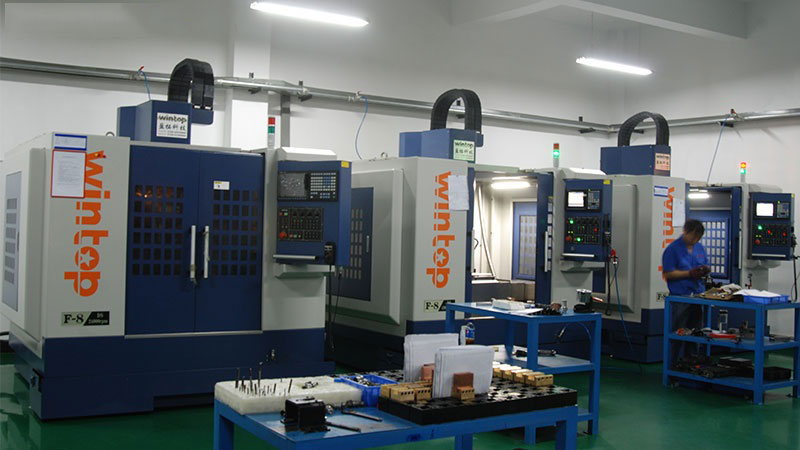
    The cornerstone of a successful import project is rigorous supplier verification. Moving beyond simple online directories or trade show contacts is essential. In 2026, professional buying means conducting deep due diligence. Start by verifying business licenses and export credentials. Then, move to technical verification: request detailed case studies of past projects similar to your intended injection mold in complexity and material. Utilize video calls to conduct virtual factory tours, paying close attention to their equipment—such as CNC, EDM, and CMM machines—and workshop organization. Insist on speaking directly with their project engineers, not just sales staff, to assess their technical comprehension and problem-solving approach. This step filters out trading companies and identifies true manufacturing partners capable of handling your specific requirements.

    Once a potential partner is identified, mastering the technical and commercial quotation process is critical. A professional quote from a reputable China mold factory should be transparent and exhaustive. It must break down costs for mold design, materials (such as pre-hardened steel, stainless steel, or aluminum), cavity numbers, surface finish, and all ancillary components like sliders, lifters, and hot runner systems. Crucially, it should define the mold trial process, including the number of trial shots included and the protocol for design modifications. For your injection mold project, explicitly discuss and agree upon critical tolerances, part lifecycle expectations, and maintenance terms. Clarify all Incoterms for shipping and ensure the quote includes professional mold design analysis, often using Moldflow or similar software, to predict and prevent manufacturing defects before steel is cut.

    Effective quality control cannot be an afterthought; it must be engineered into the procurement timeline. Partnering with a custom plastic mold manufacturer requires a proactive QC strategy. Define and agree upon a Quality Inspection Plan before production begins. This plan should specify checkpoints: a First Article Inspection after initial mold trials, a Dimensional Report using CMM data, and a Pre-Shipment Inspection where finished parts are measured against approved samples and drawings. For high-volume or critical parts, consider engaging a local third-party inspection service in the manufacturer’s region to conduct these checks impartially. This provides an objective layer of oversight and ensures that the injection mold produces parts that meet your specifications consistently, preventing costly delays and rework after the mold has been shipped overseas.

    The journey does not end when the mold is shipped. Professional buying in 2026 encompasses the entire lifecycle of the tool. Secure all technical documentation upon completion, including final 3D drawings, 2D schematics, and a comprehensive mold maintenance manual. Establish clear post-sales support terms with your supplier. This includes warranty duration for workmanship and materials, response time for troubleshooting, and the process and cost for future mold modifications or repairs. A reliable partner will view this as a long-term relationship, offering support for production ramp-ups and guidance on optimal processing parameters for your chosen manufacturing facility. This end-to-end perspective transforms a transactional purchase into a valuable asset management strategy.

    In conclusion, professional procurement of a custom plastic injection mold from China in 2026 demands a shift from price-centric thinking to partnership-centric strategy. It is a meticulous process built on thorough supplier verification, crystal-clear technical communication, embedded quality control protocols, and lifecycle management. By applying these structured, actionable steps, overseas buyers can significantly mitigate risk, ensure project alignment, and build a productive relationship with a capable China mold factory. The goal is to secure not just a tool, but a foundation for manufacturing excellence, enabling you to bring high-quality plastic products to market with confidence and competitive advantage for years to come.

    Work With Us

    As a professional China mold manufacturer, we provide one-stop mold solution for overseas buyers.
    📞 Phone: +86-18605944639
    💬 WhatsApp: +8618605944639
    🌐 Website: bestmoldworks.com
    📧 Email: [email protected]
  • custom molded part: Reliable Manufacturers Guide 2026

    For overseas buyers and product developers, sourcing a custom molded part represents a critical step in bringing an idea to market. It balances innovation with practicality, design with manufacturability, and cost with quality. China remains the global epicenter for mold manufacturing and injection molding, offering unparalleled expertise and scalability. However, navigating this vast landscape to find a truly reliable partner can be daunting. This guide for 2026 cuts through the noise, providing a professional, actionable framework for identifying and collaborating with top-tier China mold factories to ensure your project’s success from prototype to production.

    The cornerstone of a successful import project is rigorous supplier verification. Moving beyond simple Alibaba listings is non-negotiable in the current market. Begin with a technical audit. A capable China mold factory should readily provide evidence of their engineering process: how they review a 3D file for moldability, suggest design for manufacturability (DFM) improvements, and plan the mold structure. Request detailed case studies of similar projects, focusing on part complexity and materials used. Crucially, verify business legitimacy through third-party platforms like Dun & Bradstreet or official Chinese business registration checks. In 2026, transparency is the first filter; a supplier unwilling to undergo this scrutiny is a risk not worth taking.

    Once a shortlist is established, deep-dive into technical communication and prototyping. The quotation phase is a litmus test. A professional supplier will provide a comprehensive breakdown, not just a single price. This should include mold base cost, cavity material grade, anticipated lifespan, and a clear per-part price for the subsequent injection mold production. Use this stage to evaluate their problem-solving approach. Present a specific challenge related to your custom molded part—be it a thin wall, a complex undercut, or a critical tolerance. Their proposed solution will reveal their engineering depth. Insist on a physical prototype, often from a 3D-printed or soft aluminum mold, before committing to the full hardened steel production tool. This step validates fit, form, and function, preventing costly modifications later.

    Procurement strategy must explicitly define quality control protocols from day one. Your purchase order and technical agreement must be meticulous. Specify every detail: steel brand and hardness (e.g., NAK80 or S136), mold finish requirements (SPI standards), part material grade (including color codes), and critical-to-function dimensions. Mandate a First Article Inspection (FAI) report with CMM data for key features. For ongoing production, define the sampling frequency and the use of Statistical Process Control (SPC) charts to monitor consistency. Consider engaging a local third-party quality inspection service for pre-shipment audits, especially for initial production runs. This layered QC approach shifts the relationship from one of assumed trust to verified confidence, protecting your investment in the custom molded part.

    Managing the logistics, intellectual property, and long-term partnership completes the framework. Understand Incoterms thoroughly; FOB Shenzhen is common, but you must account for shipping, insurance, and import duties. For IP protection, a well-drafted Non-Disclosure Agreement (NDA) and Mold Ownership Agreement are essential. The latter should state unequivocally that you own the physical mold and all design rights, often stored at the factory but with guaranteed access. View this not as a single transaction but as a partnership. A reliable manufacturer becomes an extension of your team, capable of supporting design iterations, material changes, and production scaling. Regular communication and planned factory visits, even virtual ones, solidify this relationship and ensure alignment for future projects.

    In conclusion, importing a high-quality custom molded part from China in 2026 is a systematic process of due diligence and clear communication. It begins with forensic supplier verification, progresses through collaborative prototyping and ironclad quality control agreements, and matures into a managed, protected partnership. By focusing on technical capability over just price, and instituting transparent verification at every stage, overseas buyers can mitigate risk and unlock the immense value the Chinese manufacturing sector offers. The goal is not merely to purchase a mold but to secure a reliable manufacturing foundation for your product’s success. Let this guide serve as your blueprint for building that essential partnership.

    Work With Us

    As a professional China mold manufacturer, we provide one-stop mold solution for overseas buyers.
    📞 Phone: +86-18605944639
    💬 WhatsApp: +8618605944639
    🌐 Website: bestmoldworks.com
    📧 Email: [email protected]
  • Custom molds for chocolate: Professional Buying Guide 2026

    For chocolatiers, confectionery brands, and food entrepreneurs worldwide, the ability to create unique, branded, and intricate chocolate products is a key competitive edge. This capability hinges on one critical component: the precision of your custom molds for chocolate. As the global center for manufacturing, China offers unparalleled expertise, advanced technology, and cost-effective solutions in this niche. However, navigating the procurement landscape from overseas presents distinct challenges. This professional buying guide for 2026 is designed to cut through the noise, providing you with actionable, real-world strategies to successfully partner with a reputable China mold factory and secure high-quality tooling that transforms your creative vision into consistent, market-ready products.

    The foundation of a successful import project lies in meticulous supplier verification. The term “mold manufacturer” in China encompasses a vast spectrum, from rudimentary workshops to highly sophisticated facilities with food-grade certifications. Your first actionable step is to move beyond basic Alibaba listings. Prioritize suppliers who explicitly showcase experience with food-grade materials, specifically polycarbonate (PC) or food-safe ABS for injection mold projects. Demand evidence. This means requesting detailed case studies, videos of their production floor, and, crucially, valid certification documents such as ISO 9001 for quality management and, ideally, FSSC 22000 or ISO 22000 which are specific to food safety systems. A professional China mold factory will readily provide this. Initiate video calls to conduct virtual factory tours; observing their cleanliness, machinery (look for precision CNC and EDM machines), and asking pointed questions about their experience with chocolate mold draft angles, venting, and temperature cycling will separate the serious contenders from the rest.

    Once a potential partner is identified, the procurement process must be governed by crystal-clear technical communication. The design phase is where most costly errors occur. Provide not just a 3D file, but a comprehensive technical specification package. This should include the exact material specification for the mold steel (e.g., food-grade stainless steel or hardened pre-polished steel), required surface finish (often a high-gloss polish for easy demolding), and critical tolerances. Explicitly discuss the type of injection mold process—whether it’s for simple shell molding or complex, multi-cavity, or silicone-lined molds for extreme detail. Clarify who is responsible for each stage: 3D file validation, mold flow analysis (crucial for ensuring even chocolate flow and avoiding air pockets), and prototype sampling. A reliable supplier will proactively engage in this technical dialogue, suggesting improvements for manufacturability and durability, rather than simply accepting an order without question.

    Implementing rigorous, staged quality control is non-negotiable. Do not wait until the final product is shipped to inspect. Insist on a Quality Control (QC) protocol integrated into the timeline and contract. This typically involves three key checkpoints. First, a pre-production inspection (PPI) to verify the raw mold steel and initial block materials. Second, and most critically, a First Article Inspection (FAI) when the initial mold samples are produced. At this stage, you should receive physical sample casts from the actual mold, shipped to you for hands-on evaluation. Test these samples with your actual chocolate: check for detail accuracy, demolding ease, weight consistency, and cleaning efficiency. The third checkpoint is a final random inspection (FRI) before shipment to ensure the finished molds meet the agreed specifications. Employing a trusted third-party QC service based in China for the FAI and FRI stages provides an objective, professional assessment and mitigates the risk of receiving substandard tooling.

    Understanding the total cost structure and managing logistics and intellectual property (IP) completes a professional procurement strategy. While unit price is a factor, evaluate the total cost of ownership. This includes mold cost, sampling fees, shipping, import duties, and potential maintenance. A slightly higher initial investment in a quality injection mold from a verified supplier often results in longer lifespan and lower cost-per-cast over time. For logistics, work with your supplier to determine optimal packaging—molds are heavy and precision tools requiring protective crating. Discuss Incoterms clearly, typically FOB, so you control the international freight with your own agent. Finally, formalize IP protection. A robust Non-Disclosure Agreement (NDA) and a product confidentiality agreement are essential before sharing designs. Ensure your contract stipulates that all design files and tooling are your exclusive property, and the factory cannot replicate or use your molds for other clients.

    Successfully importing custom molds for chocolate from China in 2026 is a structured process of verification, communication, and control. It transforms from a daunting task into a strategic advantage when approached with professional diligence. By meticulously verifying your China mold factory, mastering technical procurement dialogues, enforcing staged quality control, and securing your investment through clear contracts and IP protection, you build more than a supplier relationship—you establish a technical partnership. This partnership empowers you to innovate with confidence, knowing your foundational tooling is reliable, safe, and crafted to the highest standards, enabling your brand to deliver exceptional chocolate creations to your market year after year.

    Work With Us

    As a professional China mold manufacturer, we provide one-stop mold solution for overseas buyers.
    📞 Phone: +86-18605944639
    💬 WhatsApp: +8618605944639
    🌐 Website: bestmoldworks.com
    📧 Email: [email protected]
  • china mold factory: Expert Tips & Solutions 2026 | China Mold Factory

    For overseas buyers, importing molds from China represents a significant strategic advantage, offering unparalleled cost efficiency and manufacturing scalability. However, navigating the vast landscape of manufacturers to find a reliable partner can be daunting. The key to unlocking this value lies not just in finding a supplier, but in mastering the procurement process from verification to final quality assurance. This guide provides actionable, expert insights for 2026, designed to help you mitigate risks and build a successful, long-term partnership with a competent China mold factory.

    The cornerstone of a successful import project is thorough supplier verification. Moving beyond a simple website check or Alibaba storefront is imperative. Begin by verifying the supplier’s business license via official Chinese platforms and cross-referencing their factory address using satellite imagery tools. For a China mold factory, specific capabilities are crucial. Request detailed documentation of their expertise with your required materials (e.g., ABS, PP, POM, or engineering plastics) and mold types, such as multi-cavity, hot runner systems, or high-precision inserts. Insist on a video conference for a real-time virtual factory tour; a reputable supplier will readily showcase their CNC, EDM, and CMM inspection equipment. This step filters out trading companies masquerading as manufacturers and ensures your partner has the tangible assets and technical skill for your project.

    Once a potential partner is identified, the procurement phase demands precision in technical communication. Ambiguity here is the primary cause of cost overruns and delays. Your Request for Quotation (RFQ) package must be comprehensive. Beyond part drawings, include a detailed specification sheet covering mold steel grade (such as 718H, S136, or P20), surface finish requirements (SPI standards), expected cycle time, and lifetime volume. Clearly define tolerances and critical dimensions. Discuss and agree upon a stage-gate payment plan—a common and fair structure is 30-40% deposit, 40-50% after T1 sample approval, and the balance before shipping. This aligns incentives and provides leverage for quality compliance, ensuring both parties are protected throughout the manufacturing journey.

    Proactive quality control, integrated from the start, is non-negotiable. Do not treat QC as a final inspection step. Require your chosen China mold factory to provide Design for Manufacturability (DFM) feedback before cutting steel. During manufacturing, mandate milestone inspections. These typically include a steel material inspection report, photos or videos of the core/cavity after machining, and a full First Article Inspection (FAI) report from the T1 sample. For critical projects, engaging a local third-party quality inspection firm to conduct an Initial Production Check (IPC) during the trial run is a wise investment. They can verify dimensions, material conformity, and part performance on the press, providing an objective assessment before mass production or mold shipment. This layered approach prevents costly reworks and ensures the final injection mold meets your exact specifications.

    Finally, managing logistics and fostering the partnership are what transform a single transaction into a strategic asset. Understand the Incoterms; for molds, FOB is common, giving you control over shipping and insurance. Ensure the mold design includes proper lifting points and is packed in a secure, waterproof crate. Discuss and agree on warranty terms upfront—typically 12-24 months against manufacturing defects—and the process for handling maintenance or repair. Building a successful relationship extends beyond the first order. Treat your supplier as a collaborative engineering partner. Provide clear feedback, be reasonable with change requests, and ensure timely payments. This fosters goodwill, leading to better pricing, priority scheduling, and a more invested partner for future projects, solidifying your supply chain for the long term.

    Importing molds from China in 2026 requires a blend of diligent verification, precise communication, rigorous quality control, and strategic relationship management. By implementing these expert tips—from deeply vetting your injection mold supplier to integrating QC throughout the process—you significantly de-risk your procurement. The goal is to move beyond finding the lowest cost to identifying the highest value partner. A reliable China mold factory is not just a vendor but an extension of your production capability, essential for bringing your product to market competitively and at quality. With this structured approach, you are well-equipped to navigate the market and establish a profitable and enduring manufacturing partnership.

    Work With Us

    As a professional China mold manufacturer, we provide one-stop mold solution for overseas buyers.
    📞 Phone: +86-18605944639
    💬 WhatsApp: +8618605944639
    🌐 Website: bestmoldworks.com
    📧 Email: [email protected]
  • mold factory near me: Best Suppliers & Quality Control 2026

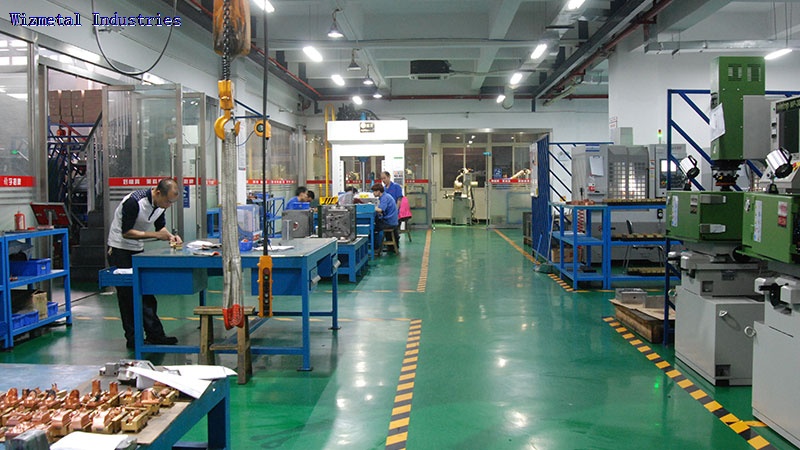
    For overseas buyers, the search for a reliable “mold factory near me” often leads to a global destination: China. The country’s manufacturing ecosystem offers unparalleled expertise in mold making, particularly for injection molds, at competitive costs. However, the geographical and cultural distance can introduce significant challenges in procurement, supplier verification, and quality control. This guide for 2026 cuts through the complexity, providing a strategic framework to not only find but also successfully partner with top-tier Chinese mold manufacturers, ensuring your project’s success from the first drawing to final production.

    The core challenge for international procurement is not finding a factory, but finding the *right* factory. The initial search for a “China mold factory” can yield thousands of results, making verification paramount. Begin by moving beyond basic B2B websites. While platforms like Alibaba are starting points, prioritize suppliers with detailed, verifiable credentials. Look for official business licenses (verified by third-party services), extensive photo and video evidence of their workshop, machinery (like CNC, EDM, and CMM machines), and past projects. A professional China mold factory will have a clear, functional website and technical staff capable of communicating in engineering terms, not just sales language. Request detailed case studies that match your mold’s complexity in material, tolerance, and lifecycle expectations.

    Once a shortlist is established, rigorous supplier verification must transition from digital to direct engagement. A video call factory tour is non-negotiable in 2026. Insist on a live, unscheduled walkthrough of the production floor. Observe the housekeeping, machine maintenance, and operator discipline. During this tour, discuss their project management flow: who will be your direct engineering contact? How are design for manufacturability (DFM) feedback and mold flow analysis handled? Furthermore, investigate their supply chain for mold steels (like ASSAB, Daido, or local quality equivalents) and standard components (like HASCO or DME). A transparent supplier will readily share this information and provide references from existing overseas clients. Speaking directly to a past client about their experience with communication, problem-solving, and on-time delivery is invaluable.

    The heart of a successful partnership lies in a meticulously controlled pre-production phase. Before any steel is cut, comprehensive DFM analysis must be agreed upon. Your chosen China mold factory should provide detailed feedback on part design, suggesting modifications to improve moldability, reduce cycle time, and enhance part strength. Simultaneously, insist on a formalized, step-by-step approval process. This includes approving the final 3D mold design, the steel and component material list, and the detailed manufacturing timeline with milestones. Clear sign-offs at these stages prevent costly and time-consuming changes later. For injection molds, a mold flow analysis report should be standard, predicting filling patterns, potential weld lines, air traps, and cooling efficiency to preemptively solve production issues.

    Proactive, evidence-based quality control throughout the manufacturing process is your strongest defense against defects. Do not rely solely on a final inspection. Implement a structured In-Process Quality Control (IPQC) protocol. Key inspection points include: first steel cutting (material certification check), cavity and core machining (3D scan report against CAD data), mold trial (T1 sample evaluation with a full inspection report, including CMM data and material certification for the trial shots), and pre-shipment audit. For critical dimensions, require charted data. Many reputable factories now offer live monitoring or daily photo/video updates from the shop floor. Consider engaging a local third-party inspection agency for the critical T1 sample review and pre-shipment audit. Their objective report provides a final layer of assurance before the mold is shipped to your facility.

    Final validation and establishing a framework for the ongoing partnership solidify the investment. The first article inspection (FAI) upon receiving the mold at your location, or more commonly now, at the production facility in China where your parts will be mass-produced, is crucial. Run production cycles under standard parameters and conduct a full dimensional and functional test on the parts. All issues must be documented in a punch list agreed upon by both parties, with clear responsibility for adjustments. Furthermore, discuss post-sales support. What is their policy and response time for mold maintenance, repair, or future modifications? A reliable partner views the mold delivery not as the end, but as the beginning of a lifecycle service relationship.

    In conclusion, finding a “mold factory near me” as an overseas buyer in 2026 is about leveraging China’s manufacturing strengths while implementing a disciplined, transparent, and verification-heavy procurement strategy. The best suppliers are those that welcome your scrutiny through live audits, engage in technical collaboration during DFM, and provide documented evidence of quality at every stage. By shifting your focus from merely finding a low-cost producer to partnering with a verified, communicative, and process-oriented China mold factory, you transform geographical distance from a risk into a strategic advantage. This approach ensures that your injection mold project meets not only cost targets but, more importantly, the precise quality, durability, and performance standards required for your market success.

    Work With Us

    As a professional China mold manufacturer, we provide one-stop mold solution for overseas buyers.
    📞 Phone: +86-18605944639
    💬 WhatsApp: +8618605944639
    🌐 Website: bestmoldworks.com
    📧 Email: [email protected]
  • custom injection molding cost: Complete Procurement Gu 2026

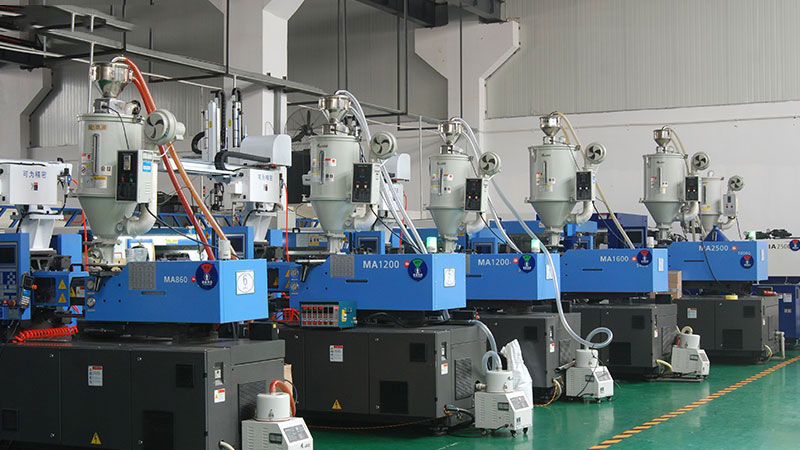
    For overseas buyers, navigating the landscape of custom injection molding in China presents a significant opportunity for cost efficiency and manufacturing scalability. However, the journey from concept to finished part is fraught with complexities that directly impact your bottom line and project success. Understanding the true drivers of custom injection molding cost is not just about getting a quote; it’s about mastering a procurement process that balances price, quality, and reliability. This 2026 guide is designed to cut through the noise and provide you with a professional, actionable framework for partnering with Chinese mold factories. We will move beyond simple price comparisons and delve into the strategic steps that ensure your investment in an injection mold translates into long-term value and consistent part quality.

    The foundational step in managing your custom injection molding cost begins long before you request a quotation. Comprehensive design for manufacturability (DFM) analysis is non-negotiable. A design that looks perfect in CAD software may be prohibitively expensive or impossible to mold efficiently. Engage with your potential China mold factory early in the design phase. A reputable supplier will provide a detailed DFM report, highlighting issues like wall thickness inconsistencies, undercuts, lack of draft angles, or problematic gate locations. Addressing these factors upfront can dramatically reduce mold complexity, cycle time, and material waste. This collaborative approach prevents costly mold reworks and production delays later, ensuring the initial injection mold is built right the first time. Investing in this preparatory stage is the most effective way to control the overall project cost.

    With an optimized design, the next critical phase is thorough supplier verification. The variance in quotes for the same injection mold can be staggering, and the lowest price often carries hidden risks. Your procurement strategy must include a rigorous vetting process. Start by verifying business licenses, export history, and specialized certifications relevant to your industry. Utilize video calls to conduct virtual factory tours, paying close attention to their machine park, cleanliness, and quality control stations. Request and contact references from their existing overseas clients. Crucially, evaluate their engineering communication skills and project management structure. A supplier with transparent communication and a dedicated project manager will prevent misunderstandings that lead to cost overruns. In 2026, leveraging professional third-party inspection services for an initial audit can be a wise investment to validate a factory’s capabilities before committing.

    The quotation you receive is a key document that requires meticulous dissection. A professional quote for your custom injection molding cost should be highly detailed, breaking down expenses into clear categories. Scrutinize the mold cost: is it a single-cavity or multi-cavity mold? What grade of steel is specified, and what is its expected lifespan? Understand the surface finish requirements and any special treatments like heat treatment or hardening. Then, analyze the piece-part price. This should include material type and grade, cycle time estimation, labor, overhead, and a reasonable profit margin. Be wary of quotes that are suspiciously low or overly simplistic. Always clarify what is included: are sample molds, shipping, or future mold maintenance covered? Use the quotation as a tool to compare suppliers on a like-for-like basis and to gauge their professionalism and transparency.

    Effective quality control is not an expense; it is a cost-saving mechanism integral to the procurement process. Agreeing on clear, measurable quality standards upfront with your China mold factory is essential. This includes defining critical dimensions, material specifications, cosmetic standards, and performance testing protocols. The First Article Inspection (FAI) is a critical milestone. Do not approve mass production until a comprehensive FAI report, with actual measurements against the CAD drawings, is delivered and verified. For ongoing production, establish a schedule for in-process inspections and final random inspections before shipment. Many buyers employ third-party quality control agencies to conduct these checks independently. This layered QC approach prevents the massive cost of receiving a container of non-conforming parts, which includes not only the part cost but also logistics, downtime, and reputational damage.

    Finally, adopt a total cost of ownership perspective. The cheapest mold can become the most expensive asset if it fails prematurely or produces inconsistent parts. Consider the long-term relationship and the supplier’s willingness to support you. A reliable partner will store your injection mold properly, perform maintenance, and offer favorable terms for future production runs or modifications. Discuss their policy on mold repair and maintenance. Furthermore, in the evolving landscape of 2026, consider environmental and supply chain factors. Suppliers investing in energy-efficient machines or sustainable practices may offer greater stability and compliance with your corporate standards, mitigating future regulatory risks. Your goal is to build a partnership that delivers consistent value, ensuring that the custom injection molding cost calculated at the project’s start remains accurate and justified throughout the product lifecycle.

    Successfully importing molds from China in 2026 demands a shift from a transactional mindset to a strategic partnership approach. By prioritizing design collaboration, executing diligent supplier verification, decoding quotations, implementing robust quality control, and focusing on total cost of ownership, you can effectively manage and optimize your custom injection molding cost. The Chinese manufacturing sector continues to advance, with leading mold factories offering world-class technology and expertise. Your due diligence is the key to unlocking this value. A well-executed procurement process results in more than just an affordable injection mold; it yields a reliable manufacturing solution that supports your product’s quality, timeline, and market success for years to come.

    Work With Us

    As a professional China mold manufacturer, we provide one-stop mold solution for overseas buyers.
    📞 Phone: +86-18605944639
    💬 WhatsApp: +8618605944639
    🌐 Website: bestmoldworks.com
    📧 Email: [email protected]

  • Custom molds for plastic: Professional Buying Guide 2026

    Importing custom molds for plastic from China remains a strategic move for businesses worldwide seeking competitive advantage, innovation, and cost efficiency. However, the landscape is evolving. The China mold factory of 2026 is more technologically advanced yet also more discerning in its partnerships. For overseas buyers, success hinges on a refined, professional approach that moves beyond simple price comparison to building collaborative, value-driven relationships. This guide provides actionable, up-to-date strategies to navigate the procurement process, mitigate risks, and secure high-quality injection molds that meet your exact specifications and production timelines.

    The cornerstone of a successful import project is rigorous supplier verification. In 2026, a factory’s digital footprint and technical capability are as critical as its physical workshop. Begin your search with a deep dive into potential partners’ online presence. A professional China mold factory will showcase detailed case studies, technical blogs, and video walkthroughs of their facilities and machinery. Look for evidence of experience with your specific industry, whether automotive, medical, consumer electronics, or packaging. However, digital verification is only the first step. Initiate video calls to conduct virtual factory tours; request to see live shop floors, quality control labs, and the specific CNC, EDM, or milling machines relevant to your project. Always ask for and independently contact at least three past international clients. Inquire not just about mold quality, but about communication efficiency, problem-solving attitude, and post-sales support. This dual-layer verification separates market-leading manufacturers from mere trading companies.

    Once a qualified supplier is shortlisted, mastering the technical and commercial discussion is paramount. Your request for quotation must be exceptionally clear. Beyond part drawings, provide a comprehensive technical data sheet including the plastic material type, expected annual volumes, cosmetic requirements (e.g., SPI finish standards), tolerance specifications, and desired mold life. Explicitly discuss the mold steel grade—such as pre-hardened 718, S136 stainless, or H13 for high-temperature materials—as this is a primary cost and quality driver. In your negotiations, focus on total cost of ownership, not just the initial tooling price. A reputable injection mold partner will transparently break down costs for design, materials, machining, and testing. Discuss payment terms that balance risk; a common and fair structure is 30-50% deposit, 40-50% after first article approval, and a 10% retention after mass production trial. Clearly define intellectual property ownership in the purchase contract, ensuring all your designs and tooling remain your exclusive property.

    Proactive quality control, integrated from the very beginning, is non-negotiable. The old model of “wait and inspect upon completion” is obsolete and risky. Insist on a staged inspection and communication plan. Key milestones should include a formal Design for Manufacturability review before steel is cut, where the factory’s mold flow analysis is presented and debated. The next critical stage is the First Article Inspection. Do not accept simple photos. Require a detailed dimensional report from a coordinate measuring machine, high-resolution images of the mold cavities, and video of the trial shots from multiple angles. For high-value or complex projects, engaging a local third-party quality inspection firm for an intermediate and pre-shipment audit is a wise investment. They can verify steel hardness, cavity dimensions, and the functionality of sliders, lifters, and cooling circuits. This continuous oversight prevents costly and time-consuming reworks after the mold has shipped to your country.

    Finally, view the procurement of custom molds for plastic as the start of a long-term partnership, not a transactional purchase. A reliable supplier becomes an extension of your engineering team. Discuss their capacity for mold maintenance, repair, and future modifications. Understand their process for handling design changes and their lead time for spare components like ejector pins or heater cartridges. Establish clear protocols for communication, including primary contacts for technical and commercial issues, and preferred tools for updates. In 2026, leading factories utilize project management platforms that provide you with real-time access to progress reports, inspection documents, and Gantt charts. This transparency builds trust and ensures alignment throughout the typically 8-12 week development cycle. By fostering this collaborative relationship, you secure not just a tool, but a reliable manufacturing resource for years to come.

    Successfully importing a high-precision injection mold from China in 2026 demands a blend of diligent verification, technical clarity, embedded quality control, and partnership thinking. The market rewards informed buyers who engage with suppliers as strategic allies. By following this professional guide, you transform the complexity of overseas procurement into a structured, manageable, and highly rewarding process. The result is more than a cost-effective mold; it is a robust foundation for your product’s quality, market success, and competitive longevity. Begin your next project with this framework, and you will be well-positioned to leverage the unparalleled expertise and capability of China’s mold-making industry.

    Work With Us

    As a professional China mold manufacturer, we provide one-stop mold solution for overseas buyers.
    📞 Phone: +86-18605944639
    💬 WhatsApp: +8618605944639
    🌐 Website: bestmoldworks.com
    📧 Email: [email protected]

  • how to make custom mold: Complete Procurement Guide 2026

    For overseas buyers and product developers, mastering the process of how to make custom mold is a critical step in bringing innovative plastic, silicone, or metal components to market. China remains the global epicenter for mold manufacturing, offering unparalleled expertise, advanced technological capabilities, and competitive pricing. However, a successful procurement journey requires more than just finding the lowest quote. This complete procurement guide for 2026 is designed to provide you with a professional, actionable roadmap to navigate the complexities of importing high-quality molds from China, helping you mitigate risks and secure a reliable supply chain partner.

    The foundation of a successful custom mold project lies in meticulous preparation before you even contact a potential China mold factory. Begin by developing comprehensive product design files, ideally in a universal format like STEP or IGES, which include all critical dimensions, tolerances, and material specifications. Simultaneously, create a detailed Request for Quotation document. This RFQ should go beyond part drawings to specify the expected annual production volume, the type of plastic resin to be used, the required mold life, surface finish requirements, and delivery timeline. Clear documentation at this stage prevents costly misunderstandings later and allows suppliers to provide accurate and comparable quotes. This preparatory work signals professionalism to manufacturers and sets the stage for a transparent partnership.

    With your specifications ready, the next crucial phase is supplier verification. The landscape of Chinese mold makers is vast, ranging from small workshops to highly automated, internationally certified enterprises. Effective verification in 2024 involves a multi-layered approach. Start by scrutinizing online presence and certifications; a reputable China mold factory will typically have a professional website showcasing past projects, client testimonials, and details about their machinery and quality control labs. Look for relevant certifications such as ISO 9001. However, digital verification must be supplemented with direct engagement. Schedule video calls to conduct virtual factory tours, allowing you to assess their workshop organization, equipment, and engineering team’s expertise. Request and contact references from past overseas clients, specifically inquiring about communication, problem-solving, and post-sales support. This thorough vetting process is your primary defense against unreliable partners.

    Once you have shortlisted qualified suppliers, the focus shifts to technical and commercial negotiation. This stage is where you finalize the injection mold design, a collaborative process between your team and the supplier’s engineers. A competent factory will provide a formal mold design review, including flow analysis to predict plastic filling and identify potential defects. Do not skip this step. Regarding the commercial agreement, move beyond just negotiating the unit price. Clearly define payment terms, with a common structure being a percentage upon order, another upon initial sample approval, and the balance before shipment. Crucially, the contract must include a detailed quality control protocol, specifying which inspection stages will occur and what metrics will be used. Agree on a process for handling design changes, as modifications after machining begins will impact cost and timeline. A professional contract protects both parties and ensures alignment.

    Active quality control throughout the manufacturing process is non-negotiable for overseas buyers. Relying solely on a final pre-shipment inspection is a significant risk. Instead, implement a staged inspection plan. Key milestones include a First Article Inspection after the mold is trial-tested. This involves evaluating sample parts from the mold against your master sample or CAD data, checking dimensions, appearance, and function. Many buyers engage third-party quality inspection services in China to conduct these checks objectively. Furthermore, insist on receiving regular progress updates with photos or videos, particularly after critical steps like mold base machining, cavity polishing, and assembly. This proactive oversight allows you to identify and address issues early, preventing costly rework and delays. Effective procurement today means managing the process, not just placing an order.

    The final phase encompasses logistics, payment, and establishing a foundation for future production. Prior to shipment, ensure all final documentation is in order, including a detailed commercial invoice, packing list, and certificate of origin. For an injection mold, proper packaging is vital to prevent rust and damage during transit. Discuss with your supplier the best shipping terms, considering factors like cost, speed, and insurance. Incoterms 2024 rules, such as FOB or EXW, should be clearly understood and agreed upon. Upon receipt of the mold, conduct an initial inspection at your facility or your chosen production partner’s site. A reliable supplier will offer a warranty period for workmanship and support during the mold commissioning at your production press. This successful conclusion to your first order establishes a trusted relationship for future projects and production runs.

    Successfully navigating how to make custom mold from China in 2026 demands a strategic blend of thorough preparation, diligent partner verification, and active project management. By treating the procurement process as a collaborative engineering partnership rather than a simple purchase, you unlock the true value of China’s manufacturing ecosystem. The goal is to secure not just a tool, but a long-term competitive advantage through a reliable, high-quality supply chain. With this complete guide as your framework, you are equipped to approach the market with confidence, make informed decisions, and ultimately procure a custom mold that meets your exact specifications, budget, and timeline, laying a solid foundation for your product’s success.

    Work With Us

    As a professional China mold manufacturer, we provide one-stop mold solution for overseas buyers.
    📞 Phone: +86-18605944639
    💬 WhatsApp: +8618605944639
    🌐 Website: bestmoldworks.com
    📧 Email: [email protected]

  • Custom silicone Mold manufacturer: Professional Buying 2026

    For overseas businesses, sourcing custom silicone molds from China remains a strategic move to balance superior quality with competitive cost. However, the landscape of procurement is evolving. The professional buyer of 2026 must navigate with greater sophistication, moving beyond simple price comparisons to build resilient, quality-driven supply chains. This guide provides actionable, forward-looking strategies to help you identify, vet, and partner with a reliable custom silicone mold manufacturer in China, ensuring your procurement process is efficient, secure, and built for long-term success.

    The foundation of any successful import project is thorough supplier verification. In 2026, this means looking deeper than a supplier’s website or Alibaba storefront. Begin by verifying the China mold factory’s business license via official Chinese platforms. Request a virtual factory tour; a reputable supplier will readily conduct a live video walkthrough, showcasing their workshop, machinery, and ongoing projects. Crucially, ask for and contact past overseas clients, specifically those who have ordered similar custom silicone products. Inquire about their experience with communication, problem-solving, and post-sales support. This due diligence separates true manufacturing partners from mere trading intermediaries, mitigating your primary risk.

    Once a potential partner is identified, precision in technical communication becomes paramount. The most common cause of mold defects stems from unclear specifications. Provide your chosen custom silicone mold manufacturer with a comprehensive data package. This should include detailed 2D drawings with all critical dimensions, tolerances, and material grades explicitly stated, alongside 3D CAD files in a universal format like STEP or IGS. For silicone parts, clearly specify the intended silicone material type, Shore hardness, color requirements, and any certifications needed, such as FDA or LFGB. Discuss the expected production volume, as this directly influences the mold’s construction; a mold for 10,000 parts is built differently from one for 100,000. This clarity prevents costly misunderstandings and revisions.

    Implementing a staged quality control protocol is non-negotiable for professional buying in 2026. Do not wait until the final shipment to inspect quality. Insist on critical checkpoints. First, after the mold design is finalized, require design review approval before steel is cut. Second, during mold manufacturing, request photos or videos of key stages, such as the finished mold core and cavity. The most critical stage is the First Article Inspection. Require the supplier to produce a small batch of samples using the production-grade silicone material and ship them to you for rigorous dimensional, functional, and aesthetic testing. This step allows for final adjustments before mass production begins. For the production run, consider engaging a local third-party quality inspection firm to perform an on-site Pre-Shipment Inspection, verifying quantity, workmanship, and random-sample conformance.

    Understanding the total cost and timeline structure is vital for project planning. While the unit price for the injection mold or compression mold is a key component, professional procurement looks at the entire cost picture. Obtain a breakdown that includes mold cost, sample cost, material cost per unit, packaging, and logistics. Be clear on payment terms; a common and balanced structure is 50% deposit to commence mold making, 40% upon sample approval, and 10% before shipment. Regarding lead time, secure a detailed schedule from mold design to sample delivery. Build in buffer time for sample testing and potential minor revisions. A transparent supplier will provide regular progress updates without being prompted, a key indicator of professional project management.

    The final step is to plan for the long-term partnership. A reliable China mold factory is an asset to your product lifecycle. Discuss post-sales support upfront. What is their policy on mold modifications if your product design iterates? Who owns the mold intellectual property and the physical tooling? These terms must be documented in a clear, enforceable contract. Establish protocols for mold storage and maintenance at their facility if you choose to leave it in China for future production runs. Building this collaborative, transparent relationship transforms your supplier from a simple vendor into a strategic extension of your manufacturing capability.

    In conclusion, professional buying for custom silicone molds in 2026 is defined by strategic partnership, not transactional purchasing. By rigorously verifying suppliers, communicating with technical precision, enforcing staged quality control, understanding total costs, and planning for long-term collaboration, you significantly de-risk your import process. The goal is to move beyond finding a supplier to cultivating a relationship with a competent custom silicone mold manufacturer who understands your quality standards and business objectives. This disciplined approach ensures that your venture into Chinese manufacturing yields not only cost advantages but also consistent quality and reliability, securing your competitive edge in the global market.

    Work With Us

    As a professional China mold manufacturer, we provide one-stop mold solution for overseas buyers.
    📞 Phone: +86-18605944639
    💬 WhatsApp: +8618605944639
    🌐 Website: bestmoldworks.com
    📧 Email: [email protected]

  • Silicone mold customization: Ultimate Guide for Buyers 2026

    For overseas businesses, from boutique artisans to industrial manufacturers, sourcing custom silicone molds presents a significant opportunity for innovation and cost efficiency. China remains the global epicenter for mold manufacturing, offering unparalleled expertise and scalability. However, navigating this complex landscape requires more than just finding a low quote; it demands a strategic approach to procurement, supplier verification, and quality assurance. This ultimate guide for 2026 is designed to equip you with actionable, professional insights to streamline your process, mitigate risks, and secure a successful partnership with a reputable China mold factory.

    Understanding the Silicone Mold Manufacturing Ecosystem

    Before initiating contact with suppliers, clarify your project’s technical and commercial parameters. Silicone molds are distinct from hard tooling like steel or aluminum injection molds; they are typically used for lower-volume production, prototyping, or casting materials like resin, concrete, or low-temperature metals. Precise specifications are your first line of defense against misunderstandings. Develop a comprehensive RFQ (Request for Quotation) package that includes: 3D CAD files (STEP or IGS format), 2D drawings with critical tolerances, the intended casting material, required number of castings from the mold (lifespan), hardness requirement (Shore A scale), and any special needs like high-temperature resistance or food-grade certification. This clarity not only yields accurate comparisons but also signals professionalism to potential partners.

    The Critical Process of Supplier Verification and Selection

    The cornerstone of successful silicone mold customization lies in rigorous supplier verification. Moving beyond Alibaba listings is essential for 2026. Start by shortlisting manufacturers that explicitly showcase expertise in silicone and soft tooling, not just injection mold making. Scrutinize their website portfolio for projects analogous to yours. The next step is proactive verification: request a virtual factory tour to assess their workshop, equipment, and cleanliness standards. Ask for and contact at least two previous international client references. Inquire about their experience with export documentation, Incoterms, and logistics. Utilize professional platforms like Global Sources or conduct video conferences to evaluate their engineering team’s communication skills. A reliable China mold factory will be transparent, ask detailed questions about your project, and provide a structured breakdown of costs and timelines, not just a bottom-line price.

    Navigating Design for Manufacturability and Prototyping

    Engaging your chosen supplier in a Design for Manufacturability (DFM) review is a non-negotiable step. An experienced Chinese mold maker can identify potential issues in your design that may lead to premature mold failure, difficulty in demolding, or air traps. This collaborative phase often saves substantial cost and time. For complex projects, insist on a prototype mold or a first article sample before proceeding to full production tooling. This allows you to test the mold with your actual casting material, verify dimensions, and assess the final product quality. The cost of a prototype is minor compared to the expense of revising or scrapping a full production batch of faulty molds. Clear agreements on who bears the cost for design changes post-DFM are crucial at this stage.

    Implementing Robust Quality Control and Logistics Protocols

    Quality control cannot be an afterthought; it must be integrated into your contract. Define the Quality Control (QC) plan explicitly. For silicone mold customization, key checks include: dimensional accuracy using CMM or 3D scanning on the master pattern, verification of Shore hardness, visual inspection for bubbles or imperfections, and a trial run to produce sample castings. Specify that all inspection reports (with photos and data) must be provided before shipment. For high-value orders, consider hiring a third-party inspection agency in China for a pre-shipment inspection. Simultaneously, clarify logistics responsibilities. Understand the Incoterms (e.g., FOB, EXW, DAP) thoroughly. Ensure your supplier has experience in preparing export palletization, waterproof packaging, and all necessary commercial documents (commercial invoice, packing list, certificate of origin) to ensure smooth customs clearance in your country.

    Building a Partnership for Long-Term Success

    View your initial project not as a one-off transaction but as the foundation of a strategic partnership. A trustworthy supplier becomes an extension of your R&D and production team. Effective communication is vital; establish primary contacts for technical and commercial discussions. Use shared project management tools or regular update meetings to track progress. Be respectful of time zones but firm on deadlines. Discuss future needs and scalability. A successful collaboration on silicone molds can lead to trusted partnerships for other tooling needs, including injection molds for higher-volume plastic components. Paying invoices promptly and providing constructive feedback fosters goodwill and often results in prioritized service and support for future projects.

    Conclusion

    Importing custom silicone molds from China in 2026 offers a compelling competitive advantage, but it demands a methodical and informed approach. By investing time in precise specification, exhaustive supplier verification, collaborative DFM, stringent quality control, and clear logistics planning, you transform a complex international procurement challenge into a streamlined and reliable process. The goal is to move beyond being just a buyer to becoming a valued partner to a proficient China mold factory. By applying the actionable strategies outlined in this guide, you are positioned to secure not only a high-quality product but also a supply chain asset that will support your innovation and growth for years to come.

    Work With Us

    As a professional China mold manufacturer, we provide one-stop mold solution for overseas buyers.
    📞 Phone: +86-18605944639
    💬 WhatsApp: +8618605944639
    🌐 Website: bestmoldworks.com
    📧 Email: [email protected]